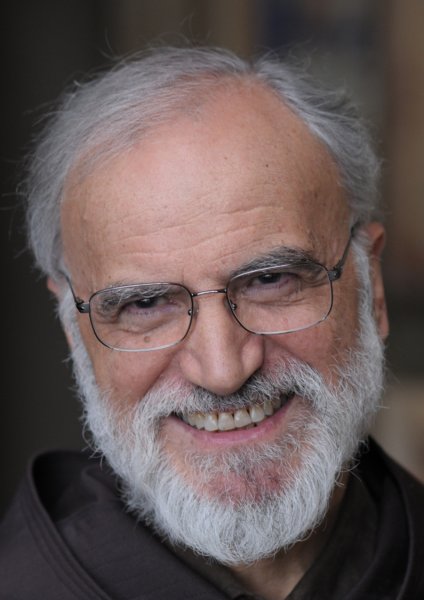
"Amen, amen, I say to you, unless a grain of wheat falls to the ground and dies, it remains just a grain of wheat; but if it dies, it produces much fruit. " (John 12)
Photo copyright : John R Portelli

Friday, 3 May 2013

“I give to you a peace not as the world gives it to you.”


Readings for May 5, 2013

Sixth Sunday of Easter
Is-Sitt Hadd  ta’ l-Ghid                                                                                                                                      


Messalin C  217


Reading 1 -  Acts 15:1-2, 22-29
Some who had come down from Judea were instructing the brothers, “Unless you are circumcised according to the Mosaic practice, you cannot be saved.” Because there arose no little dissension and debate by Paul and Barnabas with them, it was decided that Paul, Barnabas, and some of the others should go up to Jerusalem to the apostles and elders about this question. The apostles and elders, in agreement with the whole church, decided to choose representatives and to send them to Antioch with Paul and Barnabas. The ones chosen were Judas, who was called Barsabbas, and Silas, leaders among the brothers. This is the letter delivered by them: “The apostles and the elders, your brothers, to the brothers in Antioch, Syria, and Cilicia of Gentile origin: greetings. Since we have heard that some of our number who went out without any mandate from us have upset you with their teachings and disturbed your peace of mind, we have with one accord decided to choose representatives and to send them to you along with our beloved Barnabas and Paul, who have dedicated their lives to the name of our Lord Jesus Christ. So we are sending Judas and Silas who will also convey this same message by word of mouth: ‘It is the decision of the Holy Spirit and of us not to place on you any burden beyond these necessities, namely, to abstain from meat sacrificed to idols, from blood, from meats of strangled animals, and from unlawful marriage. If you keep free of these, you will be doing what is right. Farewell.’” This is the Word of The  Lord.

L-Ewwel Qari  -  Atti ta' l-Appostli  15, 1-2, 22-29
F'dak iż-żmien, niżlu xi wħud mill-Lhudija u bdew jgħallmu lill-aħwa:  "Jekk ma toqogħdux għaċ-ċirkonċiżjoni skont  id-drawwa li ġejja minn Mose', ma tistgħux issalvaw." Pawlu u Barnaba qamu kontra tagħhom u ħaduha magħhom  bis-sħiħ;  għalhekk qatgħuha li Pawlu u Barnaba u xi wħud  oħra minnhom jitilgħu Ġerusalemm ikellmu lill-appostli u  l-presbiteri fuq din il-kwistjoni. Imbagħad l-appostli u l-presbiteri, flimkien mal-Knijsa  kollha, dehrilhom jagħżlu lil xi wħud minnhom u  jibagħtuhom Antjokja ma' Pawlu u Barnaba.dawn kienu  Ġuda, jgħidulu Barnaba, u Sila, li kienu minn ta' quddiem  fost l-aħwa. U bagħtu magħhom din l-ittra:  "L-appostli u l-presbiteri,  ħutkom, lill-aħwa ta' Antjokja, tas-Sirja u taċ-Ċiliċja,  li  ġew mill-ġnus:   is-sliem għalikom!  Aħna smajna li xi wħud min-nies tagħna, mingħajr ebda ordni tagħna, ġew  ħawdulkom u qallbulkom moħħkom bi kliemhom.  Għalhekk aħna qbilna lkoll bejnietna u dehrilna li kellna nagħżlu lil xi wħud u nibagħtuhom għandkom flimkien mal-għeżież tagħna Barnaba u Pawlu, nies li ddedikaw ħajjithom għall-isem ta' Sidna Ġesu' Kristu.Għalhekk bgħatnielkom lil Ġuda u 'l Sila, biex jgħidulkom bi kliemhom l-istess ħaġa.  Għax lill-Ispirtu s-Santu u lilna dehrilna li aħna ma għandna ngħabbukom b'ebda piż ieħor aktar minn dak li hu meħtieġ, jiġifieri, li titbiegħdu mill-ikel issiagirifikat lill-idoli, mid-demm, mill-laħam tal-annimali fgati u miż-żwieġ ħażin. Tagħmlu tajjeb jekk tħarsu rwieħkom minn dawn. Saħħa!"   Il-Kelma tal-Mulej.
 .................................
Responsorial Psalm - Psalm 67:2-3, 5, 6, 8
R. (4) O God, let all the nations praise you!   or:  R. Alleluia.

May God have pity on us and bless us;
may he let his face shine upon us.
So may your way be known upon earth;
among all nations, your salvation.                                     R/

May the nations be glad and exult
because you rule the peoples in equity;
the nations on the earth you guide.                 R/

May the peoples praise you, O God;
may all the peoples praise you!
May God bless us,
and may all the ends of the earth fear him!                   
R/

 Salm Responsorjali   -   Salm 66 (67)
R/   Fost il-ġnus Alla wera s-salvazzjoni tiegħu.
      (jew)  Halleluja, Hallelujah, Hallelujah.

Iħenn għalina Alla, u jberikna;
idawwar għal fuqna d-dija ta' wiċċu!
Biex jingħarfu fuq l-art triqatek,
fost il-ġnus kollha s-salvazzjoni tiegħek.          R/

Jithennew il-ġnus u jgħannu bil-ferħ,
għax trieġi  l-popli bis-sewwa,
u l-ġnus fuq l-art inti tmexxihom.                     R/

Ifaħħruk il-popli, o Alla,
ifaħħruk il-popli kollha.
Iberikna Alla, u tibża' minnu
l-art kollha minn  tarf għall-ieħor.                      R/
 .....................................
The angel took me in spirit to a great, high mountain  and showed me the holy city Jerusalem coming down out of heaven from God. It gleamed with the splendor of God. Its radiance was like that of a precious stone, like jasper, clear as crystal. It had a massive, high wall, with twelve gates where twelve angels were stationed and on which names were inscribed, the names of the twelve tribes of the Israelites. There were three gates facing east, three north, three south, and three west. The wall of the city had twelve courses of stones as its foundation, on which were inscribed the twelve names of the twelve apostles of the Lamb. I saw no temple in the city for its temple is the Lord God almighty and the Lamb. The city had no need of sun or moon to shine on it, for the glory of God gave it light, and its lamp was the Lamb. This is the Word of The  Lord.

It-Tieni Qari  - L-Apokalissi ta' San Ġwann Appostlu 21, 10-14, 22-23   
L-anġlu ħadni fl-ispirtu fuq muntanja kbira u għolja, u wrieni l-Belt il-Qaddisa, Ġerusalemm,nieżla mis-sema  mingħand Alla, bil-glorja ta' Alla fiha, tiddi bħal ħaġra mill-aktar prezzjuża, bħal ġaspru jleqq daqs il-kristall.  Għandha ħajt kbir u għoli, bi tnax-il bieb fih, u tnax-il anġlu fil-bibien li fuqhom hemm miktuba ismijiet. l-ismijiet tat-tnax-il tribu' ta' wlied Iżrael.  Tlieta minn  dawn il-bibien jagħtu għan-naħa tal-Lvant, tlienta għan- naħa tat-Tramuntana, tlieta għan-nofs tan-Nofsinhar,  u tlieta għan-naħa tal-Punent. U l-ħajt tal-Belt għandu tnax-il pedament, li fuqhom hemm it-tnax-il isem tat-tnax-il appostlu tal-Ħaruf.  Ebda tempju ma rajt fiha, għax il-Mulej hu t-Tempju tagħha, Alla li jista' kollox, u l-Ħaruf. U l-Belt  ma teħtieġ la xemx u lanqas qamar biex idawluha, għax biex iddawwalha għandha l-glorja ta' Alla, u l-musbieħ tagħha l-Ħaruf. Il-Kelma tal-Mulej
 .................................
Gospel - John 14:23-29
Jesus said to his disciples: “Whoever loves me will keep my word, and my Father will love him, and we will come to him and make our dwelling with him. Whoever does not love me does not keep my words; yet the word you hear is not mine but that of the Father who sent me. “I have told you this while I am with you. The Advocate, the Holy Spirit, whom the Father  will send in my name, will teach you everything and remind you of all that I told you.  Peace I leave  with you; my peace I give to you. Not as the world  gives do I give it to you. Do not let your hearts be  troubled or afraid. You heard me tell you, ‘I am going  away and I will come back to you.’  If you loved me,  you would rejoice that I am going to the Father; for the Father is greater than I. And now I have told you this before it happens, so that when it happens you may believe.” This is the Word of The  Lord.

L-Evanġelju -  skont San Ġwann 14, 23-29
F'dak iż-żmien, Ġesu' qal lid-dixxipli tiegħu: "Jekk xi ħadd iħobbni,  iħares kelmti, u l-Missier jħobbu, u aħna niġu u ngħammru għandu.   Min ma jħobbnix ma  jħarisx kliemi.  U l-kelma li qegħdin tisimgħu mhijiex tiegħi, imma tal-Missier li bagħatni. Għedilkom dan meta għadni magħkom.  Imma d-Difensur, l-Ispirtu s-Santu, li l-Missier jibgħat f'ismi, jgħallimkom  kollox u jfakkarkom dak kollu li għedtilkom.   Jien  nħallilkom  is-sliem; nagħtikom is-sliem tiegħi; ma nagħtihulkomx kif tagħtih id-dinja. Tħallux qalbkom titħawwad u anqas titbeżża'. Smajtu x'għedtilkom:  "Jiena sejjer uu nerġa niġi għandkom." Kieku kontu tħobbuni, kontu tifirħu li sejjer għand il-Missier, għax il-Missier hu akbar minni.  U għedtilkom dan minn issa qabel ma jseħħ, biex meta jseħħ temmnu."   Il-Kelma tal-Mulej
…………………………

COMMENTARY:  
Father Cantalamessa on Peace

Here is a translation of a commentary by the Pontifical Household preacher, Capuchin Father Raniero Cantalamessa, on the readings from this Sunday's liturgy.

My Peace I Give to You

"Peace I leave with you; my peace I give to you. Not as the world gives do I give to you" (John 14:27). What peace does Jesus speak of in this Gospel passage? He is not talking about an external peace that would consist in an absence of wars and conflicts between different people or nations. He speaks of that peace on other occasions, for example, when he says: "Blessed are the peacemakers, for they will be called sons of God."

In today's Gospel passage he speaks of another peace, an interior peace of the heart, of the person with himself and with God. This much is clear from what Jesus immediately adds in this passage from John: "Do not let your hearts be troubled, neither let them be afraid." This is the most fundamental peace. Without this peace, no other peace can exist. A billion drops of dirty water do not make a clean ocean and a billion troubled hearts do not make up a human race at peace.

The word that Jesus uses is "shalom." The Jews greeted each other with this word and still do; Jesus himself greeted the disciples with it on Easter evening and he orders the disciples to greet people in the same way: "In whatever house you enter say first, 'Peace be to this house'" (Luke 10:5-6).

To understand the meaning of the peace that Christ gives we have to look to the Bible. In the Bible "shalom" says more than simple absence of war and disorder. It positively indicates well-being, rest, certainty, success, glory. The Scriptures speak indeed of "the peace of God" (Philippians 4:7) and of the "God of peace" (Romans 15:32). Peace does not mean only what God gives but also what God is. In one of her hymns the Church calls the Trinity "ocean of peace."

This tells us that the peace of heart that we all desire can never be totally and stably possessed without God, outside of him. In the "Divine Comedy" Dante Alighieri synthesized all of this in that verse that many consider the most beautiful in this work: "In his will is our peace."

Jesus makes us understand what is opposed to this peace -- worry, anxiety, fear: "Do not let your hearts be troubled." Easy to say -- someone might object. How do we placate anxiety and disquiet, the worry that devours us all and keeps us from enjoying peace? Some people are by temperament more disposed than others to these things. If there is some danger, they blow it out of proportion, if there is some difficulty, they increase it by 100%. Everything becomes a reason for anxiety.

The Gospel does not promise a remedy for all these problems; to a certain extent they are part of our human condition, exposed as we are to forces and dangers much bigger than ourselves. But the Gospel does indicate some remedy. The chapter from which Sunday's Gospel passage is taken begins: "Do not let your hearts be troubled. Have faith in God and have faith in me too" (John 14:1). Trusting in God is the remedy.

After World War II, a book was published by the title "Last Letters from Stalingrad." They were letters by German soldiers who were awaiting the final Russian assault on Stalingrad, in which all were killed. The letters went with the last plane that was able to make it out of the city. In one of the letters, found after the end of the war, a young soldier wrote to his parents: "I am not afraid of death. My faith gives me this beautiful certainty."

Now we know what we are wishing each other at Mass at the kiss of peace. We wish each other well-being, health, good relationships with God, with ourselves and with our neighbor. In other words, we are wishing each other a heart filled with "the peace of Christ that surpasses all understanding."


 © Innovative Media Inc.

Thursday, 25 April 2013

Love one another...


Readings  for April 28, 2013

 Fifth Sunday of Easter

Il-Ħames Ħadd ta’ l-Għid
Messalin C 212


Reading 1 – Acts of the Apostles 14:21-27
 After Paul and Barnabas had proclaimed the good news to that city and made a considerable number of disciples, they returned to Lystra and to Iconium and to Antioch. They strengthened the spirits of the disciples and exhorted them to persevere in the faith, saying, “It is necessary for us to undergo many hardships to enter the kingdom of God.” They appointed elders for them in each church and, with prayer and fasting, commended them to the Lord in whom they had put their faith. Then they traveled through Pisidia and reached Pamphylia. After proclaiming the word at Perga they went down to Attalia. From there they sailed to Antioch, where they had been commended to the grace of God for the work they had now accomplished.  And when they arrived, they called the church together and reported what God had done with them and how he had opened the door of faith to the Gentiles. This is the Word of The Lord.

L-Ewwel Qari  -  Atti ta' l-Appostli  14, 21b-27
 F'dak iż-żmien, Pawlu u Barnaba reġgħu lura lejn Listra, Ikonju u Antjokja, jagħmlu l-qalb lid-dixxipli u jħeġġuhom  biex jibqgħu fil-fidi, għaliex, kif kienu jgħidulhom,  "jeħtiġilna nbatu ħafna biex nidħlu fis-Saltna ta' Alla. Għamlulhom ukoll presbiteri f'kull Knijsa, u bit-talb u  s-sawm  ħallewhom f'idejn il-Mulej, li fih kienu emmnu.  Imbagħad għaddew minn Pisidja u ġew fil-Pamfilja. Wara li xandru l-kelma f'Perġe, niżlu Attalija; minn  hemm marru bil-baħar lejn Antjokja, mnejn kienu  bagħtuhom u rrikkmandawhom f'idejn il-grazzja ta' Alla għax-xogħol li temmew. Meta waslu, laqqgħu l-membri tal-Knisja u qagħdu jgħarrfuhom b'dak kollu li Alla għamel magħhom, u wrewhom kif fetah il-bieb tal-fidi għall-pagani. Il-Kelma tal-Mulej

Responsorial Psalm       -   Ps 145:8-9, 10-11, 12-13

R. (cf. 1) I will praise your name for ever, my king and my God.
or: R. Alleluia.

The LORD is gracious and merciful,
slow to anger and of great kindness.
The LORD is good to all
and compassionate toward all his works.                                                        R/

Let all your works give you thanks, O LORD,
and let your faithful ones bless you.
Let them discourse of the glory of your kingdom
and speak of your might.                                                                                    R/

Let them make known your might to the children of Adam,
and the glorious splendor of your kingdom.
Your kingdom is a kingdom for all ages,
and your dominion endures through all generations.                   R.

Salm Responsorjali   Salm 144(145)

                        R/  Imbierek ismek għal dejjem, Mulej
     (jew)     Hallelujah, hallelujah, hallelujah

Twajjeb u ħanin il-Mulej,
idum biex jagħdab u kollu tjieba.
Twajjeb ma' kulħadd il-Mulej,
tjubitu fuq kulma għamel.                                  R/

Kulma għamilt iroddlok ħajr, Mulej;
iberkuk il-ħbieb tiegħek kollha.
Is-sebħ tas-saltna tieghek ixandru,
fuq is-setgħa tiegħek jitkellmu.                         R/
Jgħarrfu lill-bniedem il-qawwa tiegħek,
u s-sebħ u l-ġmiel tas-saltna tiegħek.
Saltnatek hi saltna għaż-żminijiet kollha,
minn nisel għal nisel il-ħakmma tiegħek.        R/

Reading 2 -  Revelations 21:1-5a
 Then I, John, saw a new heaven and a new earth. The former heaven and the former earth had passed away, and the sea was no more. I also saw the holy city, a new Jerusalem, coming down out of heaven from God, prepared as a bride adorned for her husband. I heard a loud voice from the throne saying, “Behold, God’s dwelling is with the human race. He will dwell with them and they will be his people and God himself will always be with them as their God. He will wipe every tear from their eyes, and there shall be no more death or mourning, wailing or pain, for the old order has passed away . The One who sat on the throne said, “Behold, I make all things new.” .” This the Word of the Lord.

It-Tieni Qari  - Apokalissi ,21,1-5a
Jiena, Ġwanni, rajt sema ġdid u art ġdida, għax is-sema ta'  qabel għabu, u ma kienx hemm iżjed baħar.  U l-Belt il-qaddisa, Ġerusalemm il-ġdida, rajtha  nieżla mis-sema mingħand Alla, imħejjija bħal għarusa mżejna  għall-għarus tagħha. U smajt leħen qawwi ġej mit-tron jgħid: "Din hi l-għamara ta' Alla mal-bnedmin! Hu jgħammar magħhom, u huma jkunu l-poplu tiegħu, u Alla nnifsu jkun magħhom, u huma jkunu l-poplu tiegħu, u Alla nnifsu jkun magħhom, Alla tagħhom. Hu jixxutalhom kull demgħa minn għajnejhom; ma jkunx hemm iżjed mewt, anqas biki jew għajjat jew tbatija ma jkun hemm iżjed, għax għabu  l-ħwejjeġ ta' qabel."  Imbagħad dak li hu bilqiegħda fuq it-tron qal: "Ara, se nġedded kollox." Il-Kelma tal-Mulej

Gospel -  John 13:31-33a, 34-35
 When Judas had left them, Jesus said, “Now is the Son of Man glorified, and God is glorified in him. If God is glorified in him, God will also glorify him in himself, and God will glorify him at once. My children, I will be with you only a little while longer. I give you a new commandment: love one another. As I have loved you, so you also should love one another. This is how all will know that you are my disciples, if you have love for one another.”  This the Word of the Lord.

L-Evanġelju - Qari mill-Evanġelju skont San Ġwann  13, 31-33a, 34-35
Kif ħareġ Ġuda miċ-ċenaklu, Ġesu' qal: "Bin il-bniedem huwa gglorifikat issa, u  permezz  tiegħu huwa gglorifikat Alla.   Jekk  Alla huwa gglorifikat  permezz ta' Bin  il-bniedem, Alla wkoll permezz tiegħu nnifsu għad jigglorifika lilu, u dalwaqt jigglorifikah.  Uliedi, ftit ieħor se ndum magħkom.   Nagħtikom kmandament ġdid, li tħobbu lil xulxin.  Bħalma  ħabbejtkomm jien, hekk ukoll ħobbu intom lil xulxin. Min dan jagħraf kulħad li intom dixxipli tiegħi, jiġifieri, jekk ikollkom l-imħabba bejnietkom."  Il-Kelma tal-Mulej.  
…………………………..
Commentary:
Father Cantalamessa on What's New

Here is a translation of a commentary by the Pontifical Household preacher, Capuchin Father Raniero Cantalamessa, on the readings from this Sunday's liturgy.
A New Commandment
The word "new" belongs to that restricted number of magic words that always and only evokes positive feelings. "Brand new," "new clothes," "new life," "new year," "new day." The new makes news. They are synonymous. The Gospel is called "good news" precisely because it contains the new -- par excellence.

Why do we like the new so much? It is not only because the new, the unused (a car, for example), generally works better. If this were the only reason, why do we welcome the New Year and a new day with such joy? The deepest reason is that the new, that which is still unknown, inexperienced, leaves more room for expectation, surprise, hope, dreams. And happiness is the child of these. If we were sure that the New Year would bring exactly the same things as the past year, no more and no less, we would not be very pleased about it.

The new is not opposed to the "ancient" but to the "old." "Antique," "antiquity," "antique dealer," are positive terms. What is the difference? The old is that which with the passing of time gets worse and loses its value; an antique is that which gets better and acquires value with the passing of time. That is why today Italian-speaking theologians try to avoid the expression "Vecchio Testamento" ("Old Testament") and prefer to speak of the "Antico Testamento" ("Ancient Testament").

Now, with these premises, let us draw near to the word of the Gospel. A question arises immediately: Why is a commandment that was already known in the Old Testament (cf. Leviticus 19:18) called "new"? Here the distinction between "ancient" and "old" proves useful. In this case "new" is not opposed to "ancient," but to "old."

The same Evangelist, John, writes in another place: "Dear ones, I do not propose to you a new commandment, but an ancient one. ... Nevertheless it is a new commandment about which I write to you" (1 John 2:7-8). Is it a new commandment or an ancient one? Both.


Literally speaking, it is an ancient one because it was promulgated some time ago; but according to the Spirit it is new, because only in Christ is the strength to put it into practice also given. As I said, new is not opposed here to the ancient but to the old. The commandment to love one's neighbor "as yourself" had become an old commandment, that is, weak and worn, on account of its being transgressed since the law imposed the obligation to love but did not give the strength to do so.

For this, grace is necessary. And in fact it was not when Jesus formulated the commandment of love during his life that it became a new commandment but when, dying on the cross and giving us the Holy Spirit, he makes us able to love each other by infusing in us the love he has for everyone.

Jesus' commandment is new in an active and dynamic sense, because it "renews," makes new, transforms everything. "And this love renews us, rendering us new persons, heirs of the New Testament, singers of a new song" (St. Augustine). If love could speak, it could make the words that God speaks in today's second reading its own: "Behold, I make all things new."


© Innovative Media Inc.


Friday, 19 April 2013

The Shepherd who only knows how to count to One


Fourth  Sunday  of  Easter

Ir-Raba’ Ħadd tal-Għd
Messalin C 207


Reading 1  -  Acts 13:14, 43-52

Paul and Barnabas continued on from Perga and reached Antioch in Pisidia. On the sabbath they entered the synagogue and took their seats. Many Jews and worshipers who were converts to Judaism followed Paul and Barnabas, who spoke to them and urged them to remain faithful to the grace of God. On the following sabbath almost the whole city gathered to hear the word of the Lord. When the Jews saw the crowds, they were filled with jealousy and with violent abuse contradicted what Paul said. Both Paul and Barnabas spoke out boldly and said, “It was necessary that the word of God be spoken to you first,but since you reject it and condemn yourselves as unworthy of eternal life,we now turn to the Gentiles. For so the Lord has commanded us, I have made you a light to the Gentiles,that you may be an instrument of salvation to the ends of the earth.” The Gentiles were delighted when they heard this and glorified the word of the Lord. All who were destined for eternal life came to believe, and the word of the Lord continued to spread through the whole region. The Jews, however, incited the women of prominence who were worshipers and the leading men of the city, stirred up a persecution against Paul and Barnabas, and expelled them from their territory. So they shook the dust from their feet in protest against them, and went to Iconium. The disciples were filled with joy and the Holy Spirit. This is the Word of The Lord.

L-Ewwel Qari     -    Atti tal-Appostli 13, 14. 43-52

F'dak iż-żmien, Pawlu u Barnaba minn Perge baqgħu sejrin sa ma waslu f'Antjokja ta' Pisidia.   F'jum is-Sbit  daħlu fis-sinagoga u qagħdu bilqiegħda.  U meta xterdet il-ġemgħa tas-sinagoga, ħafna,  kemm  mil-Lhud u kemm mill-proseliti twajba,  marru ma' Pawlu u ma' Barnaba, u dawn  ħeġġewhom biex jibqgħu fil-grazzja ta' Alla. Is-Sibt ta' wara, tista' tgħid il-belt kollha nġabret biex  tisma' l-kelma tal-Mulej.   Il-Lhud, meta raw il-folol,  imtlew bil-għira u bdew imieru lil Pawlu u jidgħulu.    Imma Pawlu u Barnaba bil-kuraġġ kollu qalu:  "Hekk  kien meħtieġ, li l-kelma ta' Alla titħabbar lilkom l-ewwel.   Billi intom qegħdin twarrbuha, u jidrilkom li ma  tistoqqilkomx  il-ħajja ta'  dejjem, aħna se nduru fuq l-pagani.   Għax hekk ordnalna l-Mulej:  "Jien għamiltek dawl tal-ġnus, biex twassal is-salvazzjoni sa  truf l-art."  Il-pagani, meta semgħu dan, bdew jifirħu u jigglorifikaw il-kelma tal-Mulej, u dawk kollha li kienu magħżula għall-ħajja ta' dejjem emmnu.  Hekk il-kelma tal-Mulej baqgħet tixtered mal-art kollha.   Imma l-Lhud xewxu n-nisa twajba  u magħufa u wkoll il-kbarat tal-belt, u qajmu persekuzzjoni  kontra Pawlu u Barnaba u keċċewhom 'il barra minn arthom. Huma farfru għal fuqhom it-trab minn ma' riġlejhom u marru Ikonju.   Iżda d-dixxipli mtlew bil-ferħ u bl-Ispirtu s-Santu. Il-Kelma tal-Mulej
 .......................
Responsorial Psalm  -  Psalm 100:1-2, 3, 5

R. (3c) We are his people, the sheep of his flock.  or:R. Alleluia.

Sing joyfully to the LORD, all you lands;
serve the LORD with gladness;
come before him with joyful song.                                  R/

Know that the LORD is God;
he made us, his we are;
his people, the flock he tends.                                          R/

The LORD is good:
his kindness endures forever,
and his faithfulness, to all generations.                            R/

. Salm Responsorjali   -  Salm 99(100)
                       
   R/                Aħna l-poplu tiegħu u n-nagħaġ tal-merħla tiegħu.

Għajtu bil-ferħ lill-Mulej fl-art kollha,
aqdu bil-ferħ lill-Mulej,
idħlu quddiemu b'għana ferrieħi.                                     R/

Kunu afu li Jaħweh hu Alla:
hu ħalaqna, u aħna tiegħu,
aħna l-poplu tiegħu u n-ngħaġ tal-megħa tiegħu.         R/

Għax twajjeb il-Mulej,
għal dejjem it-tjieba tiegħu;
.minn żmien għal żmien il-fedelta' tiegħu.                     R/
 ...............................
Reading 2   -   Revelations 7:9, 14b-17

I, John, had a vision of a great multitude, which no one could count, from every nation, race, people, and tongue.  They stood before the throne and before the Lamb, wearing white robes and holding palm branches in their hands. Then one of the elders said to me, “These are the ones who have survived the time of great distress; they have washed their robes and made them white in the blood of the Lamb.  “For this reason they stand before God’s throne and worship him day and night in his temple. The one who sits on the throne will shelter them. They will not hunger or thirst anymore, nor will the sun or any heat strike them. For the Lamb who is in the center of the throne will shepherd them and lead them to springs of life-giving water, and God will wipe away every tear from their eyes.”  This is the Word of The Lord.

It-Tieni Qari    -   Apokalissi ta' San Ġwann Appostlu 7, 9. 14-17

Jien, Ġwanni, ħarist,u ara, kien hemm kotra kbira li ħadd ma jista' jgħoddha, minn kull ġens u tribu', minn kull poplu u  lsien, weqfin quddiem it-tron u quddiem il-Ħaruf , lebsin ilbiesi twal bojod, u bil-friegħi tal-palm f'idejhom. U wieħed mix-Xjuħ qalli:  "Dawn huma dawk li  ġejjin mit-taħbit il-kbir, u l-ilbiesi tagħhom ħasluhom u bajduhom fid-demm tal-Ħaruf.   Għalhekk jinsabu quddiem it-tron ta' Alla, lejl u nhar jaqduh fit-tempju tiegħu; u dak li qiegħed fuq it-tron jeħodhom jgħammru taħt il-kenn tiegħu. Ma jbatux aktar ġuħ, anqas għatx ma jagħmel bihom  aktar; ix-xemx ma taħkimhomx, u anqas ebda għomma, ladarba l-Ħaruf, li hemm f'nofs it-tron, ikun ir-ragħaj tagħhom;  u hu jwassalhom ħdejn ilmijiet tal-għejun  tal-ħajja.  U Alla jixxuttalhom kull demgħa minn  għajnejhom." Il-Kelma tal-Mulej.
 .............................
Gospel - John 10:27-30

Jesus said: “My sheep hear my voice; I know them, and they follow me. I give them eternal life, and they shall never perish. No one can take them out of my hand. My Father, who has given them to me, is greater than all, and no one can take them out of the Father’s hand. The Father and I are one.”  This is the Word of The  Lord.      

L-Evanġelju
Qari mill-Evanġelju skont San Ġwann. 10, 27-30

F'dak iż-żmien, Ġesu' qal: "In-nagħaġ tiegħi jisimgħu leħni, u jien nagħrafhom, u huma jimxu warajja.  U jiena nagħtihom il-ħajja ta' dejjem; u huma ma jintilfu qatt, u minn idejja ma jaħtafhomli ħadd .  Missieri, li tahomli, hu akbar minn kulħadd,  u  ħadd ma' jista' jaħtafhom minn id l-Missier.   Jien  u l-Missier aħna ħaġa waħda." Il-Kelma tal-Mulej.
 ................................
COMMENTARY by Father Cantalamessa 
Here is a translation of a commentary by the Pontifical Household preacher, Capuchin Father Raniero Cantalamessa, on the readings from this Sunday's liturgy.

The Good Shepherd only knows how to count to one
In all three liturgical cycles the Fourth Sunday of Easter presents a passage from John's Gospel about the good shepherd. After having led us among the fishermen last Sunday, this Sunday the Gospel takes us among the shepherds. These are two categories of equal importance in the Gospels. From the one comes the designation "fishers of men," from the other "shepherd of souls." Both are applied to the apostles.

The larger part of Judea was a plateau with inhospitable and rocky soil, more adapted to livestock than to agriculture. Grass was scarce and the flock had to continually travel from one spot to another; there were no walls for protection and because of this the shepherd always had to be with the flock. A traveler of the last century has left us a portrait of the shepherd of Palestine: "When you see him in a high pasture, sleepless, a gaze that searches in the distance, weather-beaten, leaning on his staff, ever attentive to the movements of the flock, you understand why the shepherd acquired such importance in the history of Israel that they gave this title to their kings and Christ assumed it as an emblem of self-sacrifice."

In the Old Testament, God himself is represented as the shepherd of his people. "The Lord is my shepherd, I shall not want" (Psalm (23:1). "He is our God and we are his people whom he shepherds" (Psalm 95:7). The future Messiah is also described with the image of the shepherd: "Like a shepherd he feeds his flock; in his arms he gathers the lambs, carrying them in his bosom, and leading the ewes with care" (Isaiah 40:11). This ideal image of the shepherd finds its complete realization in Christ. He is the good shepherd who goes in search of the lost sheep; he feels compassion for the people because he sees them "as sheep without a shepherd" (Matthew 9:36); he calls his disciples "the little flock" (Luke 12:32). Peter calls Jesus "the shepherd of our souls" (1 Peter 2:25) and the Letter to the Hebrews speaks of him as "the great shepherd of the sheep" (Hebrews 13:20).

This Sunday's Gospel passage highlights some of the characteristics of Jesus the good shepherd. The first has to do with the reciprocal knowledge that the sheep and shepherd have: "My sheep hear my voice and I know them and they follow me." In certain countries of Europe sheep are raised principally for their meat; in Israel they were raised above all for wool and milk. For this reason they remained for many years in the company of the shepherd who knew the character of each one and gave them affectionate names.

What Jesus wants to say with these images is clear. He knows his disciples (and, as God, all men), he knows them "by name," which for the Bible means their innermost essence. He loves them with a personal love that treats each as if they were the only one who existed for him. Christ only knows how to count to one, and that one is each of us.
The Gospel passage tells us something else about the good shepherd. He gives his life to his sheep and for his sheep, and no one can take them out of his hand. Wild animals -- wolves and hyenas -- and bandits were a nightmare for the shepherds of Israel. In such isolated places they were a constant threat. This was the moment in which is revealed the difference between the true shepherd -- the one who shepherds the family's flock, who does this for his life's work -- and the hired hand, who works only for the pay he receives, who does not love, and indeed often hates, the sheep.

Confronted with danger, the mercenary flees and leaves the sheep at the mercy of the wolf or bandits; the true shepherd courageously faces the danger to save the flock. This explains why the liturgy proposes the passage about the good shepherd to us during the time of Easter -- the moment in which Christ showed that he is the good shepherd who gives his life for his sheep.


 © Innovative Media Inc.

Friday, 12 April 2013

Do you love Me more than these?


Readings for April 14, 2013

Third Sunday of Easter

 It-Tielet Hadd ta’ l-Ghid                                                                                                        
Messalin C 201


Reading 1 - Acts 5:27-32, 40b-41
When the captain and the court officers had brought the apostles in and made them stand before the Sanhedrin the high priest questioned them, “We gave you strict orders, did we not, to stop teaching in that name? Yet you have filled Jerusalem with your teaching and want to bring this man’s blood upon us.” But Peter and the apostles said in reply, “We must obey God rather than men. The God of our ancestors raised Jesus, though you had him killed by hanging him on a tree. God exalted him at his right hand as leader and savior to grant Israel repentance and forgiveness of sins. We are witnesses of these things, as is the Holy Spirit whom God has given to those who obey him.” The Sanhedrin ordered the apostles to stop speaking in the name of Jesus, and dismissed them. So they left the presence of the Sanhedrin,
rejoicing that they had been found worthy to suffer dishonor for the sake of the name.  This is the Word of The Lord.

L-Ewwel Lezzjoni. - Atti tal-Appostli, 5, 27b-32, 40b-41

F'dak iż-żmien, il-qaddejja ressqu lill-appostli quddiem is-Sinedriju.   U l-qassis il-kbir qalilhom:  "Aħna għednielkom fuq li għednielkom biex ma tgħallmux fuq dan l-isem.   U araw, issa mlejtu 'l Ġerusalemm bit-tagħlim tagħkom, u tridu titfgħu fuqna l-ħtija ta' demm dan il-bniedem!"  Iżda Pietru, flimkien mal-appostli, wieġeb u qal: "Jeħtieġ nobdu aktar lil Alla milli l-bnedmin.  Alla ta' missirijietna qajjem lil Ġesu' li intom qtiltuh billi  dendiltuh ma' għuda.   Alla għollieħ bil-leminija tiegħu u għamlu kap u salvatur, biex jagħti lil Iżrael l-indiema u l-maħfra tad-dnubiet.   U ta' dan kollu hawn xhieda aħna flimkien mal-Ispirtu s-Santu li Alla ta lil dawk li jobduh." Lill-appostli wara li tawhom is-swat, ordnawlhom li ma jitkellmux fuq l-isem ta' Ġesu'; imbagħad telquhom.   Iżda huma ħarġu minn quddiem is-Sinedriju ferħara talli ġew meqjusa bħala nies li jistħoqqilhom li jkunu mmaqdra minħabba l-isem ta' Ġesu'. Il-Kelma tal-Mulej
………………………….
Responsorial Psalm -    Ps 30:2, 4, 5-6, 11-12, 13

R. (2a) I will praise you, Lord, for you have rescued me. or: R. Alleluia.

I will extol you, O LORD, for you drew me clear
and did not let my enemies rejoice over me.
O LORD, you brought me up from the netherworld;
you preserved me from among those going down into the pit.                 R/

Sing praise to the LORD, you his faithful ones,
and give thanks to his holy name.
For his anger lasts but a moment;
a lifetime, his good will.
At nightfall, weeping enters in,
but with the dawn, rejoicing.                                                                            R/

Hear, O LORD, and have pity on me;
O LORD, be my helper.
You changed my mourning into dancing;
O LORD, my God, forever will I give you thanks.                                           R/

 Salm Responsorjali - Salm 29(30)

                        R/    Ngħollik, Mulej, għax erfajtni.  
   (jew)  Hallelujah,  Hallelujah, Hallelujah.

Ngħollik, Mulej, għax erfajtni,
u ma ferraħtx l-għedewwa tiegħi bija.
Mulej, tellajtli mill-mewt 'il ruħi,
ħlistni minn fost dawk li jinżlu fil-ħofra.           R/

Għannu lill-Mulej, ħbieb tiegħu,
faħħru l-isem imqaddes tiegħu.
Għax ftit iddum is-saħna tiegħu,
iżda għomor sħiħ l-imħabba tiegħu.
Filgħaxija jidħol il-biki,
filgħodu jidwi l-għajjat ta' ferħ.                          R/

ismagħni, Mulej, u ħenn għalija;
kun, Mulej, l-għajnuna tiegħi!
Int bdilt fi żfin l-għali tiegħi.
Mulej, Alla tiegħi, infaħħrek għal dejjem.        R/
………………………
Reading 2   -      Revelations 5:11-14

I, John, looked and heard the voices of many angels  who surrounded the throne and the living creatures and the elders. They were countless in number, and they cried out in a loud voice: “Worthy is the Lamb that was slain  to receive power and riches, wisdom and strength, honor and glory and blessing.” Then I heard every creature in heaven and on earth and under the earth and in the sea, everything in the universe, cry out: “To the one who sits on the throne and to the Lamb be blessing and honor, glory and might, forever and ever.” The four living creatures answered, “Amen,” and the elders fell down and worshiped.  .  This is the Word of The Lord.

Il-Tieni Lezzjoni  -  Apokalissi ta' San Ġwann Appostlu  5, 11-14

Jiena, Ġwanni, ħarist, u minn madwar it-tron u l-Ħlejjaq Ħajjin u x-Xjuħ smajt il-leħen ta' ħafna anġli, li l-għadd tagħhom kien għaxriet ta' eluf u eluf ta' elf, jgħidu b'leħen qawwi: "Jistħoqqlu l-Ħaruf li kien maqtul li jirċievi l-qawwa u l-għana u l-għerf u s-saħħa  u l-ġieħ u l-glorja u t-tifħir." U fis-sema, fuq l-art, taħt l-art, u fil-baħar u l-ħlejjaq kollha li fihom, smajthom jgħidu:  "Lil dak li qiegħed fuq it-tron u lill-Ħaruf, jingħata t-tifħir u l-ġieħ u  l-glorja u l-ħakma, għal dejjem ta' dejjem."  L-erba' Ħlejjaq Ħajjin bdew iwieġbu: "Ammen!"  filwaqt li x-xjuħ inxteħtu jagħtu qima. Il-Kelma tal-Mulej
 …………………
 Gospel - John 21:1-19

At that time, Jesus revealed himself again to his disciples at the Sea of Tiberias.  He revealed himself in this way. Together were Simon Peter, Thomas called Didymus, Nathanael from Cana in Galilee, Zebedee’s sons, and two others of his disciples. Simon Peter said to them, “I am going fishing.” They said to him, “We also will come with you.” So they went out and got into the boat, but that night they caught nothing. When it was already dawn, Jesus was standing on the shore; but the disciples did not realize that it was Jesus. Jesus said to them, “Children, have you caught anything to eat?” They answered him, “No.” So he said to them, “Cast the net over the right side of the boat and you will find something.” So they cast it, and were not able to pull it in because of the number of fish. So the disciple whom Jesus loved said to Peter, “It is the Lord.” When Simon Peter heard that it was the Lord, he tucked in his garment, for he was lightly clad, and jumped into the sea. The other disciples came in the boat, for they were not far from shore, only about a hundred yards, dragging the net with the fish. When they climbed out on shore, they saw a charcoal fire with fish on it and bread. Jesus said to them, “Bring some of the fish you just caught.” So Simon Peter went over and dragged the net ashore full of one hundred fifty-three large fish. Even though there were so many, the net was not torn. Jesus said to them, “Come, have breakfast.” And none of the disciples dared to ask him, “Who are you?” because they realized it was the Lord. Jesus came over and took the bread and gave it to them, and in like manner the fish. This was now the third time Jesus was revealed to his disciples after being raised from the dead. When they had finished breakfast, Jesus said to Simon Peter,  “Simon, son of John, do you love me more than these?” Simon Peter answered him, “Yes, Lord, you know that I love you.” Jesus said to him, “Feed my lambs.” He then said to Simon Peter a second time, “Simon, son of John, do you love me?” Simon Peter answered him, “Yes, Lord, you know that I love you.” Jesus said to him, “Tend my sheep.” Jesus said to him the third time, “Simon, son of John, do you love me?” Peter was distressed that Jesus had said to him a third time, “Do you love me?” and he said to him, “Lord, you know everything; you know that I love you.” Jesus said to him, “Feed my sheep. Amen, amen, I say to you, when you were younger, you used to dress yourself and go where you wanted; but when you grow old, you will stretch out your hands, and someone else will dress you and lead you where you do not want to go.” He said this signifying by what kind of death he would glorify God. And when he had said this, he said to him, “Follow me.”

 Evanġelju -  San Ġwann. 21, 1-19

F'dak iż-żmien, Ġesu' raġa deher lid-dixxipli ħdejn il-baħar ta' Tiberija. Dehrilhom hekk:  Xmun Pietru, Tumas, li jgħidulu t-Tewmi, Natanjel minn Kana tal-Galilija, ulied Żebedew u tnejn oħra mid-dixxipli tiegħu kienu flimien.  Xmun Pietru qalilhom: "Sejjer nistad."  Qalulu: "Ħa niġu miegħek, aħna wkoll.."Marru, rikbu d-dgħajsa, u dak il-lejl ma qabdu xejn. Filgħodu mas-sebħ, Ġesu' kien qiegħed ix-xatt, imma d-dixxipli ma kinux  jafu li kien Ġesu'.   Ġesu' qalilhom:"Għandkom x'tieklu, ħbiebn?"   "Le," weġbuh.  Qalilhom:"Waddbu x-xibka n-naħa tal-lemin tad-dgħajsa u ssibu." Dawn waddbu x-xibka, u mbagħad ma felħux jiġbduha daqs kemm qabdu  ħut!   Id-dixxiplu li kien iħobb Ġesu' qal lil Pietru:  ""Il-Mulej dan!"   Għalhekk Xmun Pietru, kif sama' li kien il-Mulej, xehet fuqu l-libsa ta' fuq, għax kien għoddu għeri, u ntafa' l-baħar.  Id-dixxipli l-oħra, billi ma kinux imbiegħda wisq mill-art, imma xi mitejn driegħ biss, resqu bid-dgħajsa jkaxkru warajhom ix-xibka bil-ħut. Kif niżlu l-art, raw li kien hemm xi faħam jaqbad, bil-ħut fuq, u xi ftit ħobż.   Qalilhom Ġesu':  "Newlu 'l hawn xi ħutiet minn dawk li għadkom kemm qbadtu."  Xmun Pietru tala' fid-dgħajza u ġibed l-art ix-xbka mimlija b'mija u tlieta u ħamsin ħuta kbira; u minkejja daqshekk ħut, ix-xibka ma nqasmitx.  Qalilhom Ġesu':  "Ejjew, kulu."   Imma ħadd mid-dixxipli ma ssogra jistaqsih: "Int min int?", għax kienu jafu li kien il-Mulejj.   Ġesu' resaq, qabad il-ħobż u newwilhulhom;   u hekk ukoll għamel bil-ħut.  Din kienet ġa t-tielet darba li Ġesu' deher lid-dixxipli wara l-qawmien tiegħu mill-imwiet. Wara li kielu xi ħaġa, Ġesu' qal lil Xmun Pietru:  "Xmun bin Ġwanni, tħobbni int aktar minn dawn?   Wieġbu:  "Iva, Mulej, int taf li nħobbok."   Qallu:  Irgħa l-ħrief tiegħi."    Staqsieh għat-tieni darba:  "Xmun bin-Ġwanni, tħobbni int?"    "Iva, Mulej,int taf li nħobbok."   Qallu:  "Irgħa n-nagħaġ tiegħi."   Għat-tielet darba staqsieh:  "Xmun bin Ġwanni, tħobbni/"    Pietru ħassgħafsa ta' qalb għax staqsieh għat-tielet darba:  "Tħobbi?" u qallu:"Mulej, int taf kollox, int taf li nħobbok."   Qallu Ġesu':  "Irgħa n-nagħaġ tiegħi.    Tassew, tassew ngħidlek, meta kont żagħżuħ, kont tiħażżem waħdek u tmur fejn trid; imma meta tixjieħ, int tiftaħ idejk u ħaddieħor iħażżmek u jieħdok fejn ma tkunx trid." Dan qalu biex ifisser b'liema mewta kien sejjer jagħti ġlorja lil Alla.   imbagħad Ġesu' ssokta jgħidlu:   "Ejja warajja." Il-Kelma tal-Mulej.

………………….
 COMMENTARY

Father Cantalamessa on Infinite Chances
                                                                                 
Here is a translation of a commentary by the Pontifical Household preacher, Capuchin Father Raniero Cantalamessa, on the readings from this Sunday's liturgy.

Do You Love Me?

Reading the Gospel of John, we understand that originally it ended with Chapter 20. If Chapter 21 was added on later, why did the Evangelist or some disciple of his feel the need to insist yet again on the reality of Christ's resurrection.

The teaching that is drawn from this Gospel passage is that Jesus is risen not just in "a manner of speaking," but really, in his new body. "We ate and drank with him after his resurrection from the dead," Peter will say in the Acts of the Apostles, probably referring to this episode (Acts 10:4).

In John's Gospel, Jesus' dialogue with Peter follows the scene in which he eats the roasted fish with the apostles. Three questions: "Do you love me?" Three answers: "You know that I love you." Three conclusions: "Feed my sheep!"

With these words Jesus confers on Peter, de facto -- and according to the Catholic interpretation, to his successors -- the office of supreme and universal shepherd of the flock of Christ. He confers on him that primacy that he promised him when he said: "You are Peter and on this rock I will build my Church. To you I will give the keys of the kingdom of heaven" (Matthew 16:18-19).

The most moving thing about this page of the Gospel is that Jesus remains faithful to the promise made to Peter despite Peter's not having been faithful to his promise to never betray him even at the cost of his life (cf. Matthew 26:35).

Jesus' triple question is explained by his desire to give Peter the possibility of canceling out his triple denial of Jesus during the passion.

God always gives men a second chance, and often a third, a fourth and infinite chances. He does not remove people from his book at their first mistake.

What does this do for us? His master's confidence and his master's forgiveness made Peter a new person; strong, faithful unto death. He fed Christ's faithful in the difficult moments in the Church's beginning, when it was necessary to leave Galilee and take to the roads of the world.

Peter will be able in the end to keep his promise to give his life for Christ. If we would learn the lesson contained in Christ's interaction with Peter, putting our confidence in someone even after they have made a mistake, there would be a lot fewer failures and marginalized people in the world!

The dialogue of Jesus and Peter should be transferred to the life of each one of us. St. Augustine, commenting on this passage of the Gospel, says: "Questioning Peter, Jesus also questions each of us." The question: "Do you love me?" is addressed to each disciple.

Christianity is not an ensemble of teachings and practices; it is something much more intimate and profound. It is a relationship of friendship with the person of Jesus Christ. Many times during his earthly life he asked people: "Do you believe?" and never "Do you love me?" He does this only now, after giving us proof of how much he loves us in his passion and death.

Jesus makes love for him consist in serving others: "Do you love me? Feed my sheep." He does not want to benefit from the fruits of this love but he wants his sheep to. He is the recipient of Peter's love but not its beneficiary. It as if he said to Peter: "Consider what you do for my flock as done to me."

This implicates us as well. Our love for Christ should not be something private and sentimental but should express itself in the service of others, in doing good to others. Mother Teresa of Calcutta often said: "The fruit of love is service and the fruit of service is peace."

© Innovative Media Inc.