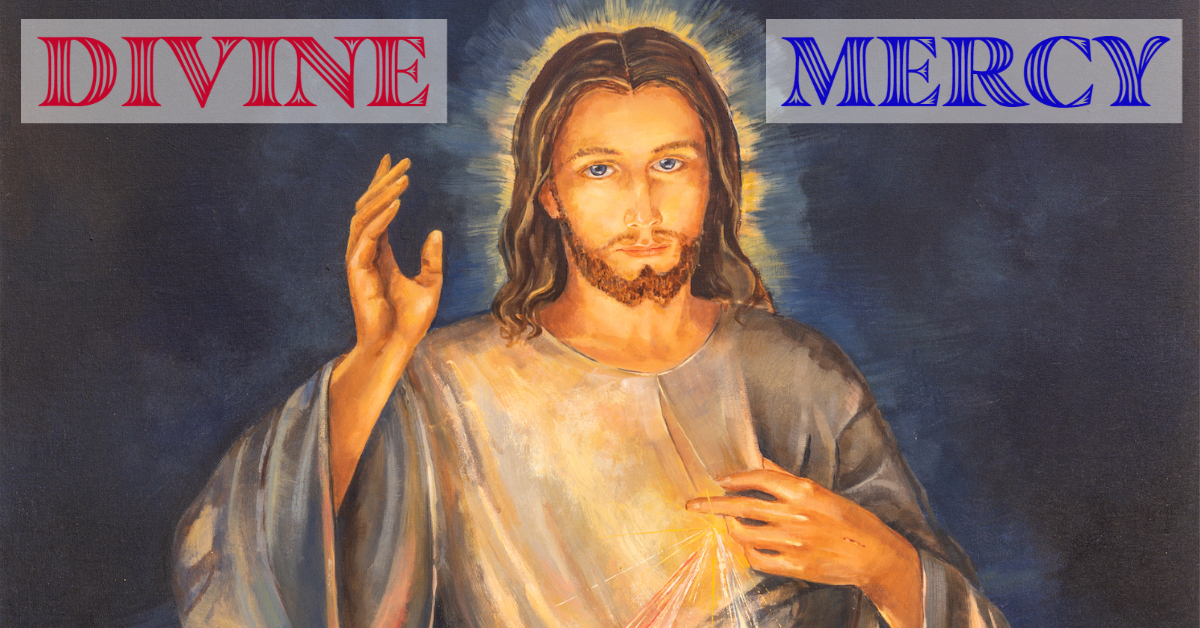
"Amen, amen, I say to you, unless a grain of wheat falls to the ground and dies, it remains just a grain of wheat; but if it dies, it produces much fruit. " (John 12)
Photo copyright : John R Portelli

Thursday, 9 May 2024

WHOEVER BELIEVES AND IS BAPTISED WILL BE SAVED

Readings for Sunday, May 12, 2024 

Solemnity of the Ascension of the Lord
Lectionary: 58

Qari tas-Solennità tat-Tlugħ il-Mulej fis-Sema


Reading 1                  Acts of the Apostles 1:1-11

In the first book, Theophilus, I dealt with all that Jesus did and taught until the day he was taken up, after giving instructions through the Holy Spirit to the apostles whom he had chosen. He presented himself alive to them by many proofs after he had suffered, appearing to them during forty days and speaking about the kingdom of God. While meeting with them, he enjoined them not to depart from Jerusalem, but to wait for “the promise of the Father about which you have heard me speak; for John baptized with water, but in a few days you will be baptized with the Holy Spirit.” When they had gathered together they asked him, “Lord, are you at this time going to restore the kingdom to Israel?” He answered them, “It is not for you to know the times or seasons that the Father has established by his own authority. But you will receive power when the Holy Spirit comes upon you, and you will be my witnesses in Jerusalem, throughout Judea and Samaria, and to the ends of the earth.” When he had said this, as they were looking on, he was lifted up, and a cloud took him from their sight. While they were looking intently at the sky as he was going, suddenly two men dressed in white garments stood beside them. They said, “Men of Galilee, why are you standing there looking at the sky? This Jesus who has been taken up from you into heaven will return in the same way as you have seen him going into heaven.”

QARI 1                 Bidu tal-Ktieb tal-Atti tal-Appostli 1:1-11

Fl-ewwel rakkont tiegħi, Teofilu, tkellimt fuq dak kollu li Ġesù kien għamel u għallem minn mindu beda sal-jum li fih kien meħud fis-sema, wara li, permezz tal-Ispirtu s-Santu, ta l-ordnijiet tiegħu lill-appostli li hu kien għażel.  Wara l-passjoni tiegħu dehrilhom u tahom ħafna provi li hu ħaj; f’erbgħin jum rawh kemm-il darba u kellimhom fuq il-ħwejjeġ tas-Saltna ta’ Alla. Meta kien għadu magħhom, ordnalhom biex ma jitilqux minn Ġerusalemm, imma joqogħdu jistennew sa ma sseħħ il-wegħda tal-Missier, “li fuqha”, qalilhom “smajtu x’kont għedtilkom: Ġwanni għammed bl-ilma, imma intom, fi ftit jiem oħra titgħammdu bl-Ispirtu s-Santu”.  Kif kienu flimkien staqsewh: “Mulej, hu dan iż-żmien li fih int se terġa’ twaqqaf is-Saltna ta’ Iżrael?”. Hu weġibhom: “Mhijiex biċċa tagħkom li tkunu tafu l-waqt u ż-żmien li l-Missier għażel bis-setgħa tiegħu. Imma meta jiġi fuqkom l-Ispirtu s-Santu, intom tirċievu l-qawwa, u tkunu xhieda tiegħi f’Ġerusalemm, fil-Lhudija kollha u s-Samarija u sa truf l-art”. Wara li qal dan, huma u jħarsu lejh, kien meħud ’il fuq, u sħaba ħadithulhom minn quddiem għajnejhom. Waqt li kienu b’għajnejhom fis-sema jħarsu lejh sejjer, f’daqqa waħda dehru ħdejhom żewġt irġiel libsin l-abjad, u qalulhom: “Irġiel tal-Galilija, x’intom tħarsu lejn is-sema? Dan Ġesù, li kien meħud minn magħkom lejn is-sema, għad jerġa’ jiġi kif rajtuh sejjer”. Il-Kelma tal-Mulej.

Responsorial Psalm                             PSALM  47:2-3, 6-7, 8-9 

All you peoples, clap your hands,
shout to God with cries of gladness,
For the LORD, the Most High, the awesome,
is the great king over all the earth.
R. God mounts his throne to shouts of joy:  a blare of trumpets for the Lord.
or:  R. Alleluia.

God mounts his throne amid shouts of joy;
the LORD, amid trumpet blasts.
Sing praise to God, sing praise;
sing praise to our king, sing praise.
R. God mounts his throne to shouts of joy:  a blare of trumpets for the Lord.
or:  R. Alleluia.

For king of all the earth is God;
sing hymns of praise.
God reigns over the nations,
God sits upon his holy throne.
R. God mounts his throne to shouts of joy:  a blare of trumpets for the Lord.
or: R. Alleluia.

SALM RESPONSORJALI                 Salm 46(47):2-3,6-7,8-9

R/.(6): Tela’ Alla b’għajat ta’ ferħ.   // 
jew... R/. Hallelujah, Hallelujah, Hallelujah.

Popli kollha, ċapċpu jdejkom,
għajtu b’leħen ta’ ferħ lil Alla!
Għax il-Mulej, l-Għoli, hu tal-biża’,
sultan kbir fuq l-art kollha. R/.

Tela’ Alla b’għajat ta’ ferħ,
il-Mulej bid-daqq tat-trombi.
Għannu lil Alla, għannu,
għannu lis-sultan tagħna, għannu. R/.

Għax Alla s-sultan tal-art kollha:
għannulu bis-sengħa għanja sabiħa.
Isaltan Alla fuq il-ġnus kollha,
joqgħod Alla fuq it-tron imqaddes tiegħu. R/.

Reading 2                 EPHESIANS 1:17-23

Brothers and sisters: May the God of our Lord Jesus Christ, the Father of glory, give you a Spirit of wisdom and revelation resulting in knowledge of him. May the eyes of your hearts be enlightened, that you may know what is the hope that belongs to his call, what are the riches of glory in his inheritance among the holy ones, and what is the surpassing greatness of his power for us who believe, in accord with the exercise of his great might, which he worked in Christ, raising him from the dead and seating him at his right hand in the heavens, far above every principality, authority, power, and dominion, and every name that is named not only in this age but also in the one to come. And he put all things beneath his feet and gave him as head over all things to the church, which is his body, the fullness of the one who fills all things in every way.

OR:       EPHESIANS 4:1-13 

Brothers and sisters, I, a prisoner for the Lord, urge you to live in a manner worthy of the call you have received, with all humility and gentleness, with patience, bearing with one another through love, striving to preserve the unity of the spirit through the bond of peace: one body and one Spirit, as you were also called to the one hope of your call; one Lord, one faith, one baptism; one God and Father of all, who is over all and through all and in all. But grace was given to each of us according to the measure of Christ’s gift.  Therefore, it says:     He ascended on high and took prisoners captive;    he gave gifts to men. What does “he ascended” mean except that he also descended into the lower regions of the earth? The one who descended is also the one who ascended far above all the heavens, that he might fill all things. And he gave some as apostles, others as prophets, others as evangelists, others as pastors and teachers, to equip the holy ones for the work of ministry, for building up the body of Christ, until we all attain to the unity of faith and knowledge of the Son of God, to mature to manhood, to the extent of the full stature of Christ. 

QARI 2                  mill-Ittra ta’ San Pawl Appostlu lill-Efesin 4:1-13

Ħuti, inħeġġiġkom jien, il-priġunier tal-Mulej, biex timxu sewwa skont is-sejħa li biha kontu msejħin; billi bl-umiltà kollha, bil-ħlewwa u bis-sabar, taħmlu u tħobbu ’l xulxin. Ħabirku biex iżżommu spirtu wieħed bir-rabta tas-sliem; ġisem wieħed u ruħ waħda, l-istess kif kontu msejħa għal tama waħda; Mulej wieħed, fidi waħda, magħmudija waħda; Alla wieħed u Missier ta’ kulħadd, li hu fuq kulħadd, b’kulħadd u f’kulħadd. Lil kull wieħed minna Alla tana l-grazzja skont il-qies tad-don ta’ Kristu. Hu għalhekk li tgħid l-Iskrittura: “Tela’”: xi jfisser dan għajr li hu niżel ukoll fl-inħawi l-aktar t’isfel tal-art? Dak li niżel huwa dak li tela’ fuq is-smewwiet kollha, biex jimla kollox. U huwa dak li ta lil xi wħud li jkunu appostli, lil xi wħud profeti, lil xi wħud evanġelisti, lil xi wħud ragħajja u mgħallmin. Hekk jitrawmu l-qaddisin għax-xogħol tal-ħidma tagħhom għall-bini tal-Ġisem ta’ Kristu, sakemm aħna lkoll naslu biex insiru ħaġa waħda fil-fidi u fl-għarfien tal-Iben ta’ Alla; insiru raġel magħmul, fl-aħjar ta’ żmienu. U hekk isseħħ il-milja ta’ Kristu. Il-Kelma tal-Mulej.

Gospel                 MARK 16:15-20 

Jesus said to his disciples: “Go into the whole world and proclaim the gospel to every creature. Whoever believes and is baptized will be saved; whoever does not believe will be condemned. These signs will accompany those who believe: in my name they will drive out demons, they will speak new languages. They will pick up serpents with their hands, and if they drink any deadly thing, it will not harm them. They will lay hands on the sick, and they will recover.” So then the Lord Jesus, after he spoke to them, was taken up into heaven and took his seat at the right hand of God. But they went forth and preached everywhere, while the Lord worked with them and confirmed the word through accompanying signs.

EVANĠELJU                  Qari skont San Mark 16:15-20

F’dak iż-żmien, Ġesù wera ruħu lill-Ħdax u qalilhom: “Morru fid-dinja kollha, xandru l-Evanġelju lill-ħolqien kollu. Min jemmen u jitgħammed, isalva; iżda min ma jemminx, ikun ikkundannat. U dawn huma s-sinjali li jsieħbu lil dawk li jemmnu: f’ismi jkeċċu x-xjaten, jitkellmu b’ilsna ġodda, jaqbdu s-sriep b’idejhom, u jekk jixorbu xi xorb li jġib il-mewt ma jagħmlilhomx ħsara; iqiegħdu jdejhom fuq il-morda u dawn ifiqu”. U hekk il-Mulej Ġesù, wara li kellimhom, kien imtella’ fis-sema u qagħad in-naħa tal-lemin ta’ Alla. Huma mbagħad marru jipprietkaw kullimkien; il-Mulej kien jaħdem magħhom u jwettaq il-kelma bil-mirakli li kienu jsiru magħha. Il-Kelma tal-Mulej.

///////////////////////////////////////////////

An 8-minute Reflection on Sunday's Readings by Fr Anthony Kadavil 

HE WENT ... TO BE ALWAYS WITH US...

Introduction: 

Next Sunday’s readings describe the Ascension of the Lord Jesus into his Heavenly glory after promising his disciples the Holy Spirit as their source of Heavenly power and commanding them to bear witness to him throughout the world by their lives and preaching. But the ascended Jesus is still with us through his indwelling Holy Spirit as he has promised, “I am with you always; yes, to the end of time.” Today’s feast is a celebration of Jesus’ final glorification after his suffering, death, and Resurrection – a glory in which we, too, hope to share.

The Scripture lessons:

The first reading gives an account of the event of the Ascension as recorded in the first chapter of the Acts of the Apostles. First, Jesus instructedhis apostlesto remain in Jerusalem and wait for the baptism by the Holy Spiritso that they might become his “witnesses to the ends of the earth” by the power of the Holy Spirit. Then a cloud took Jesus from the sight of the disciples and two Heavenly messengers in white garments gave them the assurance of Jesus’ “second coming” or return in glory. The Refrain for today’s Responsorial Psalm (Ps 47) suggests that by his Ascension, the risen Lord “mounts his throne” in glory. In the second reading, Paul explains the theological meaning of Jesus’ exaltation, giving us the assurance that one day, we, too, will be ascending to Heavenly Glory, provided we fulfill the mission entrusted to us by the ascending Lord.

Today’s Gospel describes how Jesus ascended to Heaven after giving his final blessing and missionary command to his disciples. The command was to “proclaim the Good News to the whole creation,” “to be his witnesses,” and “to make disciples of all nations.” (Mt 28:16-20, Mk 16:15-20, Lk 24:46-53, Acts 1:1-11).

Life messages: 

1) We need to be proclaimers and evangelizers: To be a Christian is to be a proclaimer and an evangelizer. There is a difference between preaching and proclaiming. We preach with words, but we proclaim with our lives. Let us ask the guidance of the Holy Spirit, as we bear witness to Jesus by our transparent Christian lives.

2) We have a teaching mission: Jesus taught us lessons of Faith, Hope, Love, forgiveness, mercy, and salvation by his life and preaching and gave as we have experienced our Lord and Savior. 3) The ascended Jesus is our source of strength and encouragement: We will be able to overcome doubts about our Faith, as well as baseless fears, anxieties and worries, by meditating on Jesus’ Ascension and the lesson it teaches — that we, too, are called to share his glory in Heaven.

//////////////////////////////////////    https://frtonyshomilies.com

Thursday, 2 May 2024

LET US LOVE ONE ANOTHER

Readings for Sunday, May 5, 2024 

Sixth Sunday of Easter
Lectionary: 56 


Is-Sitt Ħadd tal-Għid


Reading 1                 Acts 10:25-26, 34-35, 44-48

When Peter entered, Cornelius met him and, falling at his feet, paid him homage. Peter, however, raised him up, saying, "Get up. I myself am also a human being." Then Peter proceeded to speak and said, "In truth, I see that God shows no partiality. Rather, in every nation whoever fears him and acts uprightly is acceptable to him."  While Peter was still speaking these things, the Holy Spirit fell upon all who were listening to the word. The circumcised believers who had accompanied Peter were astounded that the gift of the Holy Spirit should have been poured out on the Gentiles also, for they could hear them speaking in tongues and glorifying God. Then Peter responded, "Can anyone withhold the water for baptizing these people, who have received the Holy Spirit even as we have?" He ordered them to be baptized in the name of Jesus Christ.

QARI 1                 mill-Ktieb tal-Atti tal-Appostli 10:25-26,34-35,44-48

Xħin daħal Pietru fid-dar ta’ Kornelju, dan mar jilqgħu u ntefa’ f’riġlejh jagħtih qima. Imma Pietru qajmu u qallu: “Qum. Jien bniedem ukoll”. Pietru qabad jitkellem u qal: “Issa tassew qiegħed nifhem li Alla ma jħares lejn wiċċ ħadd, imma jilqa’ lil kull min għandu l-biża’ tiegħu u jagħmel is-sewwa, ikun minn liema poplu jkun”. Meta Pietru kien għadu qiegħed jgħid dan, l-Ispirtu s-Santu niżel fuq dawk kollha li kienu jisimgħuh. Dawk li kienu marru ma’ Pietru, Lhud li kienu emmnu, stagħġbu kif Alla sawwab id-don tal-Ispirtu s-Santu fuq il-pagani wkoll. Għax semgħuhom jitkellmu bl-ilsna u jfaħħru l-kobor ta’ Alla. Imbagħad Pietru qal: “Jista’ xi ħadd jiċħad l-ilma tal-magħmudija lil dawn in-nies, li ħadu l-Ispirtu s-Santu bħalma ħadnieh aħna wkoll?”. U ordna li jitgħammdu fl-isem ta’ Kristu. Imbagħad huma talbuh jibqa’ għal ftit jiem magħhom. Il-Kelma tal-Mulej.

Responsorial Psalm                 PSALM 98:1, 2-3, 3-4

Sing to the LORD a new song,
for he has done wondrous deeds;
His right hand has won victory for him,
his holy arm.
R. The Lord has revealed to the nations his saving power.
or: R. Alleluia.

The LORD has made his salvation known:
in the sight of the nations he has revealed his justice.
He has remembered his kindness and his faithfulness
toward the house of Israel.
R. The Lord has revealed to the nations his saving power.
or: R. Alleluia.

All the ends of the earth have seen
the salvation by our God.
Sing joyfully to the LORD, all you lands;
break into song; sing praise.
R. The Lord has revealed to the nations his saving power.
or:  R. Alleluia.

SALM RESPONSORJALI                  Salm 97(98):1,2-3ab,3ċd-4

R/. (ara 2b): Il-Mulej wera l-ġustizzja tiegħu lill-ġnus.
jew -  R/. Hallelujah, Hallelujah, Hallelujah.

Għannu lill-Mulej għanja ġdida,
għax għamel ħwejjeġ tal-għaġeb.
Ġibitlu r-rebħa l-leminija tiegħu,
u d-driegħ imqaddes tiegħu. R/.

Għarraf il-Mulej is-salvazzjoni tiegħu,
f’għajnejn il-ġnus wera l-ġustizzja tiegħu.
Ftakar fit-tjieba u l-fedeltà tiegħu
mal-poplu ta’ Iżrael. R/.

L-art kollha, minn tarf għall-ieħor,
rat is-salvazzjoni ta’ Alla tagħna.
Għajtu bil-ferħ lill-Mulej fl-art kollha,
infexxu fil-hena, ifirħu u għannu! R/.

Reading 2                 1 JOHN 4:7-10

Beloved, let us love one another, because love is of God; everyone who loves is begotten by God and knows God. Whoever is without love does not know God, for God is love. In this way the love of God was revealed to us: God sent his only Son into the world so that we might have life through him. In this is love: not that we have loved God, but that he loved us and sent his Son as expiation for our sins.

QARI 2                  mill-Ewwel Ittra ta’ San Ġwann Appostlu 4:7-10

Għeżież, ejjew inħobbu ’l xulxin, għax l-imħabba ġejja minn Alla, u kull min iħobb hu mwieled minn Alla u jagħraf lil Alla. Dak li ma jħobbx ma għarafx lil Alla, għax Alla hu mħabba. B’dan dehret l-imħabba ta’ Alla fina, għax Alla bagħat lil Ibnu l-waħdieni fid-dinja, biex ngħixu bih. U hawn qiegħda l-imħabba; mhux għax aħna ħabbejna ’l Alla, imma għax ħabbna hu u bagħat lil Ibnu biex ikun ta’ tpattija għal dnubietna.  Il-Kelma tal-Mulej.

Gospel                 JOHN 15:9-17

Jesus said to his disciples:  "As the Father loves me, so I also love you.  Remain in my love.  If you keep my commandments, you will remain in my love, just as I have kept my Father's commandments and remain in his love.  "I have told you this so that my joy may be in you and your joy might be complete.  This is my commandment: love one another as I love you.   No one has greater love than this, to lay down one's life for one's friends.  You are my friends if you do what I command you.  I no longer call you slaves, because a slave does not know what his master is doing.  I have called you friends, because I have told you everything I have heard from my Father. It was not you who chose me, but I who chose you and appointed you to go and bear fruit that will remain, so that whatever you ask the Father in my name he may give you. This I command you: love one another."

EVANĠELJU                 Qari skont San Ġwann 15:9-17

F’dak iż-żmien, Ġesù qal lid-dixxipli tiegħu: “Kif ħabbni Missieri, hekk ħabbejtkom jiena. Ibqgħu fl-imħabba tiegħi. Jekk tħarsu l-kmandamenti tiegħi, intom tibqgħu fi mħabbti, kif jiena ħarist il-kmandamenti ta’ Missieri u qiegħed fi mħabbtu. Għedtilkom dan biex il-ferħ tiegħi jkun fikom, u biex il-ferħ tagħkom ikun sħiħ.  Dan hu l-kmandament tiegħi: li tħobbu lil xulxin kif ħabbejtkom jien. Ħadd ma għandu mħabba akbar minn din: li wieħed jagħti ħajtu għal ħbiebu. Intom ħbiebi, jekk tagħmlu dak li jiena nikkmandakom. Ma nsejħilkomx aktar qaddejja, għax il-qaddej ma jafx x’jagħmel sidu; sejjaħtilkom ħbieb, għaliex kulma smajt mingħand Missieri jiena għarrafthulkom.  Mhux intom għażiltu lili, imma jien għażilt lilkom, u ħtartkom biex tmorru tagħmlu l-frott u l-frott tagħkom jibqa’, ħalli kulma titolbu lill-Missier f’ismi, huwa jagħtihulkom. Dan hu li qiegħed nikkmandakom: li tħobbu lil xulxin”. Il-Kelma tal-Mulej.

///////////////////////////////////////////////

An 8-minute Reflection on Sunday's Readings by Fr Anthony Kadavil 

HERE FOR OTHERS!

Introduction: 

Sunday’s Scripture passages declare the profound truth that those who believe in Christ are to obey his commandment of love – “Love one another as I have loved you.” When we celebrate Mother’s Day, let us remember with gratitude that it is generally our mothers who practice the agápe love of Jesus.

Scripture Lessons summarized: 

In the first reading, Peter teaches us that God shows no partiality in His love and that there are no boundaries to abiding in love. God loves everyone, both the Jews and the Gentiles, and He wants everyone to be saved through His son, Jesus. That is why God welcomed the Roman centurion Cornelius as the first non-Jew to become a Christian. 

The reading tells us how God also allowed the Gentiles who heard Peter’s speech to receive the same Holy Spirit and His gifts that Peter’s Jewish audience had received on the day of Pentecost. Today’s Responsorial Psalm (Ps 98) also directs our attention toward God’s marvellous love and kindness in offering salvation to the whole world. 

In the second reading, John defines God as love and explains that He expressed His love for mankind by sending His son to die for us humans “as expiation for our sins.” This Divine love gives us the command, and so the duty, to love one another as we have been loved by God. Since God has loved us first, we can and should love God in return, love ourselves properly, and love one another. 

After telling the parable of the vine and branches, Jesus, in Sunday’s Gospel, teaches the disciples that they are to obey his commandment of love just as Jesus has obeyed his Heavenly Father’s will by fulfilling His commandments and remaining inseparably bonded with his Father. Jesus’ unconditional, forgiving, selfless, sacrificial love for us must be the criterion of our love for others. 

The highest expression of this love is our willingness to lay down our lives as Jesus did, for people who don’t deserve it. The goal and result of our abiding in love, in God, will be perfect joy. Jesus no longer calls us slaves but now calls us “friends.” He tells us that he has chosen us, and that, if we use Jesus’ name, we can ask the Father for anything.

Life messages: 

# 1: We need to cultivate an abiding and loving friendship with Jesus. We need to express this love in our relationships with others by loving them and offering them trust, faithfulness, equality, forgiveness, joy, and sacrifice.

 #2: We need to be persons for others: Jesus demonstrated the love of God, his Father, for us by living for us and dying for us. Hence, as Jesus’ disciples, we are to be persons for others, sacrificing our time, talents, and lives for others. This is what parents spontaneously do, sacrificing themselves, their time, talents, health, and wealth for their children, or in other words, by spending themselves for their children. 

The most effective way of communicating God’s love to others is by treating everyone as a friend, giving everyone the respect he or she deserves. Let us remember that Christ’s own love was not limited to the people he liked and, hence, that we should close our minds to thoughts of revenge.

//////////////////////////////////////    https://frtonyshomilies.com

Thursday, 25 April 2024

WE CAN BEAR MUCH FRUIT

 Readings for Sunday, April 28, 2024 

Fifth Sunday of Easter
Lectionary: 53 


Il-Hames Ħadd tal-Għid


Reading 1                 Acts of the Apostles  9:26-31

When Saul arrived in Jerusalem he tried to join the disciples, but they were all afraid of him, not believing that he was a disciple. Then Barnabas took charge of him and brought him to the apostles, and he reported to them how he had seen the Lord, and that he had spoken to him, and how in Damascus he had spoken out boldly in the name of Jesus. He moved about freely with them in Jerusalem, and spoke out boldly in the name of the Lord. He also spoke and debated with the Hellenists, but they tried to kill him. And when the brothers learned of this,  they took him down to Caesarea and sent him on his way to Tarsus. The church throughout all Judea, Galilee, and Samaria was at peace. It was being built up and walked in the fear of the Lord, and with the consolation of the Holy Spirit it grew in numbers.

QARI 1                 mill-Ktieb tal-Atti tal-Appostli 9, 26-31

F’dak iż-żmien, meta Sawl wasal Ġerusalemm beda jfittex li jissieħeb mad-dixxipli. Imma lkoll kienu jib!għu minnu, għax ma kinux emmnu li tassew ikkonverta. Imbagħad Barnaba qabdu u ħadu miegħu għand l-appostli. Hu qalilhom kif Sawl kien ra lill-Mulej fit-triq u semgħu jkellmu, u kif f’Damasku kien tkellem b’wiċċu minn quddiem fl-isem ta’ Ġesù.  Għalhekk Sawl baqa’ magħhom, dieħel u ħiereġ Ġerusalemm, u kien jitkellem bil-miftuħ f’isem il-Mulej. Kien jitħaddet mal-Lhud Griegi u jiddiskuti magħhom; iżda huma kienu jfittxu li joqtluh. Meta l-aħwa saru jafu b’dan, niżżluh lejn Ċesarija u bagħtuh Tarsu. Il-Knisja kienet fis-sliem fil-Lhudija u l-Galilija u s-Samarija kollha; kienet dejjem tikber u timxi ’l quddiem bil-biża’ tal-Mulej, u tiżdied fl-għadd bl-għajnuna tal-Ispirtu s-Santu.  Il-Kelma tal-Mulej

Responsorial Psalm                  PSALM 22:26-27, 28, 30, 31-32

I will fulfil my vows before those who fear the LORD.
The lowly shall eat their fill;
they who seek the LORD shall praise him:
"May your hearts live forever!"
R. I will praise you, Lord, in the assembly of your people.
or: R. Alleluia.

All the ends of the earth
shall remember and turn to the LORD;
all the families of the nations
shall bow down before him.
R. I will praise you, Lord, in the assembly of your people.
or: R. Alleluia.

To him alone shall bow down
all who sleep in the earth;
before him shall bend
all who go down into the dust.
R. I will praise you, Lord, in the assembly of your people.
or: R. Alleluia.

And to him my soul shall live;
my descendants shall serve him.
Let the coming generation be told of the LORD
that they may proclaim to a people yet to be born
the justice he has shown.
R. I will praise you, Lord, in the assembly of your people.
or: R. Alleluia.

SALM RESPONSORJALI                  Salm 21 (22), 26b-27.28.30.31-32

R/. 26 (a): Mulej, nagħtik it-tifħir tiegħi f’ġemgħa kbira
jew R/. Hallelujah, Hallelujah, Hallelujah

Irrodd il-wegħdiet tiegħi
quddiem dawk li jibżgħu minnu.
Jieklu l-fqajrin u jixbgħu;
ifaħħru l-Mulej dawk li jfittxuh.
Ħa tgħix qalbhom għal dejjem! R/.

Jiftakru t-truf kollha tal-art,
u jerġgħu lura lejn il-Mulej;
u quddiemu jinxteħtu r-razez kollha tal-ġnus.
Lilu jqimu l-bnedmin, li jmutu;
quddiemu jmil kull min nieżel ġot-trab.
U għalih tgħix ruħi. R/.

Lilu jaqdi n-nisel tiegħi.
Ixandru ’l Sidi lin-nisel li għad jiġi,
ixandru l-ġustizzja tiegħu
lill-poplu li għad jitwieled:
“Dan għamlu l-Mulej!” R/.

Reading 2                  1 JOHN 3:18-24

Children, let us love not in word or speech but in deed and truth. Now this is how we shall know that we belong to the truth and reassure our hearts before him in whatever our hearts condemn, for God is greater than our hearts and knows everything. Beloved, if our hearts do not condemn us, we have confidence in God and receive from him whatever we ask, because we keep his commandments and do what pleases him. And his commandment is this: we should believe in the name of his Son, Jesus Christ, and love one another just as he commanded us. Those who keep his commandments remain in him, and he in them, and the way we know that he remains in us is from the Spirit he gave us.

QARI 2                   mill-Ewwel Ittra ta’ San Ġwann Appostlu 3, 18-24

Uliedi, ma nħobbux bil-kliem u t-tpaċpiċ, imma bl-għemil u bis-sewwa. Minn dan naslu li nagħrfu li aħna fil-verità, u quddiem Alla nserrħu l-kuxjenza tagħna, jekk il-kuxjenza ċċanfarna, għax Alla hu aqwa mill-kuxjenza tagħna, u hu jaf kollox. Għeżież, jekk il-kuxjenza tagħna ma ċċanfarniex, aħna qalbna qawwija quddiem Alla, u kull ma nitolbu naqilgħuh mingħandu, għax qegħdin inżommu l-kmandamenti tiegħu u nagħmlu dak li jogħġob lilu. Dan hu l-kmandament tiegħu: li nemmnu fl-isem ta’ Ibnu Ġesù Kristu, u nħobbu ’l xulxin, kif wissiena hu. Min iżomm il-kmandamenti tiegħu jgħammar f’Alla u Alla fih. B’hekk nagħrfu li hu jgħammar fina: bl-Ispirtu li hu tana. Il-Kelma tal-Mulej


Gospel                       JOHN 15:1-8

Jesus said to his disciples: "I am the true vine, and my Father is the vine grower. He takes away every branch in me that does not bear fruit, and every one that does he prunes so that it bears more fruit. You are already pruned because of the word that I spoke to you. Remain in me, as I remain in you. Just as a branch cannot bear fruit on its own unless it remains on the vine, so neither can you unless you remain in me. I am the vine, you are the branches. Whoever remains in me and I in him will bear much fruit, because without me you can do nothing. Anyone who does not remain in me will be thrown out like a branch and wither; people will gather them and throw them into a fire and they will be burned. If you remain in me and my words remain in you, ask for whatever you want and it will be done for you. By this is my Father glorified, that you bear much fruit and become my disciples."

EVANĠELJU                 Qari skont San Ġwann 15, 1-8

F’dak iż-żmien, Ġesù qal lid-dixxipli tiegħu: “Jiena d-dielja vera u Missieri l-bidwi. Kull fergħa fija li ma tagħmilx frott jaqtagħha; u kull waħda li tagħmel il-frott jiżborha u jnaddafha, biex tagħmel frott aktar. Intom ġa ndaf minħabba l-kelma li għedtilkom. Ibqgħu fija, u jiena nibqa’ fikom. Kif il-fergħa ma tistax tagħmel frott minnha nfisha jekk ma tibqax fid-dielja, hekk anqas intom jekk ma tibqgħux fija. Jiena d-dielja, intom il-friegħi. Min jibqa’ fija u jiena fih, dan jagħmel ħafna frott; għax mingħajri ma tistgħu tagħmlu xejn. Jekk wieħed ma jibqax fija, jintrema barra bħal fergħa, u jinxef; imbagħad, friegħi bħal dawn jiġbruhom u jixħtuhom fin-nar u jinħarqu. Jekk tibqgħu fija u kliemi jibqa’ fikom, itolbu kull ma tridu, u jingħatalkom. Din hi l-glorja ta’ Missieri, li intom tagħmlu ħafna frott u tkunu dixxipli tiegħi”. Il-Kelma tal-Mulej

///////////////////////////////////////////////

An 8-minute Reflection on Sunday's Readings by Fr Anthony Kadavil 

PRODUCING THE SPIRIT'S FRUITS 


Introduction: 

Sunday’s Scripture selections emphasize the need for Christians to abide in Christ as a condition for producing the Spirit’s fruits of kindness, mercy, charity, and holiness.

The scripture lessons summarized:  

The first reading, taken from the Acts of the Apostles, testifies to the abundance of spiritual fruits yielded by the apostles because of their close bond with the risen Lord.  The reading tells us how the Lord pruned the former fanatical Pharisee, Saul of Tarsus, who had persecuted the Church, to produce a fruit-bearing branch called Paul, the zealous Apostle to the Gentiles, a man now entirely dedicated to the proclamation of the Gospel.  Even Paul’s forced return to Tarsus for a brief period is an example of God’s pruning of the vine to bring forth a greater harvest, namely, the mission to the Gentiles. 

In Sunday’s Responsorial Psalm we sing the end of Ps 22, “ … to Him My soul shall live … let the coming generation be told of the Lord that they may proclaim to a people yet to be born the Justice Hs has shown,”  drawing our strength  from Jesus’ courage and trust in His Father. In today’s second reading, John, in his first letter to the Church, explains that only if we remain united with Christ by putting our Faith in him and drawing our spiritual strength from him, will we be able to obey God’s commandments, especially the commandment of love. 

In the Gospel, taken from the Last Supper discourse, Jesus uses God’s Old Testament image of the vine and branches to help his disciples to understand the closeness of their relationship with him and the necessity of their maintaining it.  They are not simply rabbi and disciples.  Their lives are mutually dependent – as close as a vine and its branches.  In fact, in using this image, Jesus is explaining to them and to us what our relationship with him should become.

Sunday’s reading describes the aftermath of his transformation from enemy of the early Christian movement to God’s chosen instrument for bringing the Gospel to non-Jews. Jesus himself pruned away the former Saul — the Saul who had persecuted the Church — to make Paul, a man whose life was entirely dedicated to the proclamation of the Gospel.  But when Paul, after preaching in Damascus for “a long time” (v 23), came to Jerusalem, the disciples in Jerusalem were afraid of him. Finally, they recognized the transforming power of the Spirit of God operating in Paul and gave their full support to him. Because Paul had become a vigorous witness for Christ, the Hellenists (Greek-speaking Jews), tried to kill him.  When Paul’s life was threatened, the other apostles helped him to leave Jerusalem and return to Tarsus.  But even this setback in Paul’s missionary work turned out to be just one more example of God’s pruning of Paul – the vine-branch – to bring forth a greater harvest: the mission to the Gentiles.

Life messages: 

1) We need pruning in our Christian life. Cutting out of our lives everything that is contrary to the spirit of Jesus and renewing our commitment to Christian ideals in our lives every day is the first type of self-imposed pruning expected of us. A second means of pruning is practicing self-control over our evil inclinations, sinful addictions and aberrations. Cordial mingling in our neighborhood and society with people of different cultures, races, religions and orientations enables us, with God’s grace, to prune away our selfish, judgmental, prejudicial tendencies so that we can treat others in our society with Christian charity and openness. Jesus prunes, purifies and strengthens us by enabling us to face with the courage of our  Christian convictions, the pain and sufferings, contradictions and difficulties which He permits to enter our lives.

2) Let us abide in Christ and let Christ abide in us: The four Gospels teach us how to become true disciples of Jesus and how to abide in him as branches abide in the main trunk of the vine and how to draw their life from the vine.  Personal and liturgical prayers, frequenting of the Sacraments of the Holy Eucharist and Reconciliation, daily and meditative reading of the Bible, and selfless, loving acts of kindness, mercy and mutual loving forgiveness, all the fruits  of God’s Grace acting within us,  assist us in abiding in Jesus, the true Vine, as fruit-bearing branches.

//////////////////////////////////////    https://frtonyshomilies.com

Friday, 19 April 2024

WE ARE TIMID AND HELPLESS, LIKE SHEEP

 Readings for Sunday, April 21, 2024 

Fourth Sunday of Easter
Lectionary: 50

Qari tar-Raba’ Ħadd tal-Għid

Reading 1           ACTS OF THE APOSTLES 4:8-12

Peter, filled with the Holy Spirit, said: "Leaders of the people and elders: If we are being examined today about a good deed done to a cripple, namely, by what means he was saved, then all of you and all the people of Israel should know that it was in the name of Jesus Christ the Nazorean whom you crucified, whom God raised from the dead; in his name this man stands before you healed. He is the stone rejected by you, the builders, which has become the cornerstone. There is no salvation through anyone else, nor is there any other name under heaven given to the human race by which we are to be saved."

QARI 1                mill-Ktieb tal-Atti tal-Appostli 4, 8-12

F’dak iż-żmien, Pietru, mimli bl-Ispirtu s-Santu, wieġeb: “Kapijiet tal-poplu u xjuħ, intom illum qegħdin tistħarrġuna fuq il-ġid li għamilna lil wieħed marid, u biex dan fieq. Mela kunu afu intom ilkoll, u l-poplu kollu ta’ Iżrael: jekk dan ir-raġel hu hawn quddiemkom qawwi u sħiħ, dan ġara bis-saħħa tal-isem ta’ Ġesù Kristu ta’ Nazaret, li intom sallabtuh u Alla qajmu mill-imwiet. Dan Ġesù hu l-ġebla li intom, il-bennejja, warrabtu u li saret il-ġebla tax-xewka. F’ħadd ħliefu ma hemm salvazzjoni, għax imkien taħt is-sema ma hemm isem ieħor mogħti lill-bnedmin li bih aħna għandna nkunu salvi”.  Il-Kelma tal-Mulej

Responsorial Psalm                 PSALM 118:1, 8-9, 21-23, 26, 28, 29

Give thanks to the LORD, for he is good,
for his mercy endures forever.
It is better to take refuge in the LORD
than to trust in man.
It is better to take refuge in the LORD
than to trust in princes.
R. The stone rejected by the builders has become the cornerstone.
or: R. Alleluia.

I will give thanks to you, for you have answered me
and have been my savior.
The stone which the builders rejected
has become the cornerstone.
By the LORD has this been done;
it is wonderful in our eyes.
R. The stone rejected by the builders has become the cornerstone.
or: R. Alleluia.

Blessed is he who comes in the name of the LORD;
we bless you from the house of the LORD.
I will give thanks to you, for you have answered me
and have been my savior.
Give thanks to the LORD, for he is good;
for his kindness endures forever.
R. The stone rejected by the builders has become the cornerstone.
or: R. Alleluia.

SALM RESPONSORJALI                 Salm 117 (118), 1.8-9.21-23.26.28ċd.29

R/. Il-ġebla li warrbu l-bennejja saret il-ġebla tax-xewka
Jew    R/. Hallelujah, Hallelujah, Hallelujah

Faħħru l-Mulej, għaliex hu tajjeb,
għax għal dejjem it-tjieba tiegħu!
Aħjar tiskenn fil-Mulej
milli tittama fil-bnedmin.
Aħjar tiskenn fil-Mulej
milli tittama fil-kbarat. R/.

Niżżik ħajr talli weġibtni
u kont għalija s-salvazzjoni tiegħi.
Il-ġebla li warrbu l-bennejja
saret il-ġebla tax-xewka.
Bis-saħħa tal-Mulej seħħ dan:
ħaġa tal-għaġeb f’għajnejna. R/
.
Imbierek minn ġej f’isem il-Mulej!
Inberkukom minn dar il-Mulej.
Alla tiegħi, jien lilek inkabbar.
Faħħru l-Mulej, għaliex hu tajjeb,
għax għal dejjem it-tjieba tiegħu! R/.

Reading 2                 1 JOHN 3:1-2

Beloved: See what love the Father has bestowed on us that we may be called the children of God. Yet so we are. The reason the world does not know us is that it did not know him.Beloved, we are God's children now; what we shall be has not yet been revealed. We do know that when it is revealed we shall be like him, for we shall see him as he is.

QARI 2                  mill-Ewwel Ittra ta’ San Ġwann Appostlu 3, 1-2

Għeżież, araw b’liema għożża ħabbna l-Missier; nistgħu nissejħu wlied Alla, u hekk aħna tassew. Għalhekk id-dinja ma tagħrafniex, għax ma għarfitx lilu. Għeżież, issa aħna wlied Alla, imma x’se nkunu ’l quddiem mhuwiex irrivelat lilna. Madankollu nafu li meta jidher hu, aħna nkunu bħalu, għax narawh kif inhu. Il-Kelma tal-Mulej

Gospel                JOHN 10:11-18

Jesus said: "I am the good shepherd. A good shepherd lays down his life for the sheep. A hired man, who is not a shepherd and whose sheep are not his own, sees a wolf coming and leaves the sheep and runs away, and the wolf catches and scatters them. This is because he works for pay and has no concern for the sheep. I am the good shepherd, and I know mine and mine know me, just as the Father knows me and I know the Father; and I will lay down my life for the sheep. I have other sheep that do not belong to this fold. These also I must lead, and they will hear my voice, and there will be one flock, one shepherd. This is why the Father loves me, because I la y down my life in order to take it up again. No one takes it from me, but I lay it down on my own. I have power to lay it down, and power to take it up again. This command I have received from my Father." 


EVANĠELJU                 Qari skont San Ġwann 10, 11-18

F’dak iż-żmien, Ġesù qal: “Jiena r-ragħaj it-tajjeb. Ir-ragħaj it-tajjeb jagħti ħajtu għan-nagħaġ tiegħu. Il-mikri, li mhuwiex ir-ragħaj, u li n-nagħaġ mhumiex tiegħu, jara l-lupu ġej, u jħalli n-nagħaġ u jaħrab; u l-lupu jaħtafhom u jxerridhom. Mikri hu, u ma jħabbilx rasu min-nagħaġ. Jiena r-ragħaj it-tajjeb; jiena nagħraf in-nagħaġ tiegħi, u n-nagħaġ tiegħi jagħrfu lili, bħalma l-Missier jagħraf lili u jiena nagħraf lill-Missier; u għan-nagħaġ tiegħi nagħti ħajti. Għandi wkoll nagħaġ oħra, li mhumiex minn dan il-maqjel; lilhom ukoll jeħtieġ li niġbor, u huma jisimgħu leħni, u jkun hemm merħla waħda, ragħaj wieħed. Għalhekk iħobbni l-Missier, għax jien nagħti ħajti, biex nerġa’ neħodha. Ħadd ma jeħodhieli, iżda jien nagħtiha minn rajja. Għandi setgħa li nagħtiha, u għandi s-setgħa li nerġa’ neħodha; din hi l-ordni li ħadt mingħand Missieri”. Il-Kelma tal-Mulej

///////////////////////////////////////////////

An 8-minute Reflection on Sunday's Readings by Fr Anthony Kadavil 

LET US BECOME GOOD SHEPHERDS 

Introduction: 

On the Fourth Sunday of Easter, called Good Shepherd Sunday, we continue to reflect on the meaning of the Resurrection. This is also the World Day of Prayer for Vocations. Today, we celebrate the risen Lord as the Good Shepherd who lays down his life for his sheep. The priest in charge of a parish is called pastor because “pastor” means shepherd. As shepherd, he leads, feeds, nurtures, comforts, corrects, and protects Christ’s sheep, the people of the parish. 

The earliest Christians saw Jesus as the fulfilment of the ancient Jewish dream of a Good Shepherd. They also wished to include the Gentiles as part of God’s flock. Scripture lessons: In today’s first reading, Peter asserts unequivocally before the Jewish assembly that there is no salvation except through Christ, the Good Shepherd — the one whom the Jewish leaders have rejected and crucified and in whose name the apostles preach and heal. 

In the second reading, St. John tells us how Yahweh, the Good Shepherd of the Old Testament, expressed His love for us through His Son Jesus, the Good Shepherd, by making us His children. 

In Sunday’s Gospel Jesus introduces himself as the “Good Shepherd.” Jesus claims that as Good Shepherd he knows his sheep and loves them so much he is ready to die for them. The Gospel text offers us both comfort — the Good Shepherd knows us, provides for us, and loves us – and a double challenge: to become good shepherds to those entrusted to our care and good sheep in our parish, the sheepfold of Jesus the Good Shepherd.

Life messages: 

1) Let us become good shepherds: Everyone who is entrusted with the care of others is a shepherd. Hence Bishops, pastors, parents, teachers, doctors, nurses, government officials, bosses, and politicians are all shepherds. We become good shepherds by loving those entrusted to us, praying for them, spending our time, talents, health, and wealth for their welfare, and guarding them from physical and spiritual dangers. Parents must be especially careful of their duties as shepherds, becoming role models for their children by leading exemplary lives.

 2) Let us be good sheep in the fold of Jesus, our Good Shepherd: 

a) by hearing and following the voice of our shepherds through their homilies, Bible classes, counselling and advice; 

b) by taking the spiritual food given by our pastors through regular and active participation in the Holy Mass and by frequenting the sacraments, prayer services, renewal programs, and missions; 

c) by cooperating with our pastors, giving them positive suggestions for the welfare of the parish, encouraging them in their ministry by prayer and presence, by offering them praise and thanks for all they are doing for us, and occasionally by making constructive suggestions for changes; 

d) by cooperating as good stewards in the activities of various councils, ministries, and parish associations. 

3) Let us pray that we may all both receive and accept God’s offered vocations to the Priesthood, the diaconate and the consecrated life as well as to Marriage and the single state, so that we may have more holy and Spirit-filled shepherds to lead, feed, and protect a receptive Catholic community. Christ Jesus is the Priest in the full sense because He is the one mediator between God and humanity who offered Himself, a unique sacrifice, on the cross. The universal priesthood of all believers, the sharing of all the baptized in the priesthood of Christ, has received special emphasis since Vatican II. 

Those who are called to make a lifelong commitment to serve as ordained ministers share the ministerial priesthood of Jesus. On this World Day of Prayer for Vocations we are asked to encourage and pray for our young men to respond to God’s call to serve His Church in the ministerial priesthood and for all of us that we may live out our vocations as He wills.

//////////////////////////////////////   


https://frtonyshomilies.com

Thursday, 11 April 2024

PROCLAIM THE GOOD NEWS

Readings for Sunday, April 14, 2024 

Third Sunday of Easter
Lectionary: 47


Qari tat-Tielet Ħadd tal-Għid


Reading 1                Acts 3:13-15, 17-19

Peter said to the people: "The God of Abraham, the God of Isaac, and the God of Jacob, the God of our fathers, has glorified his servant Jesus, whom you handed over and denied in Pilate's presence when he had decided to release him. You denied the Holy and Righteous One and asked that a murderer be released to you. The author of life you put to death, but God raised him from the dead; of this we are witnesses. Now I know, brothers, that you acted out of ignorance, just as your leaders did; but God has thus brought to fulfillment what he had announced beforehand through the mouth of all the prophets, that his Christ would suffer. Repent, therefore, and be converted, that your sins may be wiped away." 

QARI 1                 mill-Ktieb tal-Atti tal-Appostli 3:13-15,17-19

F’dak iż-żmien, Pietru qal lill-poplu: “Alla ta’ Abraham, Alla ta’ Iżakk, u Alla ta’ Ġakobb, Alla ta’ missirijietna gglorifika lill-qaddej tiegħu, Ġesù, li intom ittradejtuh u ċħadtuh quddiem Pilatu, għalkemm dan kien qatagħha li jitilqu. Intom ċħadtu l-Qaddis u l-Ġust, tlabtu l-ħelsien ta’ wieħed qattiel u qtiltu lill-awtur tal-ħajja. Imma Alla qajmu mill-imwiet, u ta’ dan aħna xhieda. Issa, ħuti, jiena naf li kemm intom u kemm il-kapijiet tagħkom għamiltu dan għaliex ma kontux tafu. Imma b’hekk Alla temm dak li hu kien ħabbar sa minn qabel b’fomm il-profeti, jiġifieri, li l-Messija tiegħu kellu jbati. Indmu, mela, u erġgħu lura minn dnubietkom biex jinħafrulkom”.  Il-Kelma tal-Mulej.

Responsorial Psalm                Ps 4:2, 4, 7-8, 9

When I call, answer me, O my just God,
you who relieve me when I am in distress;
have pity on me, and hear my prayer!
R. Lord, let your face shine on us.
or:  R. Alleluia.

Know that the LORD does wonders for his faithful one;
the LORD will hear me when I call upon him.
R. Lord, let your face shine on us.
or:  R. Alleluia.

O LORD, let the light of your countenance shine upon us!
You put gladness into my heart.
R. Lord, let your face shine on us.
or:  R. Alleluia.

As soon as I lie down, I fall peacefully asleep,
for you alone, O LORD,
bring security to my dwelling.
R. Lord, let your face shine on us.
or:  R. Alleluia.

SALM RESPONSORJALI                Salm 4:2,4,7,9

R/. (7a): Ixħet fuqna, Mulej, id-dawl ta’ wiċċek.
Jew -  R/. Hallelujah, Hallelujah, Hallelujah.

Weġibni, meta nsejjaħlek,
Alla tal-ġustizzja tiegħi;
oħroġni fil-wisa’ meta nkun imdejjaq,
ħenn għalija u isma’ talbi. R/.

Kunu afu li l-Mulej
wera tjieba kbira miegħi;
jismagħni l-Mulej meta nsejjaħlu. R/.

Ħafna jgħidu: “Min jurina r-riżq?”.
Ixħet fuqna, Mulej, id-dawl ta’ wiċċek.
Nimtedd u norqod minnufih fis-sliem,
għax int waħdek, Mulej, fis-sod tqegħedni. R/.

Reading 2                 1 John 2:1-5a

My children, I am writing this to you so that you may not commit sin. But if anyone does sin, we have an Advocate with the Father, Jesus Christ the righteous one. He is expiation for our sins, and not for our sins only but for those of the whole world. The way we may be sure that we know him is to keep his commandments. Those who say, "I know him," but do not keep his commandments are liars, and the truth is not in them. But whoever keeps his word, the love of God is truly perfected in him. 

QARI 2                  mill-Ewwel Ittra ta’ San Ġwann Appostlu 2:1-5a

Uliedi, dan qiegħed niktibhulkom biex ma tidinbux; imma jekk xi ħadd jidneb, aħna għandna Difensur quddiem il-Missier, lil Ġesù Kristu, il-ġust. U hu jħallas għal dnubietna, mhux għal tagħna biss, iżda wkoll għal dawk tad-dinja kollha. U b’dan nafu li nagħrfu ’l Ġesù: jekk inżommu l-kmandamenti tiegħu. Min jgħid: “Jiena nafu” u ma jżommx il-kmandamenti tiegħu, hu giddieb u l-verità mhijiex fih. Iżda kull min iżomm il-kelma tiegħu, fih hemm tassew l-imħabba ta’ Alla fil-milja tagħha. Il-Kelma tal-Mulej.

Gospel                 LUKE 24:35-48

The two disciples recounted what had taken place on the way, and how Jesus was made known to them in the breaking of bread. While they were still speaking about this, he stood in their midst and said to them, "Peace be with you." But they were startled and terrified and thought that they were seeing a ghost. Then he said to them, "Why are you troubled? And why do questions arise in your hearts? L ok at my hands and my feet, that it is I myself. Touch me and see, because a ghost does not have flesh and bones as you can see I have." And as he said this, he showed them his hands and his feet. While they were still incredulous for joy and were amazed, he asked them, "Have you anything here to eat?" They gave him a piece of baked fish; he took it and ate it in front of them.  He said to them, "These are my words that I spoke to you while I was still with you, that everything written about me in the law of Moses and in the prophets and psalms must be fulfilled." Then he opened their minds to understand the Scriptures. And he said to them, "Thus it is written that the Christ would suffer and rise from the dead on the third day and that repentance, for the forgiveness of sins, would be preached in his name to all the nations, beginning from Jerusalem. You are witnesses of these things."

EVANĠELJU                 Qari skont San Luqa 24:35-48

F’dak iż-żmien, iż-żewġ dixxipli li reġgħu lura Ġerusalemm minn Għemmaws kienu qegħdin itarrfu lill-Ħdax u lil dawk li kienu magħhom xi ġralhom fit-triq, u kif kienu għarfu lil Ġesù fil-qsim tal-ħobż! Kif kienu għadhom jitkellmu, Ġesù nnifsu waqaf f’nofshom u qalilhom: “Is-sliem għalikom!”. Huma twerwru bil-biża’ għax ħasbu li qegħdin jaraw xi fantażma. Iżda hu qalilhom: “Għaliex tħawwadtu? Għaliex dan it-tħassib kollu f’qalbkom? Araw idejja u riġlejja. Jiena hu! Missuni, u ifhmuha li l-ispirtu ma għandux laħam u għadam bħalma qegħdin taraw li għandi jien”. Huwa u jgħidilhom dan, uriehom idejh u riġlejh. Iżda billi huma, fil-ferħ tagħhom, kienu għadhom ma jridux jemmnu u baqgħu mistagħġba, qalilhom: “Għandkom xi ħaġa tal-ikel hawn?”. Huma ressqulu quddiemu biċċa ħuta mixwija, u hu ħadha u kielha quddiemhom. Imbagħad qalilhom: “Meta kont għadni magħkom għedtilkom dawn il-kelmiet: jeħtieġ li jseħħ kulma nkiteb fuqi fil-Liġi ta’ Mosè, fil-Profeti u fis-Salmi”. Imbagħad fetħilhom moħħhom biex jifhmu l-Iskrittura. U qalilhom: “Hekk kien miktub, li l-Messija jbati u fit-tielet jum iqum mill-imwiet, u li l-indiema għall-maħfra tad-dnubiet tixxandar f’ismu lill-ġnus kollha, ibda minn Ġerusalemm. Intom xhud ta’ dan. U jiena, araw, nibgħat fuqkom lil dak li wiegħed Missieri. Imma intom ibqgħu fil-belt, sa ma Alla jkun libbiskom bil-qawwa tiegħu”.  Il-Kelma tal-Mulej.  

///////////////////////////////////////////////

An 8-minute Reflection on Sunday's Readings by Fr Anthony Kadavil  


THE CHALLENGE TO ADJUST   


Introduction: 

The common theme of today’s readings is the challenge to adjust our lives to the living presence of the risen Lord as we grow daily more aware of the presence of His Holy Spirit within us and surrounding us. This awareness should strengthen our hope in His promises, bring us to true repentance for our sins and the renewal of our lives, and lead us to bear witness to Christ by our works of charity. The readings also remind us that the purpose of the suffering, death, and Resurrection of Jesus was to save us from our sins.

Scripture lessons: 

The first reading, taken from the Acts of the Apostles, gives us Peter’s second sermon addressing the Jewish assembly at the Portico of Solomon in Jerusalem. Peter forcefully shows how the messianic prophecies have been fulfilled in the crucified and risen Jesus and challenges the Jews to repent and turn toward God so that their sins may be wiped away.  In the second reading, John answers doubts raised by the heretics of his time, asserting the fundamental Christian doctrine that Jesus’ death was a sacrifice offered as expiation for our sins. 

Sunday’s Gospel describes Jesus’ appearance on the evening of His Resurrection to his apostles who were in the locked Upper Room, the Cenacle. We see Jesus remove the doubts of his apostles about his Resurrection by inviting them to touch him and by eating a piece of cooked fish. Jesus explains how the prophecies have been fulfilled in him. Then he commissions them to bear witness to him and preach “repentance and forgiveness of sins in his name” after receiving the Holy Spirit.

Life messages: 

1) We need to share the apostles’ “Upper Room Experience” in the Holy Mass: The same Jesus who, in the Upper Room, the Cenacle, prepared the disciples for their preaching and witnessing mission, is present with us in the Eucharistic celebration. In the “Liturgy of the Word” of God, Jesus speaks to us. In the “Liturgy of the Eucharist,” Jesus becomes our spiritual food and drink. Thus, today’s Gospel scene is repeated every Sunday on our parish altars. Like the early disciples, we come together to repent of our sins, express our gratitude for blessings received, listen to God’s word, and offer our lives to God along with our petitions and His gifts of consecrated Bread and Wine. We also consume the spiritual food Jesus supplies, thus gaining the strength necessary for sharing Christ’s message with the entire world, mainly by living transparent Christian lives. 

2) Jesus needs us as witnesses to continue his mission. Jesus needs Spirit-filled followers to be his eyes, ears, hands, and feet, to bear witness to his love, mercy and forgiveness by our interactions with our brother and sisters.

3) Our daily lives are meant to serve as a means for us to experience and share the risen Lord with others. Just as the disciples experienced the risen Lord in their community, let us learn to recognize the presence of Jesus in our own homes, social service centers, nursing facilities, hospitals, workplaces, and schools. Jesus wants us to be a community which shares and cares, a community which knows how to recognize Jesus in the poor, the marginalized, the sick – that is, in everyone.

//////////////////////////////////////    https://frtonyshomilies.com

Thursday, 4 April 2024

OUR GOD OF EVERLASTING MERCY

Reading for Sunday, April 7, 2024

Second Sunday of Easter

Sunday of Divine Mercy
Lectionary: 44

Qari tat-Tieni Ħadd tal-Għid 
Il-Ħadd tal-Ħniena Divina

Reading 1                 ACTS OF THER APOSTLES 4:32-35

The community of believers was of one heart and mind, and no one claimed that any of his possessions was his own, but they had everything in common. With great power the apostles bore witness to the resurrection of the Lord Jesus, and great favour was accorded them all. There was no needy person among them, for those who owned property or houses would sell them, bring the proceeds of the sale, and put them at the feet of the apostles, and they were distributed to each according to need.

QARI 1                 mill-Ktieb tal-Atti tal-Appostli 4:32-35

Il-kotra kbira ta’ dawk li emmnu kienu qalb waħda u ruħ waħda. Ħadd minnhom ma kien jgħid li l-ġid li kellu kien tiegħu, iżda kellhom kollox flimkien. B’qawwa kbira l-appostli kienu jagħtu xhieda tal-qawmien tal-Mulej Ġesù, u kulħadd kien iġibhom ħafna. Ħadd minnhom ma kien jonqsu xejn; għax kull min kellu oqsma jew djar kien ibigħhom, u l-flus li jdaħħal minnhom kien imur iqegħedhom f’riġlejn l-appostli. Imbagħad kien jitqassam kollox skont il-ħtieġa ta’ kull wieħed. Il-Kelma tal-Mulej.

Responsorial Psalm                 PSALM 118:2-4, 13-15, 22-24

Let the house of Israel say,
"His mercy endures forever."
Let the house of Aaron say,
"His mercy endures forever."
Let those who fear the LORD say,
"His mercy endures forever."
R. Give thanks to the LORD, for he is good, his love is everlasting.
or:  R. Alleluia.

I was hard pressed and was falling,
but the LORD helped me.
My strength and my courage is the LORD,
and he has been my savior.
The joyful shout of victory
in the tents of the just:
R. Give thanks to the LORD, for he is good, his love is everlasting.
or: R. Alleluia.

The stone which the builders rejected
has become the cornerstone.
By the LORD has this been done;
it is wonderful in our eyes.
This is the day the LORD has made;
let us be glad and rejoice in it.
R. Give thanks to the LORD, for he is good, his love is everlasting.
or: R. Alleluia.

SALM RESPONSORJALI                Salm 117(118), 2-4,16ab-18,22-24

R/. (1): Faħħru l-Mulej, għaliex hu tajjeb, għax it-tjieba tiegħu għal dejjem!

Jew:  R/. Hallelujah, Hallelujah, Hallelujah.  

Ħa jgħidu wlied Iżrael: “Għal dejjem it-tjieba tiegħu”.
Ħa tgħid dar Aron:
“Għal dejjem it-tjieba tiegħu”.
Ħa jgħidu dawk li jibżgħu mill-Mulej:
“Għal dejjem it-tjieba tiegħu”. R/.

Il-leminija tal-Mulej ’il fuq merfugħa,
il-leminija tal-Mulej għamlet ħwejjeġ ta’ ħila.
Ma mmutx, imma nibqa’ ngħix,
u nħabbar l-għemejjel tal-Mulej.
Ħaqarni tassew il-Mulej,
iżda ma telaqnix għall-mewt. R/.

Il-ġebla li warrbu l-bennejja
saret il-ġebla tax-xewka.
Bis-saħħa tal-Mulej seħħ dan:
ħaġa tal-għaġeb f’għajnejna.
Dan hu l-jum li għamel il-Mulej;
ħa nifirħu u nithennew fih! R/.

Reading 2                 1 JOHN 5:1-6

Beloved: Everyone who believes that Jesus is the Christ is begotten by God, and everyone who loves the Father loves also the one begotten by him. In this way we know that we love the children of God when we love God and obey his commandments. For the love of God is this, hat we keep his commandments. And his commandments are not burdensome, for whoever is begotten by God conquers the world. And the victory that conquers the world is our faith. Who indeed is the victor over the world but the one who believes that Jesus is the Son of God? This is the one who came through water and blood, Jesus Christ, not by water alone, but by water and blood. The Spirit is the one that testifies, and the Spirit is truth.

QARI 2                   mill-Ewwel Ittra ta’ San Ġwann Appostlu 5:1-6

Għeżież, kull min jemmen li Ġesù hu l-Messija hu mwieled minn Alla, u kull min iħobb lill-Missier iħobb lil min twieled minnu. Minn dan nafu li nħobbu lil ulied Alla, meta nħobbu ’l Alla u nagħmlu l-kmandamenti tiegħu. Għax din hi l-imħabba ta’ Alla, li nżommu l-kmandamenti tiegħu; u l-kmandamenti tiegħu mhumie x tqal; għax kull min hu mwieled minn Alla jegħleb lid-dinja. Din hi r-rebħa fuq id-dinja: il-fidi tagħna.Għax min hu dak li jegħleb lid-dinja, jekk mhux min jemmen li Ġesù hu l-Iben ta’ Alla? Dan huwa dak li ġie bl-ilma u d-demm, Ġesù Kristu; mhux bl-ilma biss, iżda bl-ilma u d-demm. U l-Ispirtu hu li jixhed, għax l-Ispirtu hu l-verità. Il-Kelma tal-Mulej.

Sequence -- optional -  Victimae paschali laudes

Christians, to the Paschal Victim
            Offer your thankful praises!
A Lamb the sheep redeems;
            Christ, who only is sinless,
            Reconciles sinners to the Father.
Death and life have contended in that combat stupendous:
            The Prince of life, who died, reigns immortal.
Speak, Mary, declaring
            What you saw, wayfaring.
“The tomb of Christ, who is living,
            The glory of Jesus’ resurrection;
bright angels attesting,
            The shroud and napkin resting.
Yes, Christ my hope is arisen;
            to Galilee he goes before you.”
Christ indeed from death is risen, our new life obtaining.
            Have mercy, victor King, ever reigning!
            Amen. Alleluia.

Gospel              JOHN  20:19-31

On the evening of that first day of the week, when the doors were locked, where the disciples were, for fear of the Jews, Jesus came and stood in their midst and said to them, "Peace be with you." When he had said this, he showed them his hands and his side. The disciples rejoiced when they saw the Lord. Jesus said to them again, "Peace be with you. As the Father has sent me, so I send you." And when he had said this, he breathed on them and said to them, "Receive the Holy Spirit. Whose sins you forgive are forgiven them, and whose sins you retain are retained." Thomas, called Didymus, one of the Twelve, was not with them when Jesus came. So the other disciples said to him, "We have seen the Lord." But he said to them, "Unless I see the mark of the nails in his hands and put my finger into the nailmarks and put my hand into his side, I will not believe."  Now a week later his disciples were again inside and Thomas was with them. Jesus came, although the doors were locked,  and stood in their midst and said, "Peace be with you." Then he said to Thomas, "Put your finger here and see my hands, and do not be unbelieving, but believe." Thomas answered and said to him, "My Lord and my God!" Jesus said to him, "Have you come to believe because you have seen me? Blessed are those who have not seen and have believed."  Now Jesus did many other signs in the presence of his disciples that are not written in this book. But these are written that you may come to believe that Jesus is the Christ, the Son of God, and that through this belief you may have life in his name.

EVANĠELJU                 Qari skont San Ġwann 20:19-31

Dakinhar filgħaxija, fl-ewwel jum tal-ġimgħa, meta d-dixxipli kienu flimkien imbeżżgħa mil-Lhud, bil-bibien magħluqa, ġie Ġesù u qagħad f’nofshom; u qalilhom: “Is-sliem għalikom!”. Kif qal hekk, uriehom idejh u ġenbu. Id-dixxipli ferħu meta raw lill-Mulej. Imbagħad Ġesù tenna jgħidilhom: “Is-sliem għalikom! Kif il-Missier bagħat lili, hekk jien nibgħat lilkom”. Kif qal hekk, nefaħ fuqhom u qalilhom: “Ħudu l-Ispirtu s-Santu. Dawk li taħfrulhom dnubiethom ikunu maħfura, u dawk li żżommuhomlhom ikunu miżmuma”. Tumas, wieħed mit-Tnax, jgħidulu t-Tewmi, ma kienx magħhom meta ġie Ġesù. Għalhekk id-dixxipli l-oħra qalulu: “Rajna lill-Mulej”. Iżda hu qalilhom: “Jekk ma narax f’idejh il-marka tal-imsiemer u ma nqigħedx sebgħi fuq il-marka tal-imsiemer u idi fuq ġenbu, jien ma nemminx”. Tmint ijiem wara, id-dixxipli reġgħu kienu ġewwa, u Tumas magħhom. Il-bibien kienu magħluqa, imma Ġesù daħal, qagħad f’nofshom, u qalilhom: “Is-sliem għalikom!”. Imbagħad qal lil Tumas: “Ġib sebgħek hawn u ara jdejja, u ressaq idek u qegħedha fuq ġenbi; tkunx bniedem bla fidi, iżda emmen”. Wieġeb Tumas u qallu: “Mulej tiegħi u Alla tiegħi!”. Qallu Ġesù: “Emmint għax rajtni! Henjin dawk li ma rawx u emmnu”. Hemm ħafna sinjali oħra li Ġesù għamel quddiem id-dixxipli tiegħu u li mhumiex imniżżla f’dan il-ktieb. Iżda dawn inkitbu sabiex intom temmnu li Ġesù hu l-Messija l-Iben ta’ Alla, u biex bit-twemmin tagħkom ikollkom il-ħajja f’ismu. Il-Kelma tal-Mulej. 

///////////////////////////////////////////////

An 8-minute Reflection on Sunday's Readings by Fr Anthony Kadavil 

GOD'S WISH TO SANCTIFY US

Introduction: 

The readings for this Sunday show us our need for God’s Divine Mercy, which is offered to us through the Sacrament of Reconciliation for the forgiveness of our sins, and through each celebration of the Sacraments (all instituted to sanctify us), when we receive them in trusting Faith.

The opening prayer addresses the Father as “God of everlasting Mercy.” In first section of the Responsorial Psalm (Ps 118), we repeat three times, “His mercy endures forever!” God revealed His mercy, first and foremost, by sending His only begotten Son to become our Savior and Lord by His suffering, death, and Resurrection.

Scripture lessons: 

The first reading (Acts 2:42-47) tells us how the early Church grew every day because of the acts of mercy — sharing, sacrificial agápe love — practiced by the early Christians. In the second reading (1 Pt 1:3-9), St. Peter glorifies God, the Father of Jesus Christ, for showing us His mercy by granting His Son Jesus Resurrection from the dead and a glorious Ascension into Heaven, thus giving us the assurance of our own resurrection.Today’s Gospel vividly reminds us of how Jesus instituted the Sacrament of Reconciliation, a sacrament of Divine Mercy. The risen Lord gave his Apostles the power to forgive sins with the words, “Whose sins you forgive, they are forgiven them, and whose sins you retain, they are retained” (Jn 20:19-23). Presenting the doubting Thomas’ famous profession of Faith, “My Lord and my God,” the Gospel illustrates how Jesus showed his mercy to the doubting apostle and emphasizes the importance of Faith for everyone.

Life messages: 

1) We need to accept God’s invitation to celebrate and practice mercy in our Christian lives: One way the Church celebrates God’s mercy throughout the year is through the Holy Mass and the Sacrament of Reconciliation. Finding time for Adoration of the Blessed Sacrament is another good way to receive and give thanks for Divine Mercy. But it is mainly through the corporal and spiritual works of mercy that we practice in our daily lives the Mercy we have already received and become eligible for God’s merciful judgment.

2) Let us ask God for the Faith that culminates in self-surrender to God and leads us to serve those we encounter with agape love. Living Faith enables us to see the risen Lord in everyone and gives us the willingness to render to each other our loving service. The Spiritual Fathers prescribe the following traditional means to grow in the living, dynamic Faith of St. Thomas the Apostle: a) First, we must come to know Jesus personally and intimately by our daily and meditative reading of the Bible. b) Next, we must strengthen our Faith through our personal and communal prayer. c) Third, we must share in the Divine Life of Jesus by frequenting the Sacraments of Reconciliation and the Holy Eucharist. St. Teresa of Calcutta (Mother Teresa) presents it this way: “If we pray, we will believe; if we believe, we will love; if we love, we will serve. Only then we put our love of God into action.”

//////////////////////////////////////    Copyright  ©  https://frtonyshomilies.com

Thursday, 28 March 2024

CHRIST - OUR HOPE - IS ARISEN!

 Readings for Sunday, March 31, 2024 

Easter Sunday - The Resurrection of the Lord
The Mass of Easter Day - Lectionary: 42


Il-Għid il-Kbir tal-Qawmien tal-Mulej mill-Imwiet
Solennità – Quddiesa tal-Jum


Reading 1                  ACTS 10:34a, 37-43

Peter proceeded to speak and said: “You know what has happened all over Judea, beginning in Galilee after the baptism that John preached, how God anointed Jesus of Nazareth with the Holy Spirit and power. He went about doing good and healing all those oppressed by the devil, for God was with him. We are witnesses of all that he did both in the country of the Jews and in Jerusalem. They put him to death by hanging him on a tree. This man God raised on the third day and granted that he be visible, not to all the people, but to us, the witnesses chosen by God in advance, who ate and drank with him after he rose from the dead. He commissioned us to preach to the people and testify that he is the one appointed by God as judge of the living and the dead.  To him all the prophets bear witness, that everyone who believes in him will receive forgiveness of sins through his name.”

QARI 1                   mill-Atti tal-Appostli 10:34a,37-43

F’dak iż-żmien, Pietru qabad jitkellem u qal: “Intom tafu b’dak li ġara mal-Lhudija kollha, ibda mill-Galilija, wara li Ġwanni kien xandar il-magħmudija; tafu kif Alla kkonsagra lil Ġesù ta’ Nazaret bl-Ispirtu s-Santu u bil-qawwa, u kif dan Ġesù għadda jagħmel il-ġid u jfejjaq lil dawk kollha li kienu maħkuma mix-xitan, għax Alla kien miegħu. U aħna xhud ta’ dak kollu li hu għamel fl-art tal-Lhudija u f’Ġerusalemm. Tawh il-mewt billi dendluh mal-għuda tas-salib; imma Alla qajmu mill-imwiet fit-tielet jum u għamel li hu jidher, mhux lil kulħadd, imma lix-xhieda li Alla għażel minn qabel, lilna, li miegħu kilna u xrobna wara l-qawmien tiegħu mill-imwiet. Lilna ordnalna biex inxandruh lill-poplu u nixhdu li dan hu dak li Alla għamlu mħallef tal-ħajjin u tal-mejtin. Il-profeti kollha jixhdu għalih u jgħidu li kull min jemmen fih jaqla’ l-maħfra tad-dnubiet bis-saħħa ta’ ismu”. Il-Kelma tal-Mulej.

Responsorial Psalm               PSALM 118:1-2, 16-17, 22-23.


Give thanks to the LORD, for he is good,
for his mercy endures forever.
Let the house of Israel say,
“His mercy endures forever.
R  This is the day the Lord has made; let us rejoice and be glad.
or: R  Alleluia.

“The right hand of the LORD has struck with power;
the right hand of the LORD is exalted.
I shall not die, but live,
and declare the works of the LORD.”
R  This is the day the Lord has made; let us rejoice and be glad.
or: R  Alleluia.

The stone which the builders rejected
has become the cornerstone.
By the LORD has this been done; 
it is wonderful in our eyes.
R  This is the day the Lord has made; let us rejoice and be glad.
or:  R  Alleluia.

SALM RESPONSORJALI                   Salm 117(118):1-2,16ab-17,22-23

R/. (24): Dan hu l-jum li għamel il-Mulej; ħa nifirħu u nithennew fih. Hallelujah.

Faħħru lill-Mulej, għaliex hu tajjeb,
għax għal dejjem it-tjieba tiegħu!
Ħa jgħidu wlied Iżrael:
“Għal dejjem it-tjieba tiegħu”. R/.

Il-leminija tal-Mulej ’il fuq merfugħa,
il-leminija tal-Mulej għamlet ħwejjeġ ta’ ħila!
Ma mmutx, imma nibqa’ ngħix,
u nħabbar l-għemejjel tal-Mulej. R/.

Il-ġebla li warrbu l-bennejja
saret il-ġebla tax-xewka.
Bis-saħħa tal-Mulej seħħ dan:
ħaġa tal-għaġeb f’għajnejna. R/.

Reading 2                    COLOSSIANS 3:1-4

Brothers and sisters:  If then you were raised with Christ, seek what is above, where Christ is seated at the right hand of God. Think of what is above, not of what is on earth. For you have died, and your life is hidden with Christ in God. When Christ your life appears, then you too will appear with him in glory.

    OR:                           1 CORINTHIANS 5:6b-8

Brothers and sisters: Do you not know that a little yeast leavens all the dough? Clear out the old yeast, so that you may become a fresh batch of dough, inasmuch as you are unleavened. For our paschal lamb, Christ, has been sacrificed. Therefore, let us celebrate the feast, not with the old yeast, the yeast of malice and wickedness, but with the unleavened bread of sincerity and truth.

QARI 2                   mill-Ittra ta’ San Pawl Appostlu lill-Kolossin 3:1-4

Ħuti, jekk intom irxuxtajtu ma’ Kristu, fittxu l-ħwejjeġ tas-sema, fejn Kristu qiegħed fuq il-lemin ta’ Alla. Aħsbu fil-ħwejjeġ tas-sema, mhux f’dawk tal-art. Għax intom mittu, imma ħajjitkom hi moħbija flimkien ma’ Kristu f’Alla. Meta jidher Kristu, li hu l-ħajja tagħkom, imbagħad intom ukoll tidhru flimkien miegħu fil-glorja. Il-Kelma tal-Mulej.

        JEW                         1 Korintin 5:6b-8

Ħuti, ma tafux li ftit ħmira ttalla’ l-għaġna kollha? Tnaddfu mill-ħmira l-qadima ħalli tkunu għaġna ġdida, kif intom bla ħmira. Il-Ħaruf tal-Għid tagħna, li hu Kristu, hu maqtul! Nagħmlu festa, mhux bil-ħmira l-qadima, anqas bil-ħmira tal-qerq u tal-ħażen, imma bil-ħobż bla ħmira tas-safa u tas-sewwa. Il-Kelma tal-Mulej.

SEQUENCE

Victimae paschali laudes

Christians, to the Paschal Victim
Offer your thankful praises!
A Lamb the sheep redeems;
Christ, who only is sinless,
Reconciles sinners to the Father.
Death and life have contended in that combat stupendous:
The Prince of life, who died, reigns immortal.
Speak, Mary, declaring
What you saw, wayfaring.
“The tomb of Christ, who is living,
The glory of Jesus’ resurrection;
bright angels attesting,
The shroud and napkin resting.
Yes, Christ my hope is arisen;
to Galilee he goes before you.”
Christ indeed from death is risen, our new life obtaining.
Have mercy, victor King, ever reigning!
Amen. Alleluia.

        SEKWENZA

        Ħa jgħollu l-Insara b’tifħirhom
        il-Vittma tal-Għid:
        għax feda l-Ħaruf in-nagħaġ tiegħu
        mill-jasar tal-mewt;
        Ġesù raġa’ ħabbeb il-midneb
        ma’ Alla l-Missier.
        F’taqbida tal-għaġeb mal-Ħajja
        inqerdet il-Mewt;
        u qam Sid il-ħajja mill-qabar,
        isaltan rebbieħ.
        “Għidilna, Marija, ħabbrilna:
        fit-triq lil min rajt?”.
        “Jien rajt qabar Kristu li rxoxta
        fis-sebħ tal-qawmien;
        rajt l-Anġli li ġew jagħtu xhieda,
        il-faxxa, il-liżar.
        Irxoxta mill-mewt Kristu Sidi,
        li fih ittamajt!
        Mar hu l-Galilija qabilkom:
        hemmhekk se tarawh”.
        O, nemmnu li llum Kristu rxoxta
        tassew mill-imwiet!
        Int mela, Sultan, ħenn għalina,
        O Kristu rebbieħ.
        Amen! Hallelujah

Gospel                 JOHN 20:1-9  

On the first day of the week, Mary of Magdala came to the tomb early in the morning, while it was still dark, and saw the stone removed from the tomb. So she ran and went to Simon Peter and to the other disciple whom Jesus loved, and told them, “They have taken the Lord from the tomb, and we don’t know where they put him.” So Peter and the other disciple went out and came to the tomb. They both ran, but the other disciple ran faster than Peter and arrived at the tomb first; he bent down and saw the burial cloths there, but did not go in. When  Simon Peter arrived after him, he went into the tomb and saw the burial cloths there, and the cloth that had covered his head, not with the burial cloths but rolled up in a separate place. Then the other disciple also went in, the one who had arrived at the tomb first, and he saw and believed. For they did not yet understand the Scripture that he had to rise from the dead.

EVANĠELJU                  Qari skont San Ġwann 20:1-9

Kien l-ewwel jum tal-ġimgħa, filgħodu kmieni kif kien għadu d-dlam, u Marija ta’ Magdala ġiet ħdejn il-qabar u rat il-blata mneħħija mill-qabar. Għalhekk telqet tiġri għand Xmun Pietru u għand id-dixxiplu l-ieħor li kien iħobb Ġesù, u qaltilhom: “Qalgħu lill-Mulej mill-qabar, u ma nafux fejn qegħduh!”. Pietru u d-dixxiplu l-ieħor ħarġu u ġew ħdejn il-qabar. It-tnejn ġrew flimkien, imma d-dixxiplu l-ieħor ħaffef aktar minn Pietru u laħaq qablu ħdejn il-qabar. Tbaxxa, u ra l-faxex tal-għażel imqiegħda hemm, iżda ma daħalx. Imbagħad wasal warajh Xmun Pietru, daħal fil-qabar, u ra l-faxex tal-għażel imqiegħda hemm, u l-maktur li kien madwar rasu; dan ma kienx mal-faxex, imma mitwi u mqiegħed f’post għalih. Imbagħad id-dixxiplu l-ieħor, li kien wasal l-ewwel ħdejn il-qabar, daħal hu wkoll, ra, u emmen. Sa dakinhar kienu għadhom ma fehmux l-Iskrittura li tgħid li kellu jqum mill-imwiet. Il-Kelma tal-Mulej.

///////////////////////////////////////////////

An 8-minute Reflection on Sunday's Readings by Fr Anthony Kadavil 

Significance of Easter

“Easter” literally means “the feast of fresh flowers.” Easter is the greatest and the most important feast in the Church for four reasons: 

1) The Resurrection of Christ is the basis of our Christian Faith. It is the greatest of the miracles, for it proves that Jesus is God. That is why St. Paul writes: “If Christ has not been raised, then our preaching is in vain; and your Faith is in vain” (I Cor 15:14). “Jesus is Lord, He is risen” (Rom 10:9), was the central theme of the kerygma (or “preaching”), of the Apostles.

2) Easter is the guarantee of our own resurrection. Jesus assured Martha at the tomb of Lazarus: “I am the resurrection and the life; whoever believes in me will live even though he dies…” (Jn 11:25-26).

3) Easter is a feast which gives us hope and encouragement in this world of pain, sorrows and tears. It reminds us that life is worth living. It also gives us strength to fight against temptations and freedom from unnecessary worries and fears.

4) Easter gives meaning to our prayers: It supports our belief in the Real Presence of the Risen Jesus in and around us, in His Church, in the Blessed Sacrament, and in Heaven, hearing our prayers, and so gives meaning to our personal as well as our communal prayers.

    Life Messages:

1) Let us live the lives of Resurrection people: We are not supposed to lie buried in the tomb of our sins, evil habits, dangerous addictions, despair, discouragement or doubts. Instead, we are expected to live a joyful and peaceful life, constantly experiencing the living presence of the Risen Lord Who loves us in all the events of our lives and amid the boredom, suffering, pain, and tensions of our day-to-day life.

2) The conviction of the Real Presence of the Risen Lord with us and within us and all around us, enables us to lead disciplined Christian lives. It will help us to control our thoughts, desires, words, behaviors, and actions. 

3) This salutary awareness of the presence of the Risen Lord within us inspires us to honor our bodies, keeping them holy, pure and free from evil habits and addictions. Our conviction that the loving presence of the Risen Lord dwells in our neighbors and in all those we encounter, should encourage us to respect them and to render them loving, humble, selfless service. 

4) We need to become transparent Christians, radiating the Risen Lord around us in the form of selfless and sacrificial agape love, mercy, compassion, and a spirit of humble service.

//////////////////////////////////////    https://frtonyshomilies.com