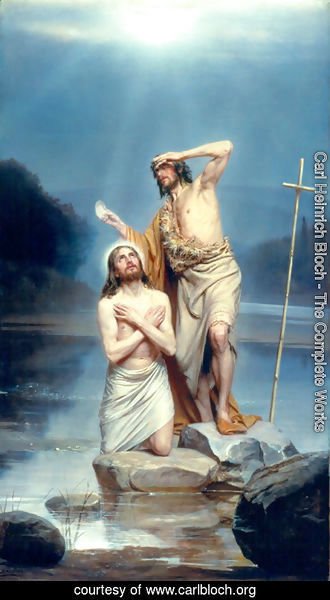
"Amen, amen, I say to you, unless a grain of wheat falls to the ground and dies, it remains just a grain of wheat; but if it dies, it produces much fruit. " (John 12)
Photo copyright : John R Portelli

Thursday, 26 January 2023

READINGS FOR SUNDAY, JANUARY 29, 2023

Fourth Sunday in Ordinary Time
Lectionary: 70

 Ir-Raba' Ħadd taż-Żmien ta’ Matul is-Sena


Reading 1                ZEPHENAIAH 2:3; 3:12-13

Seek the LORD, all you humble of the earth, who have observed his law; seek justice, seek humility; perhaps you may be sheltered on the day of the LORD's anger. But I will leave as a remnant in your midst a people humble and lowly, who shall take refuge in the name of the LORD: the remnant of Israel. They shall do no wrong and speak no lies; nor shall there be found in their mouths
a deceitful tongue; they shall pasture and couch their flocks with none to disturb them.

QARI 1                mill-Ktieb tal-Profeta Sofonija 2:3; 3:12-13


Fittxu lill-Mulej ilkoll,  intom, l-umli tal-art, li tagħmlu ordnijietu, fittxu l-ġustizzja, fittxu l-umiltà; biex forsi f’jum il-korla tal-Mulej ikollkom fejn tistkennu. “U nħalli f’nofsok poplu umli u mċekken”. U f’isem il-Mulej ifittxu l-kenn dawk li jifdal minn Iżrael. Ma jagħmlux ħażen, ma jgħidux kliem b’ieħor, u lsien qarrieq ma jibqax iżjed f’fommhom, hekk li joqogħdu jirgħu u jistrieħu bla ma jbeżżagħhom ħadd.  Il-Kelma tal-Mulej.


Responsorial Psalm               PSALM 146:6-7, 8-9, 9-10


The LORD keeps faith forever,
secures justice for the oppressed,
gives food to the hungry.
The LORD sets captives free.
R. Blessed are the poor in spirit; the kingdom of heaven is theirs!

The LORD gives sight to the blind;
the LORD raises up those who were bowed down.
The LORD loves the just;
the LORD protects strangers.
R. Blessed are the poor in spirit; the kingdom of heaven is theirs!

The fatherless and the widow the LORD sustains,
but the way of the wicked he thwarts.
The LORD shall reign forever;
your God, O Zion, through all generations. Alleluia.
R. Blessed are the poor in spirit; the kingdom of heaven is theirs!


SALM RESPONSORJALI               Salm 145(146):7,8-9a,9bc-10

R/. (Mt 5:3): Henjin il-foqra fl-ispirtu.


Il-Mulej jagħmel ħaqq lill-maħqurin,
u jagħti l-ħobż lill-imġewħin.
Il-Mulej jeħles lill-imjassrin. R/.

Il-Mulej jiftaħ għajnejn l-għomja;
il-Mulej jerfa’ lill-milwijin;
il-Mulej iħobb lill-ġusti;
il-Mulej iħares lill-barranin. R/.

Hu jżomm lill-iltim u lill-armla,
imma lill-ħżiena jħarbtilhom triqathom.
Il-Mulej isaltan għal dejjem;
Alla tiegħek, Sijon, minn nisel għal nisel. R/.


Reading 2               1 CORINTHIANS 1:26-31

Consider your own calling, brothers and sisters. Not many of you were wise by human standards, not many were powerful, not many were of noble birth. Rather, God chose the foolish of the world to shame the wise, and God chose the weak of the world to shame the strong, and God chose the lowly and despised of the world, those who count for nothing, to reduce to nothing those who are something, so that no human being might boast before God. It is due to him that you are in Christ Jesus, who became for us wisdom from God, as well as righteousness, sanctification, and redemption, so that, as it is written, "Whoever boasts, should boast in the Lord."

QARI 2                  mill-Ewwel Ittra lill-Korintin 1:26-31

Ħuti, qisu s-sejħa tagħkom: għax mhumiex ħafna fostkom li huma għorrief skond il-qies tad-dinja; mhumiex ħafna s-setgħana, mhumiex ħafna n-nobbli. Imma Alla għażel in-nies boloh għad-dinja biex iħawwad l-għorrief; għażel id-dgħajfa tad-dinja biex iħawwad il-qawwija; għażel il-mistmerra mid-dinja, u n-nies li ma huma xejn, biex iġib fix-xejn lil dawk li huma xi ħaġa. Hekk ebda bniedem ma jkun jista’ jiftaħar quddiem Alla. Minnu li intom tinsabu fi Kristu Ġesù li sar għalina l-għerf mingħand Alla, ġustizzja, qdusija u fidwa, biex bħalma hu miktub, min jiftaħar, ħa jiftaħar fil-Mulej.  Il-Kelma tal-Mulej.

Gospel               MATTHEW 5:1-12a

When Jesus saw the crowds, he went up the mountain, and after he had sat down, his disciples came to him. He began to teach them, saying: "Blessed are the poor in spirit, for theirs is the kingdom of heaven. Blessed are they who mourn, for they will be comforted. Blessed are the meek, for they will inherit the land. Blessed are they who hunger and thirst for righteousness, for they will be satisfied. Blessed are the merciful, for they will be shown mercy. Blessed are the clean of heart, for they will see God. Blessed are the peacemakers, for they will be called children of God. Blessed are they who are persecuted for the sake of righteousness, for theirs is the kingdom of heaven. Blessed are you when they insult you and persecute you and utter every kind of evil against you falsely because of me. Rejoice and be glad, for your reward will be great in heaven."

EVANĠELJU                Qari skond San Mattew 5:1-12a

F’dak iż-żmien, kif ra l-folol, Ġesù tala’ fuq il-muntanja, qagħad bilqiegħda, u esqu lejh id-dixxipli tiegħu. Fetaħ fommu u qabad jgħallimhom u jgħid: “Henjin il-foqra fl-ispirtu, għax tagħhom hija s-Saltna tas-Smewwiet. Henjin l-imnikkta, għax huma jkunu mfarrġa. Henjin ta’ qalbhom ħelwa, għax huma jkollhom b’wirthom l-art. Henjin dawk li huma bil-ġuħ u bl-għatx tal-ġustizzja, għax huma jkunu mxebbgħin. Henjin dawk li jħennu, għax huma jsibu ħniena. Henjin dawk li huma safja f’qalbhom,n għax huma jaraw lil Alla. Henjin dawk li jġibu l-paċi, għax huma jissejħu wlied Alla. Henjin dawk li huma ppersegwitati minħabba s-sewwa, għax tagħhom hija s-Saltna tas-Smewwiet. Henjin intom, meta jgħajrukom u jippersegwitawkom u jaqilgħu kull xorta ta’ ħażen u gideb kontra tagħkom minħabba fija. Ifirħu u thennew, għax ħlaskom kbir fis-smewwiet”. Il-Kelma tal-Mulej.


///////////////////////////////////////////////

Reflection on Sunday's Readings by Fr. Anthony Kadavil

OUR CHRISTIAN GOALS

Introduction:


Sunday’s readings define our Christian goal of eternal happiness and explain the attitudes and actions necessary to reach it. They form the outline for Christ-like living, noting the personal qualities expected of a disciple of Jesus and pointing out the way of life to be lived by a disciple.

They show us the values that Christ cares about. In essence, the Beatitudes both fulfill and complete the Ten Commandments which stress the “Thou shalt nots.” But Jesus presents the Beatitudes in a positive sense, as the virtues in life which will ultimately lead to the rewards of salvation – not in this world, but in the next.

Scripture lessons:

Zephaniah, in the first reading, calls the “moral minority” of the Jews of his time “blessed” because they seek justice, humility, truth, and righteousness, thus making a declaration of dependence on God. In the second reading, Paul advises his Corinthian Christians to use their gifts and Heaven-sent blessings for the good of the community because God has chosen to give them life in Jesus, by whom He justified, sanctified and redeemed them.

In Sunday’s Gospel, Jesus instructs his disciples in the paradoxical blessedness of poverty, hunger, sorrow, and persecution. In poverty, we recognize God’s reign; in hunger, His providence; in sorrow, true happiness; and in persecution, true joy. In other words, the blessed in Jesus’ list are poor in spirit, compassionate, meek, merciful, clean of heart, peace-makers and those who are willing even to be insulted and persecuted for their lived Faith in him.

Each of the inspired authors of today’s readings, Zephaniah, Paul, and Matthew, “makes a motion,” that each of us should consider making a personal Declaration of Dependence on God and then work with His grace to lead a holier and happier life.

Life messages:

1)
We need to respond to the challenge of the Beatitudes in daily life. The Beatitudes propose to us a way of life, inviting us to identify with the poor, those who mourn, the meek, and those who hunger and thirst after justice. They challenge us to be compassionate people, to be men and women who are pure in heart, and to become the peacemakers in our dealings with one another, in our families, and in the society at large, even when this approach to things exposes us to ridicule and persecution.

Let us remember that each time we reach out to help the needy, the sick, and the oppressed, we share with them a foretaste of the promises of the Beatitudes here and now.

2) We need to choose the way wisely. “There are two Ways, one of Life and one of Death, and there is a great difference between the two Ways.” These are the opening lines of the “Didache,” a first century Christian catechism used to teach new Christians the essence of the Christian faith. The way of life is the way of Jesus that leads to eternal life. The challenge of the beatitudes is: “Are you going to be happy in the world’s way or in Christ’s way?” God wants us to live as brothers and sisters who care for one another.

//////////////////////////////////////     © 2023, Fr. Anthony Kadavil - https://frtonyshomilies.com


Thursday, 19 January 2023

 CALLED TO THE LIGHT

Readings for January 22, 2023

Third Sunday in Ordinary Time
Lectionary: 67

 It-Tielet Ħadd taż-Żmien ta’ Matul is-Sena

 
Reading 1               
ISAIAH 8:23—9:3

First the Lord degraded the land of Zebulun and the land of Naphtali; but in the end he has glorified the seaward road, the land west of the Jordan, the District of the Gentiles. Anguish has taken wing, dispelled is darkness: for there is no gloom where but now there was distress. The people who walked in darkness have seen a great light; upon those who dwelt in the land of gloom a light has shone. You have brought them abundant joy and great rejoicing, as they rejoice before you as at the harvest, as people make merry when dividing spoils. For the yoke that burdened them, the pole on their shoulder, and the rod of their taskmaster you have smashed, as on the day of Midian.

QARI 1                mill-Ktieb tal-Profeta Iżaija 8:23b–9:3

Alla bħalma qabel fl-imgħoddi kien mela bl-għajb l-art ta’ Żebulun u l-art ta’ Naftali, hekk issa fl-aħħar isebbaħ it-triq tal-baħar ’l hemm mill-Ġordan, il-Galilija tal-ġnus. Il-poplu li kien miexi fid-dlam ra dawl kbir; in-nies li joqogħdu f’art id-dlam dawl idda fuqhom. Int kattart il-ġens, kabbart l-hena; huma ferħu quddiemek, bħalma jifirħu fi żmien il-ħsad, bħalma jifirħu fi qsim il-priża. Għax il-madmad li kien itaqqlu, u l-ħatar ta’ fuq spallejh, u l-bastun tal-argużin, int kissirthom bħal f’jum Midjan. Il-Kelma tal-Mulej.

Responsorial Psalm                PSAlM 27:1, 4, 13-14

The LORD is my light and my salvation;
whom should I fear?
The LORD is my life’s refuge;
of whom should I be afraid?
R. The Lord is my light and my salvation.

One thing I ask of the LORD; this I seek:
To dwell in the house of the LORD
all the days of my life,
That I may gaze on the loveliness of the LORD
and contemplate his temple.
R. The Lord is my light and my salvation.

I believe that I shall see the bounty of the LORD
in the land of the living.
Wait for the LORD with courage;
be stouthearted, and wait for the LORD.
R. The Lord is my light and my salvation.

SALM RESPONSORJALI               Salm 26(27):1,4,13-14

R/. (1a): Il-Mulej id-dawl u s-salvazzjoni tiegħi.


Il-Mulej id-dawl u s-salvazzjoni tiegħi;
minn min għandi nibża’?
Il-Mulej hu l-kenn tiegħi;
quddiem min għandi nitwerwer? R/.

Ħaġa waħda tlabt lill-Mulej,
ħaġa waħda nfittex:
li ngħammar f’dar il-Mulej
tul il-jiem kollha ta’ ħajti;
biex nitgħaxxaq bil-ħlewwa tal-Mulej
jien u nħares lejn it-tempju tiegħu. R/.

Nemmen li għad nara t-tjieba tal-Mulej f’art il-ħajjin.
Ittama fil-Mulej, żomm sħiħ u qawwi qalbek;
ittama fil-Mulej. R/.

Reading 2               1 CORINTHIANS 1:10-13, 17


I urge you, brothers and sisters, in the name of our Lord Jesus Christ, that all of you agree in what you say, and that there be no divisions among you, but that you be united in the same mind and in the same purpose. For it has been reported to me about you, my brothers and sisters, by Chloe’s people, that there are rivalries among you. I mean that each of you is saying, “I belong to Paul,” or “I belong to Apollos,” or “I belong to Cephas,” or “I belong to Christ.” Is Christ divided? Was Paul crucified for you? Or were you baptized in the name of Paul? For Christ did not send me to baptize but to preach the gospel, and not with the wisdom of  human eloquence, so that the cross of Christ might not be emptied of its meaning.

QARI 2                 mill-Ewwel Ittra lill-Korintin  1:10-13,17

Nitlobkom, ħuti, f’isem Sidna Ġesù Kristu, biex tkunu taqblu fi kliemkom u ma jkunx hemm firdiet fostkom. Kunu magħqudin kif imiss, ħsieb wieħed u fehma waħda. Ħuti, in-nies ta’ Kloji qaluli fuqkom li fostkom hemm it-tilwim: irrid ngħid jien, li kull wieħed minnkom qiegħed jgħid: “Jiena ta’ Pawlu”, “U jiena ta’ Apollo”, “U jiena ta’ Kefa”, “U jiena ta’ Kristu”. Jaqaw Kristu mifrud? Forsi Pawlu kien li ssallab għalikom jew f’isem Pawlu tgħammidtu? Kristu ma bagħatnix biex ngħammed iżda biex inxandar l-Evanġelju, mhux bi kliem l-għerf sabiex ma jiġix fix-xejn is-salib ta’ Kristu. Il-Kelma tal-Mulej.

Gospel               MATTHEW 4:12-23

When Jesus heard that John had been arrested, he withdrew to Galilee. He left Nazareth and went to live in Capernaum by the sea, in the region of Zebulun and Naphtali, so that what had been said through Isaiah the prophet might be fulfilled: Land of Zebulun and land of Naphtali, the way to the sea, beyond the Jordan, Galilee of the Gentiles, the people who sit in darkness have seen a great light, on those dwelling in a land overshadowed by death light has arisen. From that time on, Jesus began to preach and  “Repent, for the kingdom of heaven is at hand.” As he was walking by the Sea of Galilee, he saw two brothers, Simon who is called Peter, and his brother Andrew, casting a net into the sea; they were fishermen. He said to them, “Come after me, and I will make you fishers of men.” At once they left their nets and followed him. He walked along from there and saw two other brothers, James, the son of Zebedee, and his brother John. They were in a boat, with their father Zebedee, mending their nets. He called them, and immediately they left their boat and their father and followed him. He went around all of Galilee, teaching in their synagogues, proclaiming the gospel of the kingdom, and curing every disease and illness among the people. 

EVANĠELJU               Qari skond San Mattew 4:12-23

Meta Ġesù sama’ li kienu arrestaw lil Ġwanni, warrab lejn il-Galilija. Telaq minn Nażaret u mar joqgħod Kafarnahum, qrib il-baħar, fl-inħawi ta’ Żebulun u Naftali, biex hekk iseħħ dak li kien ingħad permezz tal-profeta Iżaija, meta qal: “Art ta’ Żebulun, u art ta’ Naftali, it-triq tal-baħar, art ’il hemm mill-Ġordan, Galilija tal-ġnus! Il-poplu li kien qiegħed fid-dlam ra dawl kbir; dawk li kienu f’art u dell il-mewt idda dawl għalihom”. Minn dak iż-żmien Ġesù beda jxandar u jgħid: “Indmu għax is-Saltna tas-Smewwiet waslet”. Huwa u jdur ma’ xatt il-baħar tal-Galilija lemaħ żewġt aħwa, Xmun jgħidulu Pietru, u ħuh Indrì, qegħdin jixħtu x-xbiek fil-baħar, għax kienu sajjieda. U qalilhom: “Ejjew warajja, u nagħmilkom sajjieda tal-bnedmin”. U minnufih telqu x-xbiek, u marru warajh. Wara li mexa minn hemm ra żewġt aħwa oħra, Ġakbu ta’ Żebedew u ħuh Ġwanni, qegħdin fid-dgħajsa ma’ missierhom Żebedew isewwu x-xbiek tagħhom, u sejħilhom. Minnufih telqu d-dgħajsa u lil missierhom, u marru warajh. Ġesù dar il-Galilija kollha jgħallem fis-sinagogi tagħhom, ixandar l-Evanġelju tas-Saltna u jfejjaq kull xorta ta’ mard u dgħufija fost il-poplu. Il-Kelma tal-Mulej.

////////////////////////////////////////////////////////

Reflection on Sunday's Readings by Fr Fr. Anthony Kadavil

FROM DARK TO LIGHT

Introduction:


Sunday’s readings show that the early Christians understood how Jesus had fulfilled the expectations of ancient Israel. Describing the humble beginning of the public ministry of Jesus, Sunday’s Scripture readings teach us that Christ has brought us from the darkness of sin into the Light of God (4:16) by calling us to repentance (4:17) and the acceptance of God’s rule over us. (You may add a homily starter anecdote)

Scripture lessons summarized:

The first reading contains the prophetic reference to Christ as the Light that dispels darkness. Matthew wanted his readers to recognize that the Light of which Isaiah spoke had finally appeared with the coming of Jesus. The refrain for Sunday’s Responsorial Psalm (Ps 27) reminds us, The Lord is my Light and my Salvation.

The second reading advises the Corinthians to live as children of the Light, avoiding divisions and rivalries, because several factions had arisen among the Corinthian Christians, each claiming allegiance to its first Christian teacher or to a particular Apostle.

In Sunday’s Gospel passage (Mt 4:12-23), Matthew explains that what Isaiah prophesied has been fulfilled through the preaching and healing ministry of Jesus.By his ministry of inviting people to the Kingdom of God through repentance, Jesus has brought Light to peoples living in darkness, thus fulfilling God’s original promise.

In addition, the Gospel describes the call of the first disciples (4:18-22), and Jesus’ own preaching, teaching, and healing ministry which has led people to repent of their sins and accept the Good News of God’s rule (the Kingdom of God). He has also chosen ordinary fishermen with no formal training in Mosaic Law to preach the Good News, and they have been very effective instruments in the hands of the Holy Spirit, continuing Jesus’ mission to the world.

Life messages:

    1)
We need to appreciate our call to be Christ’s disciples: Every one of us is called by God, both individually and as Church members, to be His disciple. The call is both a privilege and responsibility. The mission of preaching, teaching and healing which Jesus began in Galilee is now the responsibility of the Church and of each individual Christian.

Our response to the call begins with our reception of Baptism and Confirmation, the Sacraments of Initiation. That response is meant to be strengthened through the years by the Eucharist and Reconciliation and to be made manifest in Matrimony or Holy Orders. We are healed and consoled in the Anointing which also prepares us for death. As we respond to Christ’s call, we gain spiritual strength through our personal and family prayers, our Sacramental life and our faithful study of the Bible and the Church’s teachings.

    2) We need to proclaim the Good News of the Kingdom: When we receive the Sacrament of Confirmation, we are sent forth to proclaim the Good News of the Kingdom and to defend the Catholic Faith. Each of us Christians has received a unique call to preach the Good News of God’s love, mercy, forgiveness, and salvation through our daily life.

This call challenges us to rebuild our lives, homes, and communities in the justice and peace that Jesus proclaims. As we continue with the celebration of the Holy Mass, let us ask the Lord Jesus to give us the strength and perseverance to answer his calling, so that we may faithfully serve the Lord, doing His Divine will as best as we can by cooperating with His grace.

//////////////////////////////////////     © 2023, Fr. Anthony Kadavil - https://frtonyshomilies.com

>>>>>>>>>>>>>>>>>>>>>>>>>>>>>>>>>>>>>>


Thursday, 12 January 2023

A CHALLENGE TO LIVE LIKE THE LAMB

Readings for January 15, 2022

Second Sunday in Ordinary Time
Lectionary: 64


Qari tat-Tieni Ħadd taż-Żmien ta’ Matul is-Sena


Reading 1               ISAIAH 49:3, 5-6


The LORD said to me: You are my servant, Israel, through whom I show my glory. Now the LORD has spoken who formed me as his servant from the womb, that Jacob may be brought back to him and Israel gathered to him; and I am made glorious in the sight of the LORD, and my God is now my strength! It is too little, the LORD says, for you to be my servant, to raise up the tribes of Jacob, and restore the survivors of Israel; I will make you a light to the nations, that my salvation may reach to the ends of the earth.

Qari 1                mill-Ktieb tal-Profeta Isaija 49:3,5-6


Il-Mulej qalli: “Iżrael, inti l-qaddej tiegħi, bik jiena nkun imfaħħar”. Issa tkellem il-Mulej, li minn ġuf ommi għamilni qaddej tiegħu, biex għandu nraġġa’ lura lil Ġakobb, u biex Iżrael jinġabar miegħu mill-ġdid – għax jien kont imfaħħar f’għajnejn il-Mulej, u Alla tiegħi kien il-qawwa tiegħi – u Hu qalli: “Tkun ħaġa żgħira wisq għalik, li inti tkun il-qaddej tiegħi, biex tqajjem it-tribù ta’ Ġakobb, u traġġa’ lura l-fdal ta’ Iżrael. Jien nagħmel minnek dawl għall-ġnus, biex is-salvazzjoni tiegħi sa truf l-art tinfirex”. Il-Kelma tal-Mulej.

 Responsorial Psalm               PSALM 40:2, 4, 7-8, 8-9, 10

R. (8a and 9a) Here am I, Lord; I come to do your will.


I have waited, waited for the LORD,
and he stooped toward me and heard my cry.
And he put a new song into my mouth,
a hymn to our God.
R. Here am I, Lord; I come to do your will.

Sacrifice or offering you wished not,
but ears open to obedience you gave me.
Holocausts or sin-offerings you sought not;
then said I, "Behold I come."
R. Here I am, Lord; I come to do your will.

"In the written scroll it is prescribed for me,
to do your will, O my God, is my delight,
and your law is within my heart!"
R. Here am I, Lord; I come to do your will.

I announced your justice in the vast assembly;
I did not restrain my lips, as you, O LORD, know.
R. Here am I, Lord; I come to do your will.

SALM RESPONSORJALI               Salm 39(40):2,4ab,7-8a,8b-9,10

R/. (8a,9a): Hawn jien, Mulej, ġej nagħmel ir-rieda tiegħek.

Ittamajt b’tama qawwija fil-Mulej;
hu niżel ħdejja u sama’ l-għajta tiegħi.
Qegħedli fuq fommi għanja ġdida,
għanja ta’ tifħir lil Alla tagħna. R/.

Int ma titgħaxxaqx b’sagrifiċċji u b’offerti;
imma widnejja inti ftaħtli;
ma tlabtnix vittmi tal-ħruq u tat-tpattija.
Imbagħad jien għedt: “Hawn jien, ġej”. R/.

“Fil-bidu tal-ktieb hemm miktub fuqi
li nagħmel ir-rieda tiegħek.
Alla tiegħi, dan jogħġobni;
il-liġi tiegħek ġewwa qalbi”. R/.

Xandart il-ġustizzja f’ġemgħa kbira;
xufftejja ma żammejthomx magħluqa.
Mulej, dan inti tafu. R/.

Reading 2               1 CORINTHIANS 1:1-3

 Paul, called to be an apostle of Christ Jesus by the will of God, and Sosthenes our brother, to the church of God that is in Corinth, to you who have been sanctified in Christ Jesus, called to be holy, with all those everywhere who call upon the name of our Lord Jesus Christ, their Lord and ours. Grace to you and peace from God our Father and the Lord Jesus Christ.

QARI 2               Bidu tal-Ewwel Ittra lill-Korintin 1:1-3

Pawlu, li Alla ried isejjaħlu biex ikun appostlu ta’ Kristu Ġesù, u Sòsteni ħuna, lill-Knisja ta’ Alla li qiegħda f’Korintu; lil dawk li tqaddsu fi Kristu Ġesù, imsejħa biex ikunu qaddisin flimkien ma’ dawk kollha li f’kull pajjiż isejħu l-isem ta’ Ġesù Kristu, is-Sid tagħhom u tagħna; grazzja u sliem mingħand Alla missierna u l-Mulej Ġesù Kristu.   Il-Kelma tal-Mulej.     

Gospel               JOHN 1:29-34

John the Baptist saw Jesus coming toward him and said, "Behold, the Lamb of God, who takes away the sin of the world. He is the one of whom I said, 'A man is coming after me who ranks ahead of me because he existed before me.' I did not know him, but the reason why I came baptizing with water was that he might be made known to Israel." John testified further, saying, "I saw the Spirit come down like a dove from heaven and remain upon him. I did not know him, but the one who sent me to baptize with water told me, 'On whomever you see the Spirit come down and remain, he is the one who will baptize with the Holy Spirit.'Now I have seen and testified that he is the Son of God."

EVANĠELJU                Qari mill-Evanġelju skond San Ġwann 1:29-34

F’dak iż-żmien, Ġwanni, ra lil Ġesù riesaq lejh, u qal: “Araw il-Ħaruf ta’ Alla, li jneħħi d-dnub tad-dinja. Dan hu li għalih għedtilkom: ‘Warajja ġej bniedem li hu aqwa minni, għax kien qabli’. Anqas jien stess ma kont nafu, imma jien għalhekk ġejt ngħammed bl-ilma, biex hu jkun mgħarraf lil Iżrael”. U Ġwanni xehed għalih u qal: “Jiena rajt l-Ispirtu nieżel mis-sema bħal ħamiema u joqgħod fuqu. Tabilħaqq, anqas jien ma kont nafu; imma dak li bagħatni ngħammed bl-ilma, hu stess qalli: ‘Fuq min tara l-Ispirtu jinżel u joqgħod, dak hu li jgħammed bl-Ispirtu s-Santu’. Dan rajtu b’għajnejja, u għalhekk xhedt, dan hu l-Iben ta’ Alla”.  Il-Kelma tal-Mulej.


///////////////////////////////////////////////

Reflection on Sunday's Readings by Fr Fr. Anthony Kadavil

 RENEWING OUR LIFE

  Introduction:


 The central theme of Sunday’s readings is a challenge to live like the Lamb of God and to die like the Lamb of God and thus bear witness to Christ the “Lamb of God.” We have to choose to accept John’s testimony in today’s Gospel as God’s personal and corporate call to us to become witnesses to the Lamb of God. (You may add a homily starter anecdote here)

 Scripture summarized:


  In both the first and second readings, God calls individuals to His service entrusting them with a mission. The first reading is from the “Songs of the Suffering Servant” in Isaiah, where the prophet was chosen by God from his mother’s womb and consecrated to be a “light to the nations.” Here,aspects of Jesus’ own life, as sacrificial lamb, and mission, as salvation of the world, are foreshadowed.

  In the second reading, Paul reminds the Corinthian Christians that they, like all who call on the name of Jesus, are “sanctified and called to be holy.” They are called by God and consecrated in Christ Jesus for a life of holiness and service. As believers, we too have been called by God to become members of Christ’s Body by our Baptism, and we are consecrated in Christ Jesus for a life of holiness and service.

The Gospel passage presents three themes, namely, the witness John the Baptist bears to Jesus, the revelation (epiphany) and identification of Jesus as the “Lamb of God,” and the call to discipleship. John’s first declaration probably brought five pictures of the “lamb” to the minds of his Jewish listeners.

    1) The Lamb of Yearly Atonement (Lv 16:20-22) used on Yom Kippur.
    2) The Lamb of Daily Atonement (Ex 29:38-42; Nm 28:1-8).
    3) The Paschal Lamb(Ex. 12:11ss).
    4)The Lamb of the Prophets(Jer 11:19), (Is 53:7).
    5) The Lamb of the Conquerors.

Life messages:


1) We need to live and die like the Lamb of God.

    (A) Live like a lamb by:
        i) leading pure, innocent, humble, selfless lives, obeying the Christ’s commandment of love;
        ii) appreciating the loving providence and protecting care of the Good Shepherd in His Church;
        iii) eating the Body and drinking the Blood of the Good Shepherd and deriving spiritual strength from the Holy Spirit through the Holy Bible, the Sacraments and our prayers.

    (B) Die like a sacrificial lamb by:
        i) the sacrificial sharing our blessings of health, wealth, and talents with others in the family, parish, and community;
        ii) bearing witness to Christ in our illness, pain, and suffering; iii) offering our sufferings for the salvation of souls and in reparation for our sins and those of others.

2) We need to be witnesses to the Lamb of God by our exemplary lives. Sunday’s Gospel reminds us that being a disciple of Jesus means that we are to grow by Faith to become witnesses for him. And bearing witness to Christ is an active, not passive, lifetime enterprise. One cannot be a disciple of Jesus at a distance, any more than one can be a distant lover.

3) We are invited to “Come and see.” The essence of our witnessing is to state what we have seen and believed and then to invite others to “come and see” our experience of Jesus. As with Andrew and John, Faith begins with our responding to Jesus’ invitation to “come and see.” We tell others about good restaurants, barbers, optometrists, etc. Why isn’t there the same fervor over inviting and encouraging people to come and participate in our Church activities?

If we are not willing to invite others into this experience, what does that say about our experiences with Christ and with our Church?

//////////////////////////////////////     © 2023, Fr. Anthony Kadavil - https://frtonyshomilies.com
>>>>>>>>>>>>>>>>>>>>>>>>>>>>>>>>>>>>>>

Thursday, 29 December 2022

THE SMALLEST MIRACLES ARE THE GREATEST

Readings for January 1, 2023

The Octave Day of Christmas
Solemnity of the Blessed Virgin Mary, the Mother of God

L-Imqaddsa Omm Alla Marija.

Solennità.


Reading 1               NUMBERS 6:22-27


The LORD said to Moses:  “Speak to Aaron and his sons and tell them:  This is how you shall bless the Israelites. Say to them:  The LORD bless you and keep you!  The LORD let his face shine upon  you, and be gracious to you!  The LORD look upon you kindly and   give you peace! So shall they invoke my name upon the Israelites,  and I will bless them.”

Qari 1                mill-Ktieb tan-Numri 6:22-27

Il-Mulej kellem lil Mosè u qallu: “Kellem lil Aron u lil uliedu u għidilhom: ‘Meta tbierku lil ulied Iżrael, hekk għandkom tgħidulhom:  Ibierkek il-Mulej u jħarsek! Jixħet il-Mulej id-dija ta’ wiċċu fuqek, u jurik il-ħniena! Iħares lejk il-Mulej bi mħabba, u jagħtik is-sliem!’. Hekk huma jsejħu ismi fuq ulied Iżrael, u jiena nberikhom”.  Il-Kelma tal-Mulej.


Responsorial Psalm               PSALM 67 : 2-3, 5, 6, 8

May God have pity on us and bless us;
may he let his face shine upon us.
So may your way be known upon earth;
among all nations, your salvation.
R. May God bless us in his mercy.

May the nations be glad and exult
because you rule the peoples in equity;
the nations on the earth you guide.
R. May God bless us in his mercy.

May the peoples praise you, O God;                                                         

May all the peoples praise you!
May God bless us,
and may all the ends of the earth fear him!
R. May God bless us in his mercy.

Salm Responsorjali               Salm 66(67):2-3,5,6,8

R/.(2a). Iħenn għalina Alla, u jberikna.
Iħenn għalina Alla, u jberikna;
idawwar għal fuqna d-dija ta’ wiċċu!
Biex jingħarfu fuq l-art triqatek,
fost il-ġnus kollha s-salvazzjoni tiegħek. R/.

Jithennew il-ġnus u jgħannu bil-ferħ,
għax trieġi l-popli bis-sewwa,
u l-ġnus fuq l-art inti tmexxihom. R/.

Ifaħħruk il-popli, o Alla,
ifaħħruk il-popli kollha.
Iberikna Alla, u tibża’ minnu
l-art kollha minn tarf għall-ieħor! R/.


Reading 2                 GALATIANS 4:4-7

Brothers and sisters:  When the fullness of time had come, God sent his Son,  born of a woman, born under the law,  to ransom those under the law,  so that we might receive adoption as sons. As proof that you are sons,  God sent the Spirit of his Son into our hearts,  crying out, “Abba, Father!” So you are no longer a slave but a son,  and if a son then also an heir, through God.

Qari 2                mill-Ittra ta’ San Pawl Appostlu lill-Galatin 4:4-7

Ħuti, meta waslet il-milja taż-żmien, Alla bagħat lil Ibnu, imwieled minn mara, imwieled taħt il-Liġi, biex jifdi lil dawk li kienu taħt il-Liġi, biex ikollna l-adozzjoni ta’ wlied. U għax intom ulied, Alla bagħat l-Ispirtu ta’ Ibnu f’qalbna jgħajjat: “Abbà! Missier!”. U hekk m’intix iżjed ilsir, iżda iben: u jekk iben, werriet ukoll bil-grazzja ta’ Alla.  Il-Kelma tal-Mulej.


Gospel               LUKE 2:16-21

The shepherds went in haste to Bethlehem and found Mary and Joseph,  and the infant lying in the manger. When they saw this,  they made known the message  that had been told them about this child. All who heard it were amazed  by what had been told them by the shepherds. And Mary kept all these things,  reflecting on them in her heart. Then the shepherds returned,  glorifying and praising God  for all they had heard and seen,  just as it had been told to them.  When eight days were completed for his circumcision,  he was named Jesus, the name given him by the angel  before he was conceived in the womb.

Evanġelju               Qari skond San Luqa 2:16-21

F’dak iż-żmien, ir-ragħajja marru jgħaġġlu, u sabu lil Marija u lil Ġużeppi, bit-tarbija mimduda f’maxtura. Kif raw dan, bdew jgħarrfu b’kulma kien intqal lilhom dwar dik it-tarbija, u kull min semagħhom baqa’ mistagħġeb b’dak li qalulhom ir-ragħajja. Marija, min-naħa tagħha, baqgħet tgħożż f’qalbha dawn il-ħwejjeġ kollha u taħseb fuqhom bejnha u bejn ruħha. Ir-ragħajja mbagħad reġgħu lura, isebbħu u jfaħħru lil Alla għal kulma kienu raw u semgħu, kif l-anġlu kien qalilhom. Meta wasal it-tmien jum biex lit-tifel jagħmlulu ċ-ċirkonċiżjoni, semmewh Ġesù, bl-isem li kien tah l-anġlu qabel ma tnissel fil-ġuf. Il-Kelma tal-Mulej.  


///////////////////////////////////////////////

Reflection on Sunday's Readings by Fr. Anthony Kadavil

Mary the Mother of God 

 PRAYERFUL NEW YEAR’S GREETINGS & GOD’S BLESSINGS

Thank you for being God’s instrument of blessing in my life by your valuable prayers and encouraging support for my Internet Gospel ministry in the past years. I assure you of my special prayers every day in the New Year 2023 during my Holy Masses. May the Holy Spirit of God continue to empower you and guide you in your ministry and strengthen you in your weakness. May God bless you every day of the New Year!

Introduction:

Since we celebrate the Feast of Mary, the Mother of God on New Year’s Day, may I take this opportunity to wish you all a Happy and Peaceful New Year? I pray that the Lord Jesus and His Mother Mary may enrich your lives during the New Year with an abundance of Divine blessings.

Sunday’s Feast of Mary, the Mother of God (also known as the Theotokos), is a very appropriate way to begin a new year, reminding us to rely on the powerful intercession of our Heavenly Mother. The Church also observes the World Day of Peace on this day and invites us to pray specially for lasting peace in the world throughout the New Year. (You may add an anecdote)

Scripture lessons summarized:

Today’s first reading gives us the beautiful Divine blessing from the book of Numbers for the New Year, and the Responsorial Psalm (Ps 67) begs for that blessing. In the second reading, Paul reminds the Galatians and us that God’s Son has become one of us through Mary and that it is through her son, Jesus that we have become the children of God.

Sunday’s Gospel describes how the shepherds spread to all their neighbors the Good News surrounding the birth of Jesus which the angel had revealed to them, and how Mary treasured “all these things” in her heart. The Gospel also tells us that on the day of Jesus’ Circumcision, the Child received the name Jesus that had been chosen by God Himself.

Traditional belief and Church doctrine:

We honour Mary primarily because God honoured her by choosing her to become the mother of Jesus, the Second Person of the Holy Trinity, when He took on human flesh and became man, as stated in the Bible. The angel said to Mary: “Do not be afraid, Mary, for you have found favour with God. And behold, you will conceive in your womb and bear a Son, and you shall call His Name Jesus. He will be great, and will be called the Son of the Most High…” (Lk 1:30-32).

After the Angel had received her consent to become the mother of Jesus, the Blessed Virgin Mary visited Elizabeth. At Mary’s greeting, Elizabeth said,” Blessed are you among women, and blessed is the fruit of your womb! And why is this granted to me, that the Mother of my Lord should come to me?” (Lk 1:42-43; RSV 2 Catholic) Hence, the Council of Ephesus affirmed in AD 431 that Mary was truly the Mother of God (Theotokos), and in AD 451, the Council of Chalcedon affirmed the Divine Motherhood of Mary as a dogma, an official doctrine of the Holy Catholic Church.

Life messages:

1)
Let us strive to be pure and holy like our Heavenly Mother. All mothers want their children to inherit or acquire their good qualities. Hence, let us honor Mary, our Heavenly Mother, by practicing her virtues of trusting Faith, obedience to the word of God, purity and humble, selfless, committed service.

2) Let us make the New Year meaningful by having every day
   a) some noble thing to dream,
   b) something good to do, and
   c) Someone to love, the first-person being Jesus.

3) Let us sanctify every day of the New Year:
   a) by offering every morning, all the activities of the day for God’s glory, thus transforming them into prayers,
   b) by asking for the anointing and strengthening of the Holy Spirit to do good to others and to avoid evil,
   c) by remaining faithful to our family prayers and Bible reading at night,
   d) by asking God’s pardon and forgiveness for our sins committed during the day    and e) by seeking God’s special protection during the sleep. Before we sleep, let us say, “Good night, Lord,” repeating Jesus’ last words from the cross, “Father, into Your hands I commend my spirit.”

//////////////////////////////////////     https://frtonyshomilies.com/

>>>>>>>>>>>>>>>>>>>>>>>>>>>>>>>>>>>>>>

Thursday, 22 December 2022


Readings for 
 December 25, 2022

The Nativity of the Lord (Christmas)
Mass during the Day    Lectionary: 16

It-Twelid ta’ Sidna Ġesù Kristu
Solennità – Quddiesa ta’ Binhar


Reading 1                 ISAIAH 52:7-10


How beautiful upon the mountains are the feet of him who brings glad tidings, announcing peace, bearing good news, announcing salvation, and saying to Zion,  “Your God is King!”  Hark!  Your sentinels raise a cry,  together they shout for joy,  for they see directly, before their eyes,  the LORD restoring Zion. Break out together in song, O ruins of Jerusalem! For the LORD comforts his people,  he redeems Jerusalem. The LORD has bared his holy arm in the sight of all the nations;  all the ends of the earth will behold the salvation of our God.

Qari 1                 mill-Ktieb tal-Profeta Iżaija 52:7-10

Kemm huma sbieħ fuq il-muntanji r-riġlejn ta’ min iħabbar il-bxara, ta’ min ixandar is-sliem, ta’ min iħabbar ir-riżq, ta’ min ixandar is-salvazzjoni, u jgħid lil Sijon: “Alla tiegħek isaltan”. Ismagħha l-għajta! L-għassiesa tiegħek għollew leħenhom, ilkoll flimkien jgħajtu bil-ferħ, għax raw b’għajnejhom lill-Mulej rieġa’ lura f’Sijon. Intom, ħerbiet ta’ Ġerusalemm, għajtu lkoll bil-ferħ, għax farraġ il-Mulej il-poplu tiegħu, feda lil Ġerusalemm. Kixef il-Mulej id-driegħ tiegħu qaddis, quddiem il-ġnus kollha, u raw it-truf kollha tal-art is-salvazzjoni ta’ Alla tagħna. Il-Kelma tal-Mulej.


Responsorial Psalm               PSALM 98:1, 2-3, 3-4, 5-6.

Sing to the LORD a new song,
   for he has done wondrous deeds;
his right hand has won victory for him,
   his holy arm.
R. All the ends of the earth have seen the saving power of God.

The LORD has made his salvation known:
   in the sight of the nations he has revealed his justice.
He has remembered his kindness and his faithfulness
   toward the house of Israel.
R. All the ends of the earth have seen the saving power of God.

All the ends of the earth have seen
   the salvation by our God.
Sing joyfully to the LORD, all you lands;
   break into song; sing praise.
R. All the ends of the earth have seen the saving power of God.

Sing praise to the LORD with the harp,
   with the harp and melodious song.
With trumpets and the sound of the horn
   sing joyfully before the King, the LORD.
R. All the ends of the earth have seen the saving power of God.

Salm Responsorjali               Salm 97(98):1,2-3ab,3ċd-4,5-6

R/. (3ċ): Raw it-truf kollha tal-art is-salvazzjoni ta’ Alla tagħna.


Għannu lill-Mulej għanja ġdida,
għax għamel ħwejjeġ tal-għaġeb.
Ġibitlu r-rebħa l-leminija tiegħu,
u d-driegħ imqaddes tiegħu. R/.

Għarraf il-Mulej is-salvazzjoni tiegħu,
f’għajnejn il-ġnus wera l-ġustizzja tiegħu.
Ftakar fit-tjieba u l-fedeltà tiegħu
mal-poplu ta’ Iżrael. R/.

L-art kollha, minn tarf għall-ieħor,
rat is-salvazzjoni ta’ Alla tagħna.
Għajtu bil-ferħ lill-Mulej fl-art kollha,
infexxu fil-hena, ifirħu u għannu! R/.

Għannu lill-Mulej biċ-ċetra,
biċ-ċetra u bil-ħlewwa tal-għana,
bit-trombi u bid-daqq tat-trumbetti;
għajtu bil-ferħ quddiem il-Mulej is-sultan! R/.

Reading 2                HEBREWS 1:1-6

Brothers and sisters: In times past, God spoke in partial and various ways to our ancestors through the prophets; in these last days, he has spoken to us through the Son, whom he made heir of all things and through whom he created the universe,        who is the refulgence of his glory,  the very imprint of his being,  and who sustains all things by his mighty word. When he had accomplished purification from sins,  he took his seat at the right hand of the Majesty on high, as far superior to the angels as the name he has inherited is more excellent than theirs. For to which of the angels did God ever say: You are my son; this day I have begotten you? Or again:  I will be a father to him, and he shall be a son to me? And again, when he leads the firstborn into the world, he says:    Let all the angels of God worship him. Alleluia

Qari 2                Bidu tal-Ittra lil-Lhud  1:1-6

Alla fl-imgħoddi kellem lil missirijietna ħafna drabi u b’ħafna manjieri permezz tal-profeti. Issa f’dan l-aħħar żmien huwa kellimna permezz ta’ Ibnu, li hu għamlu werriet ta’ kollox, u li bih ukoll għamel il-ħolqien. Hu, l-Iben, li hu d-dija tal-glorja ta’ Alla u x-xbieha tal-essenza tiegħu, u li jżomm id-dinja kollha bil-kelma setgħana tiegħu, wara li naddafna minn dnubietna, qagħad fuq il-lemin tal-kobor ta’ Alla fl-għoli tas-smewwiet, u b’hekk sar daqshekk aqwa mill-anġli daqskemm ogħla minn tagħhom hu l-isem li kiseb. Għax lil min mill-anġli qatt qal Alla: “Inti ibni, jiena llum nissiltek!”? Jew: “Jiena nkun missieru, u hu jkun ibni!”? Imbagħad, hu u jdaħħal lil Ibnu l-Kbir fid-dinja, jgħid ukoll: “Ħa jqimuh l-anġli kollha ta’ Alla”. Il-Kelma tal-Mulej.

Gospel                JOHN 1:1-18


In the beginning was the Word,  and the Word was with God,  and the Word was God.     He was in the beginning with God. All things came to be through him,  and without him nothing came to be. What came to be through him was life,  and this life was the light of the human race;  the light shines in the darkness,  and the darkness has not overcome it.  A man named John was sent from God.  He came for testimony, to testify to the light, so that all might believe through him. He was not the light, but came to testify to the light. The true light, which enlightens everyone, was coming into the world.  He was in the world, and the world came to be through him, but the world did not know him. He came to what was his own, but his own people did not accept him. But to those who did accept him he gave power to become children of God, to those who believe in his name, who were born not by natural generation nor by human choice nor by a man’s decision but of God. And the Word became flesh and made his dwelling among us, and we saw his glory, the glory as of the Father’s only Son, full of grace and truth. John testified to him and cried out, saying, “This was he of whom I said, ‘The one who is coming after me ranks ahead of me because he existed before me.’” From his fullness we have all received, grace in place of grace, because while the law was given through Moses, grace and truth came through Jesus Christ.No one has ever seen God. The only Son, God, who is at the Father’s side, has revealed him.

Evanġelju               Bidu tal-Evanġelju skont San Ġwann Ġw 1:1-18

Fil-bidu kien il-Verb, u l-Verb kien ma’ Alla, u l-Verb kien Alla. Hu kien fil-bidu ma’ Alla. Kollox bih sar, u xejn ma sar mingħajru;  kulma sar kellu l-ħajja fih, u l-ħajja kienet id-dawl tal-bnedmin. Id-dawl jiddi fid-dlam, imma d-dlam ma għelbux. Kien hemm raġel mibgħut minn Alla, jismu Ġwanni. Dan ġie bħala xhud, biex jixhed għad-dawl, biex bih kulħadd jemmen. Ġwanni ma kienx id-dawl, imma ġie biex jixhed għad-dawl, dak id-dawl veru, li jdawwal kull bniedem, huwa u ġej fid-dinja. Kien fid-dinja, u d-dinja saret bih, imma d-dinja ma għarfitux. Ġie f’daru, u niesu ma laqgħuhx. Imma lil dawk li laqgħuh tahom is-setgħa li jsiru wlied Alla, dawk li jemmnu f’ismu, li twieldu mhux mid-demm, anqas mill-ġibda tal-ġisem, u anqas mir-rieda tal-bnedmin, iżda minn Alla. U l-Verb sar bniedem u għammar fostna, u aħna rajna l-glorja tiegħu, il-glorja li għandu mill-Missier bħala Ibnu l-waħdieni, mimli bil-grazzja u l-verità. Ġwanni ta xhieda fuqu meta għajjat u qal: “Dan hu li għalih għedtilkom: Jiġi warajja, imma hu aqwa minni, għax kien minn qabli”. Għax mill-milja tiegħu aħna lkoll ħadna, grazzja fuq grazzja. Alla ta l-Liġi permezz ta’ Mosè imma l-grazzja u l-verità seħħu permezz ta’ Ġesù Kristu. Lil Alla għadu ħadd ma rah; imma għarrafhulna l-Iben il-waħdieni ta’ Alla, li hu fi ħdan il-Missier. Il-Kelma tal-Mulej.

 
///////////////////////////////////////////////

Reflection on Sunday's Readings by Fr Fr. Anthony Kadavil
        

MAY Jesus be reborn in your heart and life during Christmas 2022 and every day of  the New Year 2023.
        MAY He radiate His Presence from within you as sharing love,  unconditional forgiveness, humble service, a compass-ionate heart, and overflowing generosity.
            MAY the Holy Babe of Bethlehem bless you with health in body and 
soul and grant you a peaceful and blessed New Year.

 
Why do we celebrate Christmas with great rejoicing?


1: First, Christmas is the Feast of God’s sending us a Saviour: God undertook the Incarnation of Jesus as True God and true man to save us from the bondage of sin. The Hindus believe in ten incarnations of God. The purpose of these incarnations is stated in their Holy Scripture, Bagavath Geetha or Song of God. “God incarnates to restore righteousness in the world whenever there is a large-scale erosion of moral values.” (“Dharma samstaphanarthe sambhavami yuge yuge.”).

But the Christian Scriptures teach only one Incarnation, and its purpose is given in John 3:16: “For God so loved the world that He gave His only-begotten Son, that whoever believes in Him should not perish but have eternal life”— (RVS 2 Catholic).

We call our celebration of the Incarnation of God in a Baby today “Good News” because our Divine Saviour has been born. As our Saviour Jesus liberated us from our evil addictions and unjust, inpure and uncharitable tendencies.  Christmas 2022 also challenges us to accept Jesus in ythe manger as our saving God and personal Saviour  sins by his suffering, death, and Resurrection.

So, every Christmas reminds us that we need a Savior every day, to free us from our evil addictions and unjust, impure, and uncharitable tendencies. Christmas 2022 also challenges us to accept Jesus in the manger as our saving God and personal Saviour and to surrender our lives to him, allowing him to rule our hearts and lives every day in the New Year.

# 2: Second, Christmas is the Feast of God’s sharing His love with us: Jesus, as our Saviour, brought the “Good News” that our God is a loving, forgiving, merciful, rewarding God and not a judgmental, cruel, punishing God. He demonstrated by his life and teaching how God our Heavenly Father loves us, forgives us, provides for us, and rewards us.

All his miracles were signs of this Divine Love. Jesus’ final demonstration of God’s love for us was his own death on the cross to atone for our sins and to make us children of God. Each Christmas reminds us that sharing love with others is our Christian privilege and duty, and every time we do that, Jesus is reborn in our lives.

Let us humbly admit the truth with the German mystic Angelus Silesius “Christ could be born a thousand times in Bethlehem – but all in vain until He is born in me.” (https://en.wikiquote.org/wiki/Angelus_Silesius) Hence, let us allow Jesus to be reborn in our hearts and lives, not only during Christmas, but every day, so that he may radiate the Light of his Presence from within us as sharing and selfless love, expressed in compassionate words and deeds, unconditional forgiveness, the spirit of humble service, and overflowing generosity.

# 3: Third, Christmas is the Feast of the Emmanuel (God living with us and within us): Christmas is the feast of the Emmanuel because God in the New Testament is a God Who continues to live with us in all the events of our lives as the “Emmanuel” announced by the angel to Mary. Jesus lives in us as Emmanuel in the Sacraments (especially in the Holy Eucharist), in the Bible, in the praying community, and in each believer, as the Holy Spirit residing in us makes us His “Temples.”

Christmas reminds us that we are bearers of God with the missionary privilege and duty of conveying Jesus to those around us by loving them as Jesus did, through sacrificial, humble, committed service. Sharing with others Jesus, the Emmanuel living within us, is the best Christmas gift we can give, or receive, today.

//////////////////////////////////////     Copyright © 2022, Fr. Anthony Kadavil - All rights reserved.

>>>>>>>>>>>>>>>>>>>>>>>>>>>>>>>>>>>>>>

Thursday, 15 December 2022

LIFE CHANGING MOMENTS

Readings for December 18, 2022

Fourth Sunday of Advent
Lectionary: 10

Ir-Raba’ Ħadd tal-Avvent


Reading 1               ISAIAH 7:10-14


The LORD spoke to Ahaz, saying: Ask for a sign from the LORD, your God; let it be deep as the netherworld, or high as the sky! But Ahaz answered, "I will not ask!  I will not tempt the LORD!" Then Isaiah said: Listen, O house of David! Is it not enough for you to weary people, must you also weary my God? Therefore the Lord himself will give you this sign: the virgin shall conceive, and bear a son, and shall name him Emmanuel.

Qari 1                 mill-Ktieb tal-Profeta Iżaija 7:10-14

F’dak iż-żmien, il-Mulej issokta jkellem lil Aħaż u jgħidlu: “Itlob sinjal għalik mingħand il-Mulej, Alla tiegħek, f’qiegħ l-art jew fl-għoli tas-smewwiet”. U Aħaż wieġeb: “Ma nitlobx: ma rridx nittanta lill-Mulej”. U l-profeta wieġeb: “Isimgħu, mela, dar David! Mhux biżżejjed għalikom li tkiddu lill-bnedmin, biex issa se tkiddu lil Alla tiegħi? Għalhekk is-sinjal jagħtihulkom Sidi stess: Araw, ix-xebba titqal u tiled iben, u ssemmih Għimmanu-El”. Il-Kelma tal-Mulej.


Responsorial Psalm               PSALM 24:1-2, 3-4, 5-6.

The LORD's are the earth and its fullness;
the world and those who dwell in it.
For he founded it upon the seas
and established it upon the rivers.
R. Let the Lord enter; he is king of glory.   

Who can ascend the mountain of the LORD?
or who may stand in his holy place?
One whose hands are sinless, whose heart is clean,
who desires not what is vain.
R. Let the Lord enter; he is king of glory.

He shall receive a blessing from the LORD,
a reward from God his savior.
Such is the race that seeks for him,
that seeks the face of the God of Jacob.
R. Let the Lord enter; he is king of glory. 

Salm Responsorjali               Salm 23(24):1-2,3-4ab,5-6

R/.(7c,10b): Ħa jidħol il-Mulej, hu s-Sultan tal-glorja.


Tal-Mulej hi l-art u kulma fiha,
id-dinja u kulma jgħix fiha.
Għax hu fuq l-ibħra waqqafha
u fuq ix-xmajjar fis-sod qegħedha. R/.

Min jista’ jitla’ fuq l-għolja tal-Mulej,
min joqgħod fil-post imqaddes tiegħu?
Min għandu jdejh indaf u qalbu safja,
min ma jagħtix ruħu għall-frugħa. R/.

Dan ikollu barka mingħand il-Mulej,
u l-ħlas li ħaqqu minn Alla, is-Salvatur tiegħu.
Dan hu n-nisel ta’ dawk li jfittxuh;
li jfittxu ’l wiċċek, Alla ta’ Ġakobb. R/.


Reading 2               ROMANS 1:1-7


Paul, a slave of Christ Jesus, called to be an apostle and set apart for the gospel of God,
which he promised previously through his prophets in the holy Scriptures, the gospel about his Son, descended from David according to the flesh, but established as Son of God in power according to the Spirit of holiness through resurrection from the dead, Jesus Christ our Lord. Through him we have received the grace of apostleship, to bring about the obedience of faith, for the sake of his name, among all the Gentiles, among whom are you also, who are called to belong to Jesus Christ; to all the beloved of God in Rome, called to be holy. Grace to you and peace from God our Father and the Lord Jesus Christ.

Qari 2               Bidu tal-Ittra ta’ San Pawl Appostlu lir-Rumani 1:1-7

Pawlu, qaddej ta’ Kristu Ġesù, imsejjaħ biex ikun appostlu, maħtur għall-Evanġelju ta’ Alla. Dan hu l-Evanġelju li Alla kien wiegħed permezz tal-profeti fil-Kotba Mqaddsa dwar Ibnu Ġesù Kristu Sidna li, skond it-tnissil tal-ġisem, twieled min-nisel ta’ David, u, skond l-Ispirtu s-Santu, ġie rivelat bħala l-Iben ta’ Alla b’kull qawwa permezz tal-qawmien mill-imwiet. Bih aħna rċevejna l-grazzja tal-appostolat biex inwasslu għall-ubbidjenza tal-fidi l-bnedmin fost il-ġnus kollha għall-ġieħ ta’ ismu. Fosthom tinsabu intom ukoll, imsejħin biex tkunu ta’ Ġesù Kristu; lill-maħbubin kollha ta’ Alla li jinsabu Ruma msejħin biex ikunu qaddisin: grazzja lilkom u sliem mingħand Alla Missierna u Sidna Ġesù Kristu. Il-Kelma tal-Mulej.


Gospel                MATTHEW 1:18-24

This is how the birth of Jesus Christ came about. When his mother Mary was betrothed to Joseph, but before they lived together, she was found with child through the Holy Spirit. Joseph her husband, since he was a righteous man, yet unwilling to expose her to shame, decided to divorce her quietly. Such was his intention when, behold, the angel of the Lord appeared to him in a dream and said, "Joseph, son of David, do not be afraid to take Mary your wife into your home. For it is through the Holy Spirit that this child has been conceived in her. She will bear a son and you are to name him Jesus, because he will save his people from their sins." All this took place to fulfill what the Lord had said through the prophet: Behold, the virgin shall conceive and bear a son, and they shall name him Emmanuel, which means "God is with us." When Joseph awoke, he did as the angel of the Lord had commanded him and took his wife into his home.

Evanġelju               Qari skond San Mattew 1:18-24

It-tnissil ta’ Ġesù l-Messija sar hekk: ommu Marija, wara li tgħarrset ma’ Ġużeppi, qabel ma marru joqogħdu flimkien, saret omm bil-ħidma tal-Ispirtu s-Santu. Żewġha Ġużeppi, li kien raġel ġust u ma riedx ixandarha quddiem kulħadd, għamel il-ħsieb li jibgħatha bil-moħbi tan-nies. Meta kien għadu qiegħed jaħsibha, deherlu anġlu tal-Mulej fil-ħolm u qallu: “Ġużeppi, bin David, xejn la tibża’ tieħu għandek lil martek Marija għax dak li tnissel fiha ġej mill-Ispirtu s-Santu. Hi se jkollha iben, u inti ssemmih Ġesù, għax hu jsalva l-poplu tiegħu minn dnubiethom”. Dan kollu ġara biex iseħħ dak li kien qal il-Mulej permezz tal-profeta, meta qal: “Ara, ix-xebba tnissel u jkollha iben, u jsemmuh Għimmanu-El”, li bi lsienna jfisser “Alla magħna”. Ġużeppi, meta qam, għamel kif ordnalu l-anġlu tal-Mulej, u ħa lil martu għandu. Il-Kelma tal-Mulej.

 
///////////////////////////////////////////////

Spirituality of the Readings  //  by Fr John Foley, SJ 

 Fourth Sunday of Advent / Year A

An Inner Assurance

A dream changed Joseph’s life and ours. A mere dream, like what you and I have at night.

How trustworthy could this be?

And yet the safety of Mary and the child Jesus depended on it. In his dream (Gospel), an angel told him that Mary’s pregnancy was from the Holy Spirit of God. Mary had accepted readily but without really understanding. This angel of the Lord told him in the dream that he should not be afraid of the pregnancy, even though he was not yet married to this woman.

There can be a time when grace is so quietly strong that the person praying has an inner assurance that the experience did not come from imagination but from God.

Not be afraid? Already everyone could see that Joseph’s fiancé was “in a family way.” USA culture might applaud this fact, as it does when movie stars have children with whomever they please, whenever they please. In Biblical culture marriage was a sacred act [and not too long ago in our own], a participation in God’s own fidelity. It seemed that Mary had broken with that fidelity, at least as far as the townspeople could see. The Blessed Mother - a public sinner! No wonder Joseph was making arrangements for a “quiet divorce.”

So why in the world would he trust a dream? A friend of mine said he dreamed one night about a kangaroo sitting on his roof in a rocking chair, smoking a pipe! Should my friend keep a rocking chair on the roof from now on, just in case? No. We take dreams for what they probably are, a mechanism of our psyche that somehow helps us but does not give us literal truth. We do not trust dreams for life-changing messages.

Why did Joseph?

I think the answer has to do with something St. Ignatius of Loyola calls "discernment." In general, discernment is an examination of one's internal reactions to God (“movements”) in prayer.

There are many different kinds of interior movements to discern, but Ignatius notes a more rare one first. There can be a time when grace is so quietly strong that the person praying has an inner assurance that the experience did not come from imagination but from God. In this case, no doubts are possible.

You and I have to be careful not to get carried away by this notion. Probably many of us could convince ourselves that God or an angel spoke to us this morning. We need to discern which experiences are from God and which are not. Are they quiet? Do they lead toward God or away? What is the long-term result? A spiritual director could help us sort through such questions.

Joseph's dream must have been a movement of this kind. It contained a quiet certainty of the presence of God. No doubts followed it, in a situation when doubts would surely seem called for. It was like the face of a mother to an infant. Like the voice of a close friend.

Another way to put it is that Joseph already had much trust in God's love. This trust was in no way broken into, shattered or pulled to pieces by the dream. Instead the message fit right into the design of Joseph's life with God. And so he followed it.

What is your internal sense of the Christmas story? Is the birth of God an impossible tale reserved for children? Or do you find the roots of trust within yourself as Joseph did?

Pray for the open faith Joseph and Mary had.

//////////////////////////////////////     Copyright © 2022, John B. Foley, SJ - All rights reserved.

Friday, 9 December 2022

 ARE YOU THE ONE?

Readings for December 11, 2022


Third Sunday of Advent
Lectionary: 7

It-Tielet Ħadd tal-Avvent


Reading 1               ISAIAH 35:1-6a, 10


The desert and the parched land will exult; the steppe will rejoice and bloom. They will bloom with abundant flowers, and rejoice with joyful song. The glory of Lebanon will be given to them, the splendor of Carmel and Sharon; they will see the glory of the LORD, the splendor of our God. Strengthen the hands that are feeble, make firm the knees that are weak, say to those whose hearts are frightened: Be strong, fear not! Here is your God, he comes with vindication; with divine recompense he comes to save you. Then will the eyes of the blind be opened, the ears of the deaf be cleared; then will the lame leap like a stag, then the tongue of the mute will sing.  Those whom the LORD has ransomed will return and enter Zion singing, crowned with everlasting joy; they will meet with joy and gladness, sorrow and mourning will flee.

Qari 1                mill-Ktieb tal-Profeta Iżaija 35:1-6a,10

Ħa jifirħu d-deżert u l-art maħruqa; ħa jifraħ ix-xagħri u jwarrad, ħa jwarrad bħar-ranġis. Ħa tifraħ fuq li tifraħ, taqbeż u tgħanni. Sebħ il-Libanu jingħata lilha, il-ġmiel tal-Karmel u ta’ Saron.  Għad jaraw is-sebħ tal-Mulej, il-ġmiel ta’ Alla tagħna. Qawwu l-idejn mitruħa; saħħu l-irkopptejn imriegħda. Għidu lil dawk b’qalbhom imbeżżgħa: “Agħmlu l-ħila, la tibżgħux! Araw, Alla tagħkom ġej jitħallas; il-ħlas ta’ Alla wasal; Hu stess ġej biex isalvakom”. Imbagħad jinfetħu għajnejn l-għomja, jinfetħu widnejn it-torox. Imbagħad iz-zopp jaqbeż bħal għażżiela u lsien l-imbikkma jinħall bil-ferħ. Jerġgħu lura l-mifdijin tal-Mulej, u jidħlu f’Sijon jgħajtu bil-ferħ, b’ferħ ta’ dejjem fuq rashom. Il-ferħ u l-hena jiksbu, u jgħibu swied il-qalb u l-krib. Il-Kelma tal-Mulej.


Responsorial Psalm                PSALM 146:6-7, 8-9, 9-10.

The LORD God keeps faith forever,
secures justice for the oppressed,
gives food to the hungry.
The LORD sets captives free.
R. Lord, come and save us.

The LORD gives sight to the blind;
the LORD raises up those who were bowed down.
The LORD loves the just;
the LORD protects strangers.
R. Lord, come and save us.

The fatherless and the widow he sustains,
but the way of the wicked he thwarts.
The LORD shall reign forever;
your God, O Zion, through all generations.
R. Lord, come and save us.

Salm Responsorjali               Salm 146(147):7,8-9a,9bc-10

R/. (Iż 34:4): Ejja, Mulej, ħa ssalvana.


Il-Mulej iżomm kelmtu għal dejjem,
jagħmel ħaqq lill-maħqurin,
u jagħti l-ħobż lill-imġewħin.
Il-Mulej jeħles lill-imjassrin. R/.

Il-Mulej jiftaħ għajnejn l-għomja;
il-Mulej jerfa’ lill-milwijin;
il-Mulej iħobb lill-ġusti;
il-Mulej iħares lill-barranin. R/.

Hu jżomm lill-iltim u lill-armla,
imma lill-ħżiena jħarbtilhom triqathom.
Il-Mulej isaltan għal dejjem;
Alla tiegħek, Sijon, minn nisel għal nisel. R/.


Reading 2               JAMES 5:7-10

Be patient, brothers and sisters, until the coming of the Lord. See how the farmer waits for the precious fruit of the earth, being patient with it until it receives the early and the late rains. You too must be patient. Make your hearts firm, because the coming of the Lord is at hand. Do not complain, brothers and sisters, about one another, that you may not be judged. Behold, the Judge is standing before the gates. Take as an example of hardship and patience, brothers and sisters, the prophets who spoke in the name of the Lord.

Qari 2                 mill-Ittra ta’ San Ġakbu Appostlu 5:7-10

Ħuti, stabru, sa ma jasal il-Mulej. Ara, il-bidwi joqgħod b’sabar kbir jistenna l-frott għażiż tal-art, sa ma jieħu x-xita bikrija u mwaħħra. Stabru intom ukoll; qawwu qalbkom, għax il-miġja tal-Mulej hi fil-qrib. Il-Kelma tal-Mulej.


Gospel               MATTHEW 11:2-11

When John the Baptist heard in prison of the works of the Christ, he sent his disciples to Jesus with this question, "Are you the one who is to come, or should we look for another?" Jesus said to them in reply, "Go and tell John what you hear and see: the blind regain their sight, the lame walk, lepers are cleansed, the deaf hear, the dead are raised, and the poor have the good news proclaimed to them. And blessed is the one who takes no offense at me." As they were going off, Jesus began to speak to the crowds about John, "What did you go out to the desert to see? A reed swayed by the wind? Then what did you go out to see? Someone dressed in fine clothing? Those who wear fine clothing are in royal palaces. Then why did you go out?  To see a prophet? Yes, I tell you, and more than a prophet. This is the one about whom it is written: Behold, I am sending my messenger ahead of you; he will prepare your way before you. Amen, I say to you, among those born of women there has been none greater than John the Baptist; yet the least in the kingdom of heaven is greater than he."

Evanġelju                Qari skond San Mattew 11:2-11

F’dak iż-żmien, Ġwanni, li kien fil-ħabs, sama’ bl-għemejjel tal-Messija, u bagħat għandu tnejn mid-dixxipli tiegħu u qallu: “Inti huwa dak li għandu jiġi, jew nistennew lil ħaddieħor?”. Ġesù wieġeb u qalilhom: “Morru agħtu lil Ġwanni l-aħbar ta’ dak li qegħdin tisimgħu u taraw: l-għomja jaraw, iz-zopop jimxu, il-lebbrużi jfiqu, it-torox jisimgħu, il-mejtin iqumu, l-Evanġelju jixxandar lill-foqra. Hieni hu min ma jitfixkilx minħabba fija”.   Meta dawk telqu, Ġesù qabad ikellem lin-nies fuq Ġwanni: “Xi ħriġtu taraw fid-deżert? Qasba tixxejjer mar-riħ? Xi ħriġtu taraw? Raġel liebes fin? Dawk li jilbsu fin fil-palazzi tas-slaten issibhom. Mela xi ħriġtu taraw? Profeta? Iva, ngħidilkom, anzi xi ħaġa iżjed minn profeta. Dan hu li fuqu hemm miktub: ‘Ara, jiena nibgħat qablek il-ħabbâr tiegħi biex iħejji triqtek quddiemek’. Tassew, ngħidilkom, li fost ulied in-nisa ħadd ma qam akbar minn Ġwanni l-Battista. U b’danakollu l-iżgħar wieħed fis-Saltna tas-Smewwiet hu akbar minnu”. Il-Kelma tal-Mulej.


///////////////////////////////////////////////

Spirituality of the Readings - Third Sunday of Advent, Year A 

by Fr John Foley, SJ

Gifts  -

I have a new watch, an inexpensive one.  The old one had worn out. This new one has something I like very much, a second hand. I can watch the seconds tick by and I can “time” anything I want to.

But I also realise that we will miss the present by looking backward or forward too much.

Who wants to time things?

Well I do, especially when I get caught by a traffic light that changes to red just as I pull within a half a block. I glance at my wrist to see just how long the light sits on red. Some of them last—listen to this—a minute and fifteen seconds!

Imagine having to sit with nothing to do when you are late and in a hurry, with a mechanical device deciding for an entire minute and a quarter the second when you are allowed to go on!

As you can see, I need to put on some patience.

The Second Reading for Sunday says it this way:

    See the farmer await the yield of the soil.
    He watches it in winter and in spring rain.*


The farmer is attentive and tolerant because crops do not come up in a day. He has learned patience through many seasons.

How about those of us who are not farmers? How do we “put on” patience?

I think there are two parts to the answer.

First, I have noticed that when I am being impatient I am also failing to notice what is happening in the present time. I am stuck in the future worrying about what will occur and how to make it happen; about where I am supposed to be by now; and how the light will not let me go.

And a lot of us reside in the past instead of the present. We re-hash mistakes we made and finally think of a retort that would have topped someone's nasty remark, and so on.

The present moment is the only one we actually live in. The precious goodness of God makes everything exist right now, not tomorrow or yesterday, which are only memories or projections. We will miss the present by looking backward or forward too much.

Second, we need to recall that God makes the future safe. God has promised that, in ways we cannot understand, the crooked will be made straight. Our gnarled lives will be filled with goodness.

Patience is really a way of remembering the constant love of God, no matter how frightening or disconcerting the future may seem or may actually be. We need to slow down, look around, and live.

Think about Mary’s “be it done unto me,” her lifelong daily prayer, her nine months, her place at the cross. Notice that, when the angel gave her the annunciation, she did not demand guarantees and full details. She relied on God's love. She waited.

And, the Second Person of the Trinity, alive to earth’s ways, waited until it was time to come into the world as Jesus. Then when he sensed that he was hungry, he suckled at his mother's breast, burping only when the occasion presented itself, not before. And think of his years of being just a carpenter day after day. God's beloved, making a chair!

But that is Advent.

Christ is with you. His presence needs to grow.

Just open. Watch for the signs.

Patience, people!

//////////////////////////////////////     Copyright © 2022, John B. Foley, SJ - All rights reserved.

Wednesday, 30 November 2022

A CALL TO CHANGE

Readings for December 4, 2022

Second Sunday of Advent               Lectionary: 4

It-Tieni Ħadd tal-Avvent


Reading 1                ISAIAH 11:1-10  

On that day, a shoot shall sprout from the stump of Jesse, and from his roots a bud shall blossom. The spirit of the LORD shall rest upon him: a spirit of wisdom and of understanding, a spirit of counsel and of strength,  a spirit of knowledge and of fear of the LORD, and his delight shall be the fear of the LORD. Not by appearance shall he judge, nor by hearsay shall he decide, but he shall judge the poor with justice, and decide aright for the land's afflicted. He shall strike the ruthless with the rod of his mouth, and with the breath of his lips he shall slay the wicked. Justice shall be the band around his waist, and faithfulness a belt upon his hips. Then the wolf shall be a guest of the lamb, and the leopard shall lie down with the kid; the calf and the young lion shall browse together, with a little child to guide them. The cow and the bear shall be neighbors, together their young shall rest; the lion shall eat hay like the ox. The baby shall play by the cobra's den, and the child lay his hand on the adder's lair. There shall be no harm or ruin on all my holy mountain; for the earth shall be filled with knowledge of the LORD, as water covers the sea. On that day, the root of Jesse, set up as a signal for the nations, the Gentiles shall seek out, for his dwelling shall be glorious.

Qari 1                mill-Ktieb tal-Profeta Iżaija 11:1-10

Għad toħroġ fergħa miz-zokk ta’ Ġesse, għad tinbet rimja minn għeruqu: fuqu jistrieħ l-ispirtu tal-Mulej, l-ispirtu tal-għerf u d-dehen, l-ispirtu tal-għaqal u l-qawwa, l-ispirtu tal-għerf u l-biża’ tal-Mulej, u l-għaxqa tiegħu fil-biża’ tal-Mulej. Ma jiġġudikax skond ma jidher fl-għajnejn, u ma jagħtix sentenza skond ma jisma’, iżda jiġġudika l-imsejknin skond il-ġustizzja, u jagħti sentenza skond is-sewwa lill-fqajrin tal-art. Isawwat il-kiefra bix-xettru ta’ fommu, u b’nifs xufftejh joqtol lill-ħażin. Il-ħżiem ta’ ġenbejh tkun il-ġustizzja, u l-fedeltà l-ħżiem ta’ qaddu. Il-lupu jibda jgħix mal-ħaruf, il-leopard mal-gidi, u jirgħu flimkien l-għoġol u ferħ l-iljun, daqsxejn ta’ tfajjel isuqhom. Il-baqra u l-ors jirgħu flimkien,  u l-frieħ tagħhom flimkien jistrieħu. L-iljun bħall-gendus jiekol it-tiben. It-tarbija tal-ħalib titliegħeb fil-ħofra tas-serp; u t-tifel miftum idaħħal idu fil-bejta tal-lifgħa. Ma jagħmlux aktar deni u anqas ħsara fuq il-muntanja qaddisa kollha tiegħi, għax mimlija hi l-art bl-għarfien tal-Mulej bħalma l-baħar hu miksi bl-ilmijiet. Imbagħad jiġri f’dak il-jum li l-għerq ta’ Ġesse jieqaf bħala sinjal għall-popli. Lilu jfittxu l-ġnus, u l-għamara tiegħu tkun imsebbħa. Il-Kelma tal-Mulej.


Responsorial Psalm               PSALM 72:1-2, 7-8, 12-13, 17

O God, with your judgment endow the king,
and with your justice, the king's son;
he shall govern your people with justice
and your afflicted ones with judgment.
R. Justice shall flourish in his time, and fullness of peace for ever.

Justice shall flower in his days,
and profound peace, till the moon be no more.
May he rule from sea to sea,
and from the River to the ends of the earth.
R. Justice shall flourish in his time, and fullness of peace for ever.


For he shall rescue the poor when he cries out,
and the afflicted when he has no one to help him.
He shall have pity for the lowly and the poor;
the lives of the poor he shall save.
R. Justice shall flourish in his time, and fullness of peace for ever.


May his name be blessed forever;
as long as the sun his name shall remain.
In him shall all the tribes of the earth be blessed;
all the nations shall proclaim his happiness.
R. Justice shall flourish in his time, and fullness of peace for ever.

Salm Responsorjali               Salm 71(72):1,7-8,12-13,17

R/. (7): Tħaddar f’jiemu l-ġustizzja.


O Alla, agħti lis-sultan il-ħaqq tiegħek,
il-ġustizzja tiegħek lil bin is-sultan,
biex jiġġudika l-poplu tiegħek bil-ġustizzja,
u bil-ħaqq l-imsejknin tiegħek. R/.

Tħaddar f’jiemu l-ġustizzja,
u sliem kotran sa ma jintemm il-qamar.
Isaltan minn baħar sa baħar,
u mix-xmara sa truf l-art. R/.

Għax hu jeħles lill-fqir li jsejjaħlu,
u lill-imsejken li m’għandux min jgħinu.
Iħenn għad-dgħajjef u għall-fqajjar;
il-ħajja tal-fqajrin isalva. R/.

Ismu jibqa’ jissemma għal dejjem;
idum ismu sakemm iddum ix-xemx!
Bih jitbierku l-ġnus kollha tal-art;
il-popli kollha jsejħulu hieni. R/.

Reading 2               ROMANS 15:4-9

Brothers and sisters: Whatever was written previously was written for our instruction, that by endurance and by the encouragement of the Scriptures we might have hope. May the God of endurance and encouragement grant you to think in harmony with one another, in keeping with Christ Jesus, that with one accord you may with one voice glorify the God and Father of our Lord Jesus Christ. Welcome one another, then, as Christ welcomed you, for the glory of God. For I say that Christ became a minister of the circumcised to show God's truthfulness, to confirm the promises to the patriarchs, but so that the Gentiles might glorify God for his mercy. As it is written: Therefore, I will praise you among the Gentiles and sing praises to your name.

Qari 2                mill-Ittra ta’ San Pawl Appostlu lir-Rumani 15:4-9

Ħuti, kulma nkiteb fl-Iskrittura fl-imgħoddi nkiteb għat-tagħlim tagħna, biex bis-sabar u bil-faraġ li tagħtina l-Iskrittura aħna jkollna t-tama. Alla, li minnu ġej kull sabar u faraġ, jagħtikom il-grazzja li tkunu fehma waħda bejnietkom skond Kristu Ġesù, biex b’fomm wieħed u b’qalb waħda tfaħħru lil Alla u Missier Sidna Ġesù Kristu. Għalhekk ilqgħu lil xulxin bħalma Kristu wkoll laqa’ lilkom, għall-glorja ta’ Alla. Jiena ngħidilkom li Kristu sar qaddej tal-Lhud ċirkonċiżi minħabba l-fedeltà ta’ Alla, biex iseħħu l-wegħdiet li għamel lill-Patrijarki, u biex il-pagani wkoll ifaħħru lil Alla minħabba l-ħniena tiegħu, bħalma hu miktub: “Għalhekk jiena nfaħħrek fost il-ġnus u ngħanni tifħir ismek”. Il-Kelma tal-Mulej.


Gospel               MATTHEW 3:1-12

John the Baptist appeared, preaching in the desert of Judea and saying, "Repent, for the kingdom of heaven is at hand!" It was of him that the prophet Isaiah had spoken when he said: A voice of one crying out in the desert, Prepare the way of the Lord, make straight his paths. John wore clothing made of camel's hair and had a leather belt around his waist. His food was locusts and wild honey. At that time Jerusalem, all Judea, and the whole region around the Jordan were going out to him and were being baptized by him in the Jordan River as they acknowledged their sins. When he saw many of the Pharisees and Sadducees coming to his baptism, he said to them, "You brood of vipers! Who warned you to flee from the coming wrath? Produce good fruit as evidence of your repentance. And do not presume to say to yourselves, 'We have Abraham as our father.' For I tell you, God can raise up children to Abraham from these stones. Even now the ax lies at the root of the trees. Therefore every tree that does not bear good fruit will be cut down and thrown into the fire. I am baptizing you with water, for repentance, but the one who is coming after me is mightier than I. I am not worthy to carry his sandals. He will baptize you with the Holy Spirit and  fire. His winnowing fan is in his hand. He will clear his threshing floor and gather his wheat into his barn, but the chaff he will burn with unquenchable fire."

Evanġelju               Qari skond San Mattew 3:1-12

F’dawk il-jiem, deher Ġwanni l-Battista jipprietka fid-deżert tal-Lhudija u jgħid: “Indmu, għax is-saltna tas-smewwiet waslet”. Għax għalih kien ingħad permezz tal-profeta Iżaija, meta qal: “Leħen ta’ wieħed jgħajjat fid-deżert: Ħejju t-triq tal-Mulej, iddrittaw il-mogħdijiet tiegħu”.  Dan Ġwanni kellu fuqu libsa tax-xagħar tal-ġemel, bi ħżiem tal-ġild madwar qaddu, u l-ikel tiegħu kien ġradijiet u għasel selvaġġ. U kienet tmur għandu Ġerusalemm u l-Lhudija kollha u l-inħawi kollha ta’ madwar il-Ġordan, u kienu jitgħammdu minnu fix-xmara Ġordan huma u jistqarru dnubiethom. Kif ra bosta mill-Fariżej u mis-Sadduċej ġejjin għall-magħmudija tiegħu, qalilhom: “Ja nisel il-lifgħat, min uriekom kif għandkom taħarbu mill-korla li ġejja? Agħmlu mela frott xieraq tal-indiema, u taħsbux li tistgħu tgħidu fikom infuskom: ‘Għandna b’missier lil Abraham’. Ngħidilkom li Alla, minn dan l-istess ġebel, jista’ jqajjem ulied lil Abraham. Il-mannara ġa tressqet ma’ għerq is-siġra; u għalhekk, kull siġra li ma tagħmilx frott tajjeb titqaċċat u tinxteħet fin-nar. Jien, ngħid għalija, ngħammidkom bl-ilma għall-indiema; imma min ġej warajja hu aqwa minni, u jien ma jistħoqqlix inġorr il-qorq tiegħu. Hu jgħammidkom bl-Ispirtu s-Santu u n-nar. Il-midra qiegħda f’idu, biex iderri l-qiegħa tiegħu u jiġbor il-qamħ fil-maħżen, imma t-tiben jaħarqu b’nar li ma jintefiex”.  Il-Kelma tal-Mulej.


///////////////////////////////////////////////
Eight-minute  Gospel reflection by Fr Antony Kadavil   

Advent 2 - 

Reforming and renewing our lives for Jesus’ first coming

Introduction:


On the one hand, salvation is God’s doing, and we cannot earn His blessings. We are saved by His grace. On the other hand, we must cooperate with God’s grace because God cannot force his bounty upon us. That is why John the Baptist in Sunday’s Gospel summons us to play our essential part by leading lives of repentance, conversion, and renewal, thus preparing the way for the Lord’s second coming. We start this process by spiritually preparing for the annual celebration of Christmas, the Lord’s first coming, as we reform and renew our lives by repentance and works of charity.

Scripture lessons:

The first reading describes how God will reform the lives of His Chosen People by sending the Messiah. Because of the bad example of the unfaithful successors of King David, the Chosen People were wavering in their loyalty to Yahweh. Hence, in the first reading, the Lord God, through His prophet, Isaiah, tries to dispel their fears and to stir up hope among His people with His promise of a new Davidic King (a son of Jesse), who will establish peace and a glorious Kingdom of justice on earth.

In Sunday’s Responsorial Psalm (Ps 72), the Psalmist pictures the Messiah as one who will show compassion to the poor, the lowly, and the afflicted. In the second reading, Paul is praying for the reformation of the Jewish Christians of Rome and instructing them to draw endurance and encouragement from the Old Testament books. They are to live in harmony with Gentile Christians, accepting them as equals, brothers and sisters, while they wait together for the second coming of Jesus.

In the Gospel, John the Baptizer urges the Pharisees and Sadducees to give evidence that they mean to reform their lives so as to recognize and be ready to meet and accept the promised Messiah. He challenges them to repentance, conversion, and renewal. He tells the common people, who expect the Messiah to come soon, to act with justice and charity, letting their lives reflect the transformation that will occur when the Messiah enters their lives. In the same way, as we prepare to welcome Christ at Christmas, John advises us to “prepare the way of the Lord.”

Life messages:


1) We need to prepare for Christ’s coming by allowing him to be reborn daily in our lives: Advent is the time for us to make this preparation by repenting of our sins and renewing our lives through prayer, penance, and the sharing of our blessings with others. Let us humbly admit the truth with the German mystic Angelus Silesius “Christ could be born a thousand times in Bethlehem – but all in vain until He is born in me.” (https://en.wikiquote.org/wiki/Angelus_Silesius). He means that Jesus must be reborn in our heart during this season of Advent and every day of our lives, radiating his love, kindness, mercy, forgiveness, and spirit of humble service to the world through our lives.

2) We need to answer the call for a change of life. John the Baptist challenges our superficial attempts at change, demanding that, while we are obeying the commandments faithfully, we must correct our relationships with others, mend ruptures, soothe frictions, face family responsibilities, work honestly, and treat our employers and employees justly. 

Let us share our love with others as selfless and humble service. “Do small things but with great love” advise St. Theresa of Lisieux and St. Teresa of Calcutta (Mother Teresa). Therefore, following John’s advice, let us celebrate the memory of Jesus’ first advent, prepare for Jesus’ daily advent into our lives through the Sacraments and the Bible, and wait confidently for his second advent at our death and/or at the end of the world.

//////////////////////////////////////     http://frtonyshomilies.com