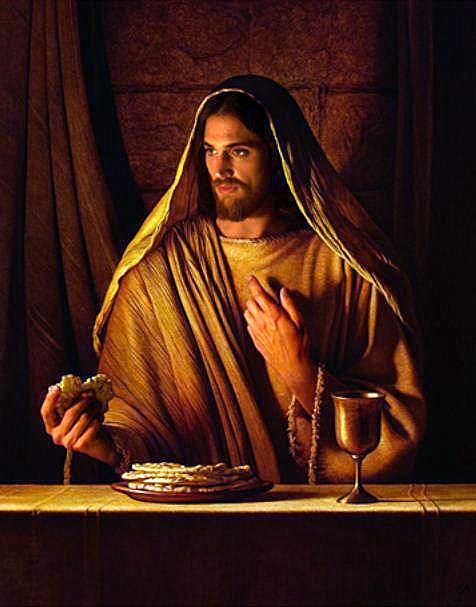
"Amen, amen, I say to you, unless a grain of wheat falls to the ground and dies, it remains just a grain of wheat; but if it dies, it produces much fruit. " (John 12)
Photo copyright : John R Portelli

Thursday, 23 August 2018

Our Holy Father’s Gift of Faith

Twenty-first Sunday in Ordinary Time

Il-21 Ħadd matul is-Sena B
Messalin B pp446 


Reading 1                
JOSHUA 24:1-2a, 15-17, 18b
Joshua gathered together all the tribes of Israel at Shechem, summoning their elders, their leaders, their judges, and their officers. When they stood in ranks before God, Joshua addressed all the people: "If it does not please you to serve the LORD,  decide today whom you will serve, the gods your fathers served beyond the River or the gods of the Amorites in whose country you are now dwelling. As for me and my household, we will serve the LORD." But the people answered, "Far be it from us to forsake the LORD for the service of other gods. For it was the LORD, our God, who brought us and our fathers up out of the land of Egypt, out of a state of slavery. He performed those great miracles before our very eyes and protected us along our entire journey and among the peoples through whom we passed. Therefore we also will serve the LORD, for he is our God."

L-Ewwel Qari
mill-Ktieb ta' Ġożwe 24, 1-2; 15-17)
F'dak iż-żmien:   Ġożwe' ġema' t-tribujiet kollha ta' Israel f'Sikem u sejjaħ lix-xjuħ  lill-kapijiet, lill-imħallfin lill-uffiċjali u resqu quddiem Alla. U  Ġożwe' qal lill-poplu kollu: "Jekk ma jogħġobkomx taqdu l-Mulej,  għażlu llum lil min tridu taqdu: jekk hux  l-allat li kienu jaqdu missirijietkom lil  hemm mix-xmara, jew  l-allat tal-Amurrin li  f'arthom qegħdin tgħammru.  Imma jien u dari naqdu  l-Mulej." U l-poplu kollu wieġeb u qal:   "Ma jkun qatt li  aħna nħallu l-Mulej biex naqdu  allat oħra!  Għax kien il-Mulej, Alla tagħna, li talla' lilna u  'l missirijietna mill-art ta' l-Eġittu, minn dar il-jasar, u  li għamel quddiemna stess dawk il-ħwejjeġ kbar, u ħarisna matul it-triq kollha li minna għaddejna u fost il-popli li minn ġo nofshom qsamna. Għalhekk aħna wkoll lill-Mulej naqdu, għaliex hu Alla tagħna." Il-Kelma tal-Mulej

Responsorial Psalm                     
PSALM 34:2-3, 16-17, 18-19, 20-21

R. (9a) Taste and see the goodness of the Lord.
I will bless the LORD at all times;
his praise shall be ever in my mouth.
Let my soul glory in the LORD;
the lowly will hear me and be glad.                             R/

The LORD has eyes for the just,
and ears for their cry.
The LORD confronts the evildoers,
to destroy remembrance of them from the earth.      R/

When the just cry out, the LORD hears them,
and from all their distress he rescues them.
The LORD is close to the brokenhearted;
and those who are crushed in spirit he saves.                       R/

Many are the troubles of the just one,
but out of them all the LORD delivers him;
he watches over all his bones;
not one of them shall be broken.                                            R/

Salm Responsorjali                                              
Salm 33 (34)

R/  Ippruuvaw u taraw kemm hu  tajjeb il-Mulej.
Kull ħin imbierek il-Mulej,
tifħiru dejjem fuq fommi.
Bil-Mulej tiftaħar ruħi;
jisimgħu l-fqajrin u jifirħu!                                            R/

Għajnejn il-Mulej lejn il-ġusti,
u widnejh miftuħa għall-għajta tagħhom.
Il-ħarsa tal-Mulej fuq il-ħżiena,
biex eqred minn fuq l-art tifkirithom.               R/

Jgħajtu  l-ġusti għall-għajnuna, u l-Mulej jismagħhom;
mid-dwejjaq kollha tagħhom jeħlishom.
Qrib il-Mulej lejn dawk b'qalbhom maqsuma,
jgħin lil dawk b'ruħhom mifnija.                                   R/

Kbar huma l-ħsarat tar-raġel sewwa,
iżda minnhom kollha jeħilsu l-Mulej.
Iħarislu għadmu kollha,
ebda waħda  ma titkissirlu.                                         R/

Il-ħażin ħżunitu teqirdu;
min jobgħod il-ġust iħallas għall-ħtija.
Jifdi l-Mulej il-ħajja tal-qaddejja tiegħu; 
kull min jistkenn fih ma jkollux ħtija xi jpatti.   R/

Reading 2                            
EPHESIANS 5:21-32
Brohers and sisters: Be subordinate to one another out of reverence for Christ.Wives should be subordinate to their husbands as to the Lord. For the husband is head of his wife just as Christ is head of the church, he himself the savior of the body. As the church is subordinate to Christ, so wives should be subordinate to their husbands in everything. Husbands, love your wives, even as Christ loved the church ad handed himself over for her to sanctify her, cleansing her by the bath of water with the word, that he might present to himself the church in splendor, without spot or wrinkle or any such thing, that she might be holy and without blemish. So also husbands should love their wives as their own bodies. He who loves his wife loves himself. For no one hates his own flesh but rather nourishes and cherishes it, even as Christ does the church, because we are members of his body. For this reason a man shall leave his father and his mother and be joined to his wife, and the two shall become one flesh. This is a great mystery, but I speak in reference to Christ and the church.

It-Tieni Qari
 mill-Ittra lill-Efesin 5, 21 -32
Ħuti,  oqogħdu għal xulxin fil-biża' ta' Kristu:Intom in-nisa oqogħoduu  għal żwieġhom, bħallikieku għall-Mulej, għax ir-raġel hu  r-ras il-mara bħalma Kristu hu r-ras il-Knisja, s-Salvatur tal-Ġisem tiegħu.   Għallhekk, bħalma l-Knisja toqgħod għal Kristu, hekk  ukoll  in-nisa għandhom joqogħdu għal żwieġhom f'kollox. Intom, l-irġiel, ħobbu n-nisa tagħkom, kif Kristu  ħabb il-Knisja u ta ħajtu għaliha.  U dan għamlu biex iqaddisha u jnaddafha bil-ħasil ta' l-ilma u l-kelma u biex  iressaqha quddiemu, din  il-Knisja, sabiħa, bla  tebgħa, bla tikmix, bla għajb, u b'xejn minn dan,  imma qaddisa u bla tmaqdir minn  ħadd. Hekk għandhom ukoll l-irġiel iħobbu n-nisa tagħhom bħalikienu ġisimhom stess.  Min iħobb 'il martu ikun iħobb lilu nnifsu. Qatt ħadd ma bagħad 'l-ġismu stess, iżda jmantnih u jieħu ħsiebu, bħalma jagħmel Kristu mal-Knisja, għax aħna lkoll membri tal-Ġisem tiegħu.   Għalhekk ir-raġel iħalli lil misieru u 'l ommu u jingħaqħad ma' martu,  u jsiru t-tnejn ġisem wieħed.Dan il-misteru – qiegħed ngħid għal Kristu u għall-Knisja  -  huwa kbir!     Il-Kelma tal-Mulej

Gospel                                                          
JOHN 6:60-69
Many of Jesus' disciples who were listening said, "This saying is hard; who can accept it?" Since Jesus knew that his disciples were murmuring about this, he said to them, "Does this shock you? What if you were to see the Son of Man ascending to where he was before? It is the spirit that gives life, while the flesh is of no avail. The words I have spoken to you are Spirit and life. But there are some of you who do not believe." Jesus knew from the beginning the ones who would not believe and the one who would betray him. And he said, "For this reason I have told you that no one can come to me unless it is granted him by my Father." As a result of this, many of his disciples returned to their  former way of life and no longer accompanied him. Jesus then said to the Twelve, "Do you also want to leave?" Simon Peter answered him, "Master, to whom shall we go? You have the words of eternal life. We have come to believe and are convinced that you are the Holy One of God."

L-Evanġelju
Qari mill-Evanġelju skont San Ġwann 6, 60 –69)
F'dak iż-żmien:,  Ġesu' tkellem fuq il-ħobż tal-ħajja. Hafna  dixxipli tiegħu, kif semgħuh, qalu: "Iebes dan il-kliem!  Min jiflaħ jisimgħu?"   Ġesu'  ntebaħ waħdu li d-dixxipli tiegħu  kienu  qiegħdin igergru fuq hekk, u  qalilhom: "Dan il-kliem  qiegħed ifixkilkom?  Mela xi tgħidu kieku kellkom taraw lil  Bin il-bniedem tiela' fejn kien qabel?   Hu l-Ispirtu  li jagħti l-ħajja, il-ġisem ma jiswa għal xejn.    Il-kliem li jien  għedtilkom huwa spirtu u  ħajja.   Iżda hemm xi wħud fostkom li ma jemmnux."   Għaliex Ġesu' kien jaf sa mill-bidu min kienu dawk li ma emmnux u min kien dak li kien sejjer jittradih.  U ssokta jgħidilhom:  "Kien għalhekk  li jiena għidtilkom  li ħadd ma jista'jiġi għandi jekk il-Missier ma jgħtix  li jiġi." Minn dakinhar bosta mid-dixxipli tiegħu telquh u ma baqgħux  imorru warajh.    Imbagħad Ġesu' qal lit-Tnax:  "Tridux titilqu  intom ukoll?"    Wieġbu Xmun Pietru:  "Mulej, għand min immorru?   Inti għandek il-kliem tal-ħajja ta' dejjem,  u aħna emminna u għarafna li inti l-Qaddis ta' Alla." Il-Kelma tal-Mulej

///////////////////////////

A reflection by Fr. Thomas Rosica, CSB

Do You Also Wish to Go Away?


In Sunday's Gospel (John 6:60-69), we hear of the mixed reactions of Jesus' disciples to the Bread of Life discourse that we have heard over the past weeks. Jesus provided bread, but his bread is not like the manna that God provided in the wilderness; this bread is himself, his very life; and those who eat it "will live forever."

As is often the case in John's Gospel, small, ordinary words such as bread and life are loaded with theological meaning. Centuries of Eucharistic theology and reflection give us a way to understand these words, but at the time they were first spoken, they were more than puzzling -- they probably were offensive to some people. Rightly reading the mood of his audience, Jesus says, "Does this offend you?"

Jesus' challenge sets up a critical turning point in the Gospel. Not only are we told that one of Jesus' followers would betray him; we also learn that some of those who had been following Jesus "turned back and no longer went about with him."

The group gets smaller as the stakes get higher. Whatever explanation Jesus gives, some choose to walk away, thus revoking their loyalty. John uses the word "disciples" for those who turn back. These were not casual or seasonal listeners: They were disciples who knew him and were most likely known by him.

You too?

Then Jesus called the Twelve together and put the question to them straightforwardly: "Do you also wish to go away?"

Peter plays the role of spokesperson, just as he does in the other Gospels: "Lord, to whom can we go? You have the words of eternal life." While the words are different, this exchange is much the same as Peter's confession at Caesarea Philippi. There, Jesus asks, "Who do people say that I am?" -- to which Peter responds, "You are the Messiah" (Mark 8:27-30). In both cases, the miracle of the feeding is the backdrop for the crucial question: who is Jesus really?
Paul's marriage challenge

If we want to find out how the relationship between a man and woman in marriage should be according to the Bible, we must look at the relationship between Christ and the Church. In today's second reading from the letter to the community at Ephesus, Paul exhorts married Christians to a strong mutual love.

At the origin and centre of every Christian marriage, there must be love: "You, husbands, love your wives, as Christ loved the Church and gave himself up for her." Paul's teaching on Christian marriage was difficult then as it is today.

Holding with Genesis 2:24 that marriage is a divine institution (Ephesians 5:31), Paul sees Christian marriage as taking on a new meaning symbolic of the intimate relationship of love between Christ and the Church. The wife should serve her husband in the same spirit as that of the Church's service to Christ (Ephesians 5:22, 24), and the husband should care for his wife with the devotion of Christ to the Church (Ephesians 5:25-30).

Paul gives to the Genesis passage its highest meaning in the light of the union of Christ and the Church, of which Christ-like loyalty and devotion in Christian marriage are a clear reflection (Ephesians 5:31-33).

Parts of Sunday's Ephesians reading can be problematic, especially when one takes the line, "wives should be subordinate to their husbands," out of context. Some have justified abuse of their spouse by taking this line (Ephesians 5:22) completely out of context. They have justified their bad behaviour, but the passage (v. 21-33) refers to the mutual submission of husband and wife out of love for Christ: "Husbands should love their wives as they love their own body, as Christ loves the Church."

The Scriptures cannot be used to justify violence toward, or abuse of, any other human being. The Gospel calls all of us to show mutual care and respect to one another. This must be present in any healthy marriage or other committed relationship.

This mutual love and respect must also extend to relationships between nations and other groups of people. It must be reflected in the structures and rules of our society. Mutuality and loving, selfless service are the keys to an authentic, loving marriage, and of just relationships.

A scandalous teaching

The depth and significance of Christ's message, and the teaching of the Church, scandalizes, in the sense that it is often a stumbling block for the disbeliever and it is a test for the believer.

The theme of scandal in the New Testament is connected with faith as free acceptance of the mystery of Christ. Before the Gospel we cannot remain indifferent, lukewarm, or evasive: The Lord calls each of us personally asking us to declare ourselves for him (cf. Matthew 10:32-33).

When we are faced with the difficult teachings of Jesus and the Church, do we also wish to go away? Is it not true that many times, because of the complexity of the issues and the pressures of the society around us, we may wish to "go away"?

Peter's response to Jesus' question -- "Do you also wish to go away?" -- in today's Gospel is striking. He doesn't say, "yes, of course," but he doesn't quite say "no" either.

Instead, in good Gospel-style, he answers back with another question: "To whom else can we go?" It is not the most flattering answer in the world, but it is honest. Peter and the others stay with Jesus precisely because he has been a source of life for them. Jesus has liberated them and given them a new life.

Following Jesus and the teaching of the Church may not always be easy or pleasant or even totally comprehensible, but when it comes to the eternal-life business, there's not much out there in the way of alternatives.

This week let us not forget the words of Jesus: "Whoever eats me will live because of me." Let us give witness to our Catholic faith and to God's plan that marriage be the sacred union of one man and one woman, to family life as the foundation of our society.

Blessed are we if we do not take offense but are led by these words to abundant life.

///////////////////////////////////////

Friday, 17 August 2018

I am the living bread that came down from heaven

Twentieth Sunday in Ordinary Time

L-20 Ħadd matul is-Sena B                     
Messalin B pp 441

Reading 1                                        
PROVERBS 9:1-6
Wisdom has built her house, she has set up her seven columns; she has dressed her meat, mixed her wine, yes, she has spread her table. She has sent out her maidens; she calls from the heights out over the city: “Let whoever is simple turn in here; To the one who lacks understanding, she says, Come, eat of my food, and drink of the wine I have mixed! Forsake foolishness that you may live; advance in the way of understanding.”

L-Ewwel Qari
Qari mill-Ktieb tal-Proverbji 9, 1-6
Il-Għerf  bena d-dar tiegħu, waqqaf  is-seba' kolonni tagħha; qatel il-bhejjem imsemmna, ħejja l-inbid  u l-mejda tiegħu. U  bagħat il-qaddejja jxandru   l-istedina minn  fuq l-imkejjen għolja tal-belt: "Min hu ċkejken ħa jiġi għandi!" U min hu bla moħħ jgħidlu: "Ejjew, kulu ħobż tiegħi u ixorbu l-inbid li ħejjejt għalikom. Warrbu l-bluħat tagħkom, u tgħixu, u timxu 'l quddiem fl-għaqal." Il-Kelma tal-Mulej

Responsorial Psalm                                 
PSALM 34:2-3, 4-5, 6-7
R. (9a) Taste and see the goodness of the Lord.
I will bless the LORD at all times;
his praise shall be ever in my mouth.
Let my soul glory in the LORD;
the lowly will hear me and be glad.                 R/

Glorify the LORD with me,
let us together extol his name.
I sought the LORD, and he answered me
and delivered me from all my fears.               R/

Look to him that you may be radiant with joy,
and your faces may not blush with shame.
When the poor one called out, the LORD heard,
and from all his distress he saved him.          R/

Salm Responsojali
Salm  33  (34)
            R/ Ippruvaw  u taraw kemm hu tajjeb il-Mulej
Kull  ħin inbierek 'il-Mulej.
Tifħiru dejjem f'fommi.
Bil-Mulej tiftaħar ruħi,
jisimgħu l-fqajrin u jifirħu!                                R/

Ibżgħu mill-Mulej, qaddisin tiegħu,
xejn ma  jonqsu min jibża' minnu.
Is-setgħana jiftaqru u jbata l-ġuħ;
min ifittex il-Mulej xejn ma jkun jonqsu.          R/

Ejjew, uliedi, isimgħu  lili;
jiena l-biża tal-Mulej ngħallimkom.
Min hu l-bniedem li jħobb il-ħajja,
u jixtieq jara għomru kullu riżq?                      R/

Ħares ilsienek mill-ħażen,
u  xofftejk minn kliem il-qerq.
Tbiegħed mill-ħażen u agħmel it-tajjeb,
fittex is-sliem u  imxi warajh.                           R/

Reading 2                            
EPHESIANS 5:15-20
Brothers and sisters: Watch carefully how you live, not as foolish persons but as wise, making the most of the opportunity, because the days are evil.  Therefore, do not continue in ignorance, but try to understand what is the will of the Lord.  And do not get drunk on wine, in which lies debauchery, but be filled with the Spirit, addressing one another in psalms and hymns and spiritual songs,  singing and playing to the Lord in your hearts, giving thanks always and for everything in the name of our Lord Jesus Christ to God the Father.

It-Tieni Qari
mill-Ittra lill-Efesin 5, 15-20
Ħuti,  qisu sewwa kif iġġibu ruħkom,  mhux bħal nies bla dehen, iżda bħal nies għorrief, li jgħożżu ż-żmien, għaliex ħżiena  huma l-jiem.  Għalhekk tkunux bla għaqal,  imma fittxu x'inhi  r-rieda tal-Mulej. U tiskrux bl-inbid, li fih hemm ħajja bla lġiem,  iżda mtlew bl-Ispirtu. Kantaw flimkien salmi,  innijiet u għana spiritwali;  kantaw u għannu  minn qalbkom lill-Mulej. Roddu dejjem ħajr għal kollox lil Alla u   l-Missier,f'isem Sidna Ġesu' Kristu. Il-Kelma tal-Mulej

Gospel                                              
JOHN 6:51-58
Jesus said to the crowds: “I am the living bread that came down from heaven; whoever eats this bread will live forever; and the bread that I will give is my flesh for the life of the world.” The Jews quarreled among themselves, saying, “How can this man give us his flesh to eat?”  Jesus said to them, “Amen, amen, I say to you, unless you eat the flesh of the Son of Man and drink his blood, you do not have life within you.  Whoever eats my flesh and drinks my blood has eternal life, and I will raise him on the last day.  For my flesh is true food, and my blood is true drink.  Whoever eats my flesh and drinks my blood remains in me and I in him.  Just as the living Father sent me and I have life because of the Father, so also the one who feeds on me will have life because of me.  This is the bread that came down from heaven.  Unlike your ancestors who ate and still died, whoever eats this bread will live forever.”

L-Evanġelju
Qari skond San Ġwann 6, 51 -58
F'dak iż-żmien,   Ġesu' qal lin-nies; "Jien hu l-ħobż ħaj, li niżel mis-sema.   Jekk xi ħadd jiekol minn dan il-ħobż jgħix għal dejjem. U l-ħobż jiena nagħti huwa ġismi għal ħajja ta' dejjem." Fuq hekk il-Lhud tlewwmu bejniethom, u bdew jgħidu: "Kif jista' dan jagħtina ġismu biex nikluh?"  Ġesu' mela, qalilhom:  "Tassew, tassew ngħidilkom jekk  ma tiklux  il-ġisem ta' Bin il-bniedem u ma tixorbux demmu, ma jkollkomx il-ħajja fikom.   Min jiekol ġismi u jixrob demmi għandu l-ħajja ta' dejjem,  u jiena  nqajmu mill-imwiet fl-aħħar jum.   Għax ġismi huwa ikel tassew, u demmi hu tassew  xorb. Min jiekol ġismi u jixrob demmi, jibqa fija u jiena fih. Bħalma bagħatni l-Missier,  li hu ħaj, u jien ngħix b'Missieri, hekk ukoll min jiekol lili,  hu wkoll igħix bija.   Dan huwa l-ħobż li niżel mis-sema; mhuwiex bħal dak  li kielu missirijietkom  u mietu; min jiekol dan  il-ħobż igħix għal dejjem." Il-Kelma tal-Mulej


//////////////////////////////
Health Food for the Soul
A reflection by Fr. Thomas Rosica, CSB

In chapter six of John's Gospel (vv. 41-51), Jesus speaks of himself as "the living bread that came down from heaven" and invites his hearers to "eat of this bread" -- that is, to believe in him.  He promises that those who do so will have eternal life. Jesus compares himself to the manna that came down from heaven to sustain the people of Israel in the wilderness. It is a vivid image that certainly evokes important memories for the people of Israel.

Then in John 6:51, Jesus says, "The bread that I will give for the life of the world is my flesh." Then his hearers ask: "How can this man give us his flesh to eat?" Did they respond in this way to give Jesus a chance to explain himself? Surely, they may have imagined, Jesus meant to say something else. After all, to eat someone's flesh appears in the Bible as a metaphor for great hostility (Psalms 27:2; Zechariah 11:9). The drinking of blood was looked upon as an abomination forbidden by God's law (Genesis 9:4, Leviticus 3:17; Deuteronomy 12:23).

Yet Jesus responds to the question by further explaining his initial declaration with explicit terms: "Unless you eat the flesh of the Son of Man and drink his blood, you have no life in you. Those who eat my flesh and drink my blood have eternal life, and I will raise them up on the last day, for my flesh is true food and my blood is true drink. Those who eat my flesh and drink my blood abide in me, and I in them."
No observant Jew would consider eating human flesh.  We may ask ourselves: "Why couldn't Jesus continue using such pleasant terms as "abiding," "dwelling," "living in me" terminology? Was he advocating pure cannibalism with such vivid imagery and language?

Flesh and blood

In today's Gospel, Jesus uses strong language to express the indissoluble union and inextricable participation of one life in another. Jesus uses sacrificial language. The Torah requires ritual sacrifice of animals and specifies how they are to be prepared and how their flesh is to be used. Some flesh is to be burned on the altar and other flesh is to be eaten.

Jesus makes his sacrifice on behalf of the world -- not just Israel (see also John 3:16-17). The Hebrew expression "flesh and blood" means the whole person. To receive the whole Jesus entails receiving his flesh and blood. To encounter Jesus means, in part, to encounter the flesh and blood of him.

For those who receive Jesus, the whole Jesus, his life clings to their bones and courses through their veins. He can no more be taken from a believer's life than last Saturday's dinner can be extricated from one's body.

True reception of Jesus

In our cerebral approach to religion we often assume that what really matters is believing some important religious dogmas or truths. Receiving Jesus can be reduced to a matter of intellectual assent. There are times, however, when we can be particularly grateful that the presence of Christ is not something that can be recognized cerebrally but can be received by other means as well.

The bread that Jesus used to feed the 5,000 on the mountaintop was something less than true bread because it satisfied the people's hunger only momentarily. By way of contrast, Jesus' flesh and blood are true food because "whoever eats of this bread will live forever" (v. 51) -- and "have eternal life" (v. 54).

"I am the living bread that came down from heaven" (v. 51a).  This "living bread" parallels the "living water" that Jesus offered the Samaritan woman (4:10).  To eat of this bread, in this context, means the once-and-for-all action of accepting or believing in Christ.

Historical background

It is important to be aware of two things that were happening at the time of the writing of this Gospel that might have influenced John to emphasize the eating of Jesus' flesh and the drinking of his blood.

The first was the influence of Docetic and Gnostic heresies, both of which considered flesh to be evil and denied that Christ could have a physical body. The second was Jewish discrimination against Christian believers. Christians who observed the Lord's Supper were likely to be banned from synagogues.

The Eucharist fulfils the meaning hidden in the gift of manna. Jesus thus presents himself as the true and perfect fulfillment of what was symbolically foretold in the Old Covenant. Another of Moses' acts has a prophetic value: To quench the thirst of the people in the desert, he makes water flow from the rock. On the "feast of Tabernacles," Jesus promises to quench humanity's spiritual thirst: "If anyone thirst, let him come to me and drink. He who believes in me, as Scripture says, 'Out of his heart shall flow rivers of living water'" (John 7:37-38).

The ways we eat

Our eating style reflects and affects who and what we are. It identifies our approach to life. If we examine various societies and cultures, we see that each has its traditional foods and food rituals. "I am of Italian descent. I often eat spaghetti, lasagna, tortellini alla panna, or pizza," or "I am a real American. I eat hamburgers, hot dogs, steak, Coke, and French fries."

"I am Québecois. I feast on poutine and drink maple syrup." The French eat crepes, Belgians eat waffles, Chinese eat rice, Palestinians and Israelis eat falafel, the Swiss eat chocolate, and Eskimos eat whale blubber. In short, the "way we eat" reveals how we identify ourselves. It reflects and often determines our worldview, our values, and our entire approach to life.

Foods are much more than just a collection of nutrients; they are a wealth of influences and connotations. Rare foods and spices are treasured as special culinary delights. Some foods are worshiped in various cultures as having an unusual holiness or are avoided altogether. The type of food we choose can affect our moods. Hot, spicy, or stimulating foods may influence many of us toward hot-temperedness or nervousness. Cooling foods can relax us and give us peace of mind. Foods can help us celebrate and can comfort us when we mourn. They are a sign of love and are a means of uniting people on many occasions.

The "ways we eat" are an important part of our heritage. The soul is not nourished by physical bread, as the body is. The food we eat is actually a combination of both a physical and a spiritual entity. The body is nourished by the physical aspects, or nutrients, contained in the foods we eat; the soul is nourished by the spiritual power which enlivens the physical substance of all matter, including food.

Catholic rather than catabolic?

The actual phrase "you are what you eat" didn't emerge in the English language until the 1920s and 30s, when the nutritionist Victor Lindlahr, a strong believer in the idea that food controls health, developed the Catabolic Diet. In 1942, Lindlahr published You Are What You Eat: How to Win and Keep Health With Diet. From that moment onward, the phrase entered the public consciousness.

For all who seek the presence of Christ, Jesus' teaching in John's Gospel is good news indeed: "We are what we eat." We become what we receive in the Eucharist. This week, let us examine our spiritual diets and look at the things that truly give us life, and those things that are junk foods that don't lead us to eternal life.
//////////////////////////////////

Thursday, 9 August 2018

The Bread of Life for Us all


Nineteenth Sunday in Ordinary Time

Id-19-il Hadd matul is-Sena
Il-Hobz tal-Hajja   
Messalin B  pp 436

Reading 1                                        
1 Kings 19:4-8
Elijah went a day's journey into the desert, until he came to a broom tree and sat beneath it. He prayed for death saying: "This is enough, O LORD! Take my life, for I am no better than my fathers." He lay down and fell asleep under the broom tree, but then an angel touched him and ordered him to get up and eat. Elijah looked and there at his head was a hearth cake and a jug of water. After he ate and drank, he lay down again, but the angel of the LORD came back a second time, touched him, and ordered, "Get up and eat, else the journey will be too long for you!" He got up, ate, and drank; then strengthened by that food,
he walked forty days and forty nights to the mountain of God, Horeb.

L-Ewwel Qari
Qari mill-Ewwel Ktieb tas-Slaten  19, 4 – 8
F'dak iz-zmien,  il-Profeta Elija rhiela lejn id-dezert. Wara jum mixi waqaf, inxtehet  taht sigra tal-gummar, talab li jmut,  u qal:  "Issa bizzejjed, Mulej; hudli 'l hajti,  ghax m'iniex ahjar minn missirijieti!" U mtedd ghad-dell tal-gummara u raqad. Kif  kien  rieqed  messu anglu u qallu:  "Qum u kul!" Elija dawwar  wiccu, u lemah hdejn rasu ftira mohmija u  garra ilma;  kiel  u xorob, u raga mtedd. Ghat-tieni darba gie l-anglu tal-Mulej u raga' messu u qallu: "Qum u kul, inkella ma  tkunx tiflah  ghall-mixja li fadallek." Elija qam, kiel u xorob, u bis-sahha ta' dak l-ikel u baqa'  miexi ghal erbghin jum u erbghin lejl sa ma wasal Horeb,  il-muntanja tal-Mulej. Il-Kelma tal-Mulej

 Responsorial Psalm                                 
PSALM 34:2-3, 4-5, 6-7, 8-9
 R/   Taste and see the goodness of the Lord.

I will bless the LORD at all times;
his praise shall be ever in my mouth.
Let my soul glory in the LORD;
the lowly will hear me and be glad.                 R/

Glorify the LORD with me,
Let us together extol his name.
I sought the LORD, and he answered me
And delivered me from all my fears.               R/

Look to him that you may be radiant with joy.
And your faces may not blush with shame.
When the afflicted man called out, the LORD heard,
And from all his distress he saved him.         R/

The angel of the LORD encamps
around those who fear him and delivers them.
Taste and see how good the LORD is;
blessed the man who takes refuge in him.     R/

Salm Responsorjali                                                                                  
Salm 33  (34)
 R/   Ippruvaw u taraw kemm hu tajjeb il-Mulej.

Kull hin inbierek il-Mulej,
tifhiru dejjem fommi.
Bil-Mulej tiftahar ruhi;
jisimghu l-fqajrin u jifirhu!                                R/       

Xandru l-kobor tal-Mulej mieghi,
ha nghollu ismu flimkien.
Jien fittixt il-Mulej, u wegibni,
u minn kull biza' tieghi helisni.             R/

Harsu lejh u tiddu bil-ferh wicckom
u ma jkollkomx  ghax tisthu.
Dan il-fqajjar sejjah u l-Mulej semghu,
u mid-dwejjaq tieghu kollha helsu.                  R/

L-anglu tal-Mulej jghasses
madwar dawk li jibzghu  minnu, u jehlishom.
Ippruvaw u taraw kemm hu tajjeb il-Mulej,
hieni l-bniedem li jistkenn fih.                          R/

Reading 2                                        
Ephesians 4:30-5:2
Brothers and sisters: Do not grieve the Holy Spirit of God, with which you were sealed for the day of redemption. All bitterness, fury, anger, shouting, and reviling must be removed from you, along with all malice. And be kind to one another, compassionate, forgiving one another as God has forgiven you in Christ. So be imitators of God, as beloved children, and live in love, as Christ loved us and handed himself over for us as a sacrificial offering to God for a fragrant aroma.

It-Tieni Qari
Qari mill-Ittra lill-Efesin 4, 30 –5,2)
Huti, tnikktux l-Ispirtu s-Sanntu  ta' Alla, li fih intom  issigillati  ghall-jum il-fidwa. Imrar, sahna, korla, taghjir, ghajjat, dan kollu warrbuh  minnkom, u  wkoll kull hazen iehor.   Kunu twajba ma' xulxin,  hennu ghal xulxin, ahfru lil xulxin, bhalma Alla hafer lilkom fi Kristu. Kunu, mela,  tixbhu lil Alla, bhala wlied mahbuba, u imxu  fl-imhabba, bhalma  Kristu wkoll habb lilna u ta lilu nnifsu  ghalina,  offerta u sagrificcju jfuhu quddiem Alla. Il-Kelma tal-Mulej

Gospel                                  
John 6:41-51
The Jews murmured about Jesus because he said, "I am the bread that came down from heaven," and they said, "Is this not Jesus, the son of Joseph? Do we not know his father and mother? Then how can he say, 'I have come down from heaven?'" Jesus answered and said to them, "Stop murmuring among yourselves. No one can come to me unless the Father who sent me draw him, and I will raise him on the last day. It is written in the prophets: They shall all be taught by God. Everyone who listens to my Father and learns from him comes to me. Not that anyone has seen the Father except the one who is from God; he has seen the Father. Amen, amen, I say to you, whoever believes has eternal life. I am the bread of life. Your ancestors ate the manna in the desert, but they died; this is the bread that comes down from heaven so that one may eat it and not die. I am the living bread that came down from heaven; whoever eats this bread will live forever; and the bread that I will give is my flesh for the life of the world."

L-Evangelju
Qari mill-Evangelju skond San Gwann  6, 41 – 51
F'dak iz-zmien,  il-Lhud bdew igergru fuq Gesu ghax kien qal:  "Jien hu l-hobz li nizel mis-sema". U bdew ighidu:  "Dan mhuwiex Gesu', bin Guzeppi? Lil missieru u 'l ommu ma nafuhomx?   Mela kif  qieghed jghid:  :"Jiena nzilt mis-sema"?" Gesu' wegibhom:  "Toqghodux  tgorru  bejnitkom." Hadd  ma jista' jigi ghandi jekk il-Missier li baghatni ma jigbdux lejja;  u jien nqajmu mill-imwiet fl-ahhar jum. Hemm  miktub fil-profeti:   "U kulhadd ikun imghallem  minn Alla."     Mela kull min jisma' lill-Missier u jitghallem minnu jigi ghandi.  Mhux ghax xi hadd qatt ra  lill-Missier  hlief  dak li hu minn Alla;  hu dan li ra  lill-Missier.    Tassew, tassew nghidilkom, min jemmen  ghandu l-hajja ta' dejjem. Jiena hu l-hobz tal-hajja.  Missirijietkom  kielu l-manna  fid-dezert, u mietu; dan hu l-hobz  nizel mis-sema, biex  min jiekol minnu ma jmutx. Jiena hu l-hobz haj,  li nizel mis-sema.   Jekk  xi hadd   jiekol minn dan il-hobz jghix ghal dejjem.    U l-hobz li  jiena naghti huwa gismi ghall-hajja tad-dinja." Il-Kelma tal-Mulej
 ///////////////////////////////
///////////////////

Elijah's Power Food, and Ours

Fr. Thomas Rosica, CSB

I have always loved reading the Elijah cycle in the Book of Kings. The first book, Chapter 18, portrays Elijah as an invincible prophet who fearlessly stands up to king and prophets, but he remains so extremely human in the process! Sunday's first reading from 1 Kings 19 presents us with the great prophet who is vulnerable and subject to discouragement and fear.

Let us situate today's story in 1 Kings. In Chapter 19 we have the aftermath of Elijah's brilliant victory in the contest with Jezebel and the priests of Baal atop Mount Carmel. Just when Elijah should have been triumphant, he receives a message telling him of Jezebel's murderous intentions, and he is "afraid" (v. 3). Elijah is persecuted for his faithfulness and for demanding total obedience to one God because such loyalty threatens the powers that be who have their own ideas about whom or what people should worship.

Israel's fiery prophet immediately flees south into the wilderness of the Negev Desert. His mood is one of defeat and desolation. After all he had done for the God of Israel, his victory now seems vitiated. He has not been given the divine protection he was promised, and he only wants to die: "It is enough; now, O Lord, take away my life, for I am no better than my ancestors." There, in the barren desert, Elijah lies down under "a solitary broom tree" and asks God to take his life, claiming that he is no better than his fathers. Elijah bemoans his discouragement at his lack of success in encouraging the Israelites to be faithful.

Energy from above

Suddenly, a messenger (angel) of the Lord awakens him and tells him to eat and drink. Whereas the wicked Jezebel sends a messenger of death to Elijah, the Lord God of Israel sends him a messenger of life, who serves Elijah food and water, two essentials for survival in the harsh wilderness.

Elijah eats, drinks, but then falls asleep again, indicating that he has not yet recovered from his lethargy or depression. The messenger wakes Elijah again and urges him to eat and drink, this time providing a reason, "or the journey will be too much for you" (19:7).

What can we learn from Elijah in the desert wilderness? Here is a man who has given his life totally in faithfulness to the God of Israel. He has been totally "zealous for the Lord." His desperate cry, "I am no better than my ancestors" reveals a man who no longer believes in himself. He had believed himself to be a spectacularly exemplary servant of God. No one could outdo him in his zealousness. Now he believes it has been all in vain!
Dark night of the soul

Yet the God of Israel does not give up on Elijah. God's teaching moment begins when Elijah's famed resourcefulness runs out. Angels from God are needed to feed him in his weakness. Then God leads him through a time of reflection in the wilderness. His journeying through the Negev wilderness lasts for the significant time of forty days and forty nights. As the Hebrews wandered earlier in the wilderness in search of God, this most zealous prophet and servant of the Lord is led on a similar journey. Eventually, Elijah comes to the sacred mountain of Horeb, where he spends the night in a dark cave. The dark cave and the dark night are reflective of his "dark night of the soul."

Mount Horeb is in some Old Testament traditions the name for Mount Sinai, the mountain associated with God's appearance. Forty days and nights in connection with Mount Sinai recalls the two sojourns of Moses on Sinai for forty days and nights (Exodus 24:18; 34:28). The point of this moving story is not just that Elijah makes a physical trip to Mount Horeb or Mount Sinai but rather something much more significant. In an act of sheer grace, God intervenes, provides the prophet with life-giving food and water, and suggests a pilgrimage to a mountain that is the place forever associated with the source and essence of Israelite faith.

The Elijah story speaks powerfully to those who are worn-out, fearful, or in need of renewal and recommitment to their original call. The story suggests a way forward -- eat and drink of God's life-giving sustenance, return to the core of faith, listen for God's still small voice. That may be the way to find new energy, new vision, and a new sense of purpose. Elijah must learn that God is not encountered in the sound and fury of loud and spectacular events. God will not be conjured up by the zealous or boisterous activity of the prophet who now stands quiet and broken atop the Lord's mountain.

Elijah discovers that God is encountered when the activity ceases and the words stop, when the heart is sad and the stomach is filled with pangs of hunger. When Elijah's mind and heart are finally empty of ambition and self-promotion, God is ultimately heard.

Bread of Life

For Elijah, for Jesus, and for us, bread is fundamental to life. Bread stands at the center of life. Bread is life. And in today's Gospel (John 6:41-51) we hear about Jesus, who is the Bread of Life. Christ is life: He is the bread of life. To eat Jesus' body and to drink his blood means more than just to believe in him. The image of Jesus as the "bread of life" is at the heart of what renewal in the mystery of Christ is about.

When Jesus says that he is "the bread of life," his emphasis is not on the bread as such but on himself as the "I" who declares it. Jesus is saying that what we long for to nourish our hungers is found in himself, the "I" who identifies his life with the bread he gives (cf. John 6:51). Jesus is more than mere bread for our bodily hunger. He is more than love to satisfy our emotional needs. He is the word that will satisfy our hunger for truth. He is bread for life itself: the total satisfaction for all our human hungers.

For all baptized believers the Eucharist is the primary way of celebrating and sustaining contact with the risen Lord. Let us consider for a moment the highly symbolic actions of Jesus as he gives us the living bread from heaven. Jesus took the bread. He has taken the bread of our lives and joined it with his own. Jesus blessed the bread. He has blessed us with his life. Baptism was the first moment of that blessing. Every other moment of contact with Jesus Christ is a deepening of that blessing.

Jesus broke the bread. Like Jesus, there are moments in our lives when we feel hurt, broken, lost, discouraged, disillusioned, empty, rejected, and without energy and hope. We are like Elijah under the broom tree, waiting for our life to end. Yet even in these fractured moments, the Lord Jesus is present to us.

Jesus gave the bread. He gave of his time and his touch. He gave encouragement but also his challenge. He gave both word and bread to feed and nourish. He gave most fully in giving himself. He gave till there was no more to give, declaring his life and work complete with the words, "It is finished" (John 19:30). Then bowing his head, he handed over his spirit, the same spirit he gave us when he appeared risen from the dead (cf. John 20:22).

In life, death, and resurrection, Jesus has given us a profound example and challenges us to do the same. "Go and do likewise" is both a challenge and a commission. It is the commission to live the mystery of being bread blessed and broken for others. When life seems to be breaking apart, we should not forget the lesson of the bread broken for us. It cannot be broken without being firmly held in both hands. When it comes to the breaking of bread, or of our lives, both hold the challenge of the mystery of faith.

Let us pray that our sharing in the Eucharistic bread and wine may transform us more and more into what we eat and drink, and that we might truly become living bread, broken and shared with all people.

///////////////////////////////////////

Thursday, 2 August 2018

Give us this Bread!


« Sunday, August 5 »
Eighteenth Sunday in Ordinary Time
Lectionary: 113

It-Tmintax-il Ħadd taż-Żmien ta’ Matul is-Sena

Reading 1
EXODUS 16:2-4, 12-15
The whole Israelite community grumbled against Moses and Aaron. The Israelites said  to them, "Would that we had died at the LORD's hand in the land of Egypt,as we sat by our fleshpots and ate our fill of bread! But you had to lead us into this desert to make the whole community die of famine!"  Then the LORD said to Moses, "I will now rain down bread from heaven for you. Each day the people  are to go out and gather their daily portion; thus will I test them, to see whether they follow my  instructions or not. "I have heard the grumbling of the Israelites.  Tell them: In the evening twilight you shall eat flesh, and in the morning you shall have your fill of bread, so that you may know that I, the LORD, am your God." In the evening quail came up and covered the camp. In the morning a dew lay all about the camp, and when the dew evaporated, there on the surface of the desert were fine flakes like hoarfrost on the ground. On seeing it, the Israelites asked one another, "What is this?" for they did not know what it was. But Moses told them, "This is the bread that the LORD has given you to eat."

Qari I
mill-Ktieb tal-Ezodu 16, 2-4.12-15
F’dak iż-żmien, fid-deżert, il-ġemgħa kollha ta’ wlied Iżrael bdew igergru kontra Mosè u Aron. Ulied Iżrael qalulhom: “Mhux li mitna b’id il-Mulej fl-art tal-Eġittu, meta konna ħdejn il-borom tal-laħam u konna nieklu ħobż bix-xaba’! Ħriġtuna f’dan id-deżert biex toqtlu bil-ġuħ din il-ġemgħa kollha!”. Il-Mulej imbagħad qal lil Mosè: “Ara, se nibagħtilkom xita ta’ ħobż mis-sema. Il-poplu kollu joħroġ u jiġbor minn jum għal ieħor kemm ikun jenħtieġ għall-ġurnata, biex hekk inġarrabhom u nara jimxux mal-liġi tiegħi jew le. Jien smajt it-tgergir ta’ wlied Iżrael. Kellimhom u għidilhom: ‘Filgħaxija tieklu l-laħam u filgħodu tixbgħu bil-ħobż. U tkunu tafu li jiena l-Mulej, Alla tagħkom’”. U ġara li filgħaxija dehret qatgħa summien tittajjar fl-għoli u għattiet it-tined kollha, u filgħodu kien hemm wiċċ nida madwar it-tined. Meta din in-nida għabet, fuq wiċċ id-deżert kien hemm xi ħaġa rqiqa qisha ġlata fuq l-art. Malli wlied Iżrael raw dan, bdew jgħidu wieħed lil ieħor: “Man-hu?” – Għax ma għarfux x’inhu. Mosè qalilhom: “Dan hu l-ikel li l-Mulej takom biex tieklu”. Il-Kelma tal-Mulej

Responsorial Psalm
PSALM 78:3-4, 23-24, 25, 54

What we have heard and know,
and what our fathers have declared to us,
We will declare to the generation to come
the glorious deeds of the LORD and his strength
and the wonders that he wrought.
R. The Lord gave them bread from heaven.

He commanded the skies above
and opened the doors of heaven;
he rained manna upon them for food
and gave them heavenly bread.
R. The Lord gave them bread from heaven.

Man ate the bread of angels,
food he sent them in abundance.
And he brought them to his holy land,
to the mountains his right hand had won.
R. The Lord gave them bread from heaven.

Salm Responsorjali
Salm 77 (78), 3.4bċ.23-24.25.54
  
Dak li smajna u tgħallimna,
dak li qalulna missirijietna,
inxandruh lin-nisel ta’ warajhom:
tifħir il-Mulej u l-qawwa tiegħu,
u l-għeġubijiet li għamel. R/.
 R/. (24b): Il-Mulej tahom il-qamħ mis-sema

Imma hu ordna s-sħab fl-għoli,
u fetaħ bwieb is-smewwiet;
u xita ta’ manna bagħtilhom x’jieklu,
tahom il-qamħ mis-sema. R/.
R/. (24b): Il-Mulej tahom il-qamħ mis-sema

Kull wieħed kiel il-ħobż tal-qalbenin,
ikel bix-xaba’ bagħtilhom.
U daħħalhom fl-art imqaddsa tiegħu,
fuq l-għolja li kisbet il-leminija tiegħu. R/.
 R/. (24b): Il-Mulej tahom il-qamħ mis-sema

Reading 2
EPHESIANS 4:17, 20-24
Brothers and sisters: I declare and testify in the Lord that you must no longer live as the
Gentiles do, in the futility of their minds; that is not how you learned Christ, assuming That you have heard of him and were taught in him, as truth is in Jesus, that you should put away the old self of your former way of life, corrupted through deceitful desires, and be renewed in the spirit of your minds, and put on the new self, created in God's way in righteousness and holiness of truth.

Qari II
Qari mill-Ittra ta’ San Pawl Appostlu lill-Efesin 4, 17.20-24
Ħuti, jiena dan ngħidilkom u nwissikom quddiem il-Mulej: li ma ġġibux iżjed ruħkom skont ma jġibu ruħhom il-pagani bil-bluha ta’ moħħhom. Imma intom mhux hekk tgħallimtu ’l Kristu – jekk intom smajtuh u tgħallimtuh skont il-verità li hi f’Ġesù - jiġifieri, li għandkom twarrbu l-ħajja tagħkom ta’ qabel u tinżgħu l-bniedem il-qadim, imħassar bix-xewqat tal-pjaċiri qarrieqa, u li għandkom tiġġeddu b’tibdila spiritwali tal-fehma tagħkom u tilbsu l-bniedem il-ġdid, maħluq skont Alla, fil-ġustizzja u l-qdusija tassew. Il-Kelma tal-Mulej

Gospel
JOHN 6:24-35
When the crowd saw that neither Jesus nor his disciples were there, they themselves got into boats and came to Capernaum looking for Jesus.  And when they found him across the sea they said to him, "Rabbi, when did you get here?" Jesus answered them and said, "Amen, amen, I say to you, you are looking for me not because you saw signs but because you ate the loaves and were filled. Do not work for food that perishes but for the food that endures for eternal life, which the Son of Man will give you. For on him the Father, God, has set his seal." So they said to him, "What can we do to accomplish the works of God?" Jesus answered and said to them, "This is the work of God, that you believe in the one he sent." So they said to him, "What sign can you do, that we may see and believe in you?  What can you do? Our ancestors ate manna in the desert, as it is written: He gave them bread from heaven to eat." So Jesus said to them, "Amen, amen, I say to you, it was not Moses who gave the bread from heaven; my Father gives you the true bread from heaven.  For the bread of God is that which comes down from heaven and gives life to the world." So they said to him, "Sir, give us this bread always." Jesus said to them, "I am the bread of life; whoever comes to me will never hunger, and whoever believes in me will never thirst."  

Evanġelju 
Qari mill-Evanġelju skont San Ġwann Ġw 6, 24-35
F’dak iż-żmien, in-nies meta ntebħu li fuq id-dgħajsa la kien hemm Ġesù u lanqas id-dixxipli tiegħu, telgħu fuq id-dgħajjes u marru lejn Kafarnahum ifittxu lil Ġesù. U meta sabuh in-naħa l-oħra tal-baħar staqsewh: “Rabbi, meta ġejt hawn?”. Ġesù weġibhom: “Tassew tassew ngħidilkom, intom qegħdin tfittxuni mhux għax rajtu sinjali, imma għax kiltu mill-ħobż u xbajtu. Tħabtu mhux għall-ikel li jgħaddi, iżda għall-ikel li jibqa’ għall-ħajja ta’ dejjem, dak li Bin il-bniedem jagħtikom, għaliex lilu Alla l-Missier immarka bis-siġill tiegħu”. Imbagħad staqsewh: “X’għandna nagħmlu biex nagħmlu l-opri ta’ Alla?” Weġibhom Ġesù: “L-opra ta’ Alla hija din: li intom temmnu f’dak li huwa bagħat”.Qalulu: “X’sinjal se tagħmel biex aħna narawh u nemmnuk? X’sejjer tagħmel? Missirijietna kielu l-manna fid-deżert, bħalma hemm miktub, ‘Tahom jieklu ħobż mis-sema’”. Weġibhom Ġesù: Tassew tassew ngħidilkom, mhux Mosè takom il-ħobż mis-sema, iżda Missieri jagħtikom il-ħobż tassew mis-sema; għaliex il-ħobż ta’ Alla huwa dak li jinżel mis-sema u jagħti l-ħajja lid-dinja”. Qalulu huma: “Sinjur, agħtina dejjem minn dan il-ħobż”. Weġibhom Ġesù: “Jiena hu l-ħobż tal-ħajja. Min jiġi għandi ma jieħdu qatt il-ġuħ, u min jemmen fija ma jkun qatt bil-għatx!”. Il-Kelma tal-Mulej

///////////////////////
Give Us This Bread Always!

A REFLECTION by Fr. Thomas Rosica, CSB

We can certainly understand God's frustration with his people in today's first reading from Exodus (16:2-4,12-15). The God of Israel has just delivered his people from slavery and has set them on the way to their promised land. Yet after crossing the Red Sea and celebrating their victory, the first recorded action in the Sinai proves to be grumbling and dissatisfaction, first over the bitter water at Mara (Exodus 15:22-27), and then more complaining and nostalgic longing for the fleshpots in the land of Egypt, where they were able to eat their fill! Into this setting of ingratitude and lamentation, God rains down bread from heaven (manna) and quail for their food. The Exodus passage (16:2-4,12-15) contrasts the nonbeliever (who grumbles that the manna and quail are meagre nourishment) with the believer (who sees these as God's generous gifts to the hungry).

A different kind of food

In today's Gospel text (John 6:24-35) that follows the miraculous multiplication of the loaves, Jesus says to the crowds who were seeking him: "Truly, truly I say to you, you seek me, not because you saw signs, but because you ate your fill of the loaves. Do not labour for the food which perishes, but for the food which endures to eternal life, which the Son of man will give to you" (John 6:26-27).

Jesus' hearers continue the conversation and ask him, "What must we do to perform the works of God?" (John 6:28). Jesus answers: "This is the work of God, that you believe in him whom he has sent" (John 6:29). It is an exhortation to have faith in the Son of Man, in the giver of the food that does not perish. Without faith in him whom the Father has sent, it is not possible to recognize and accept this gift which does not pass away.

The miraculous multiplication of the loaves had not evoked the expected response of faith in those who had been eyewitnesses of that event. They wanted a new sign: "Then what sign do you do, that we may see, and believe? What work do you perform? Our fathers ate the manna in the wilderness; as it is written: He gave them bread from heaven to eat'" (John 6:30-31). The disciples gathered around Jesus expecting a sign like the manna, which their ancestors had eaten in the desert. But Jesus exhorts them to expect something more than a mere repetition of the miracle of the manna, to expect a different kind of food. He says: "It was not Moses who gave you the bread from heaven; my Father gives you the true bread from heaven. For the bread of God is that which comes down from heaven and gives life to the world" (Jn 6:32-33).

Along with physical hunger there is within each of us another hunger, a more basic hunger, which cannot be satisfied by ordinary food. It is a hunger for life, a hunger for eternity, nostalgia for God. The sign of the manna was the proclamation of the coming of Christ who was to satisfy our hunger for eternity by Himself becoming the "living bread" that "gives life to the world."

What is so startling about Jesus' remarks in this discourse is that he is not claiming to be another Moses, or one more messenger in a long line of human prophets. In giving us the bread of life, Jesus does not offer temporary nourishment, he gives us the eternal bread of his word. It will not pass away. It will nourish and give life forever. Jesus is this bread, and in offering to share it with us he calls us to faith in him.

Jesus invites us to "come to him," "believe in him," "look upon him," "be drawn to him," "hear him," and to "learn of him." All of these verbs invite the active response of our faith (cf. John 6:36, 37, 40, 44, 45). His word is nourishment for our faith.

Those who heard Jesus ask him to fulfill what had been proclaimed by the sign of the manna, perhaps without being conscious of how far their request would go: "Lord, give us this bread always" (John 6:34). How eloquent is this request! How generous and how amazing is its fulfillment! "I am the bread of life; he who comes to me shall not hunger, and he who believes in me shall never thirst."
Grumblings and ideologies

How difficult it was for Jesus' hearers to make this passage from the sign to the mystery indicated by that sign, from daily bread to the bread "which endures to eternal life"! Nor is it easy for us, the people of the 21st century to make such passages in our own life, from sign to mystery.

At times our grumblings and murmurings about the Eucharist and the Church often rise to fevered pitch, not much different from the grumbling and murmuring of Israel in the desert. Excessive tensions arising from Church politics, gender issues, liturgical practices, language -- all of these influence today's Eucharist -- and can lead us to a feeling of God's absence.

Our Eucharistic celebrations are not taking place at Massah and Meribah -- places of murmuring in the desert. We are often stuck in endless arguments between devotion and liturgy, or in a constant dispute between charity and justice. When devotion is treated as the enemy of liturgy and charity as the betrayer of justice, or when liturgy is reduced to private devotion and justice not recognized as constitutive to the Gospel.

Adoration rediscovered

Here is one concrete example to illustrate the above point about liturgy and devotion. Many of my generation have responded very negatively to the younger generation's rediscovery of Eucharistic adoration and devotion.

Benedict XVI put a great emphasis on Eucharistic adoration and devotion in Catholic life. Many of us have failed to see that our public worship is intimately related to adoration, so much so that they could be considered as one. Piety and devotion can be springboards to mature faith. Each time we gather together to celebrate the Eucharist as the Christian community, we profess, together with the whole Church, our faith in Christ the Eucharist, in Christ -- the living bread and the bread of life.

During the 49th International Eucharistic Congress in Quebec City in 2008, Filipino Bishop Louis Antonio Tagle, now the Cardinal-Archbishop of Manila, delivered a remarkable catechesis that concluded with a profound explanation of the meaning of authentic Adoration of the Eucharist.

Bishop Tagle said:
"In the Eucharist, the Church joins Jesus in adoring the God of life. But the practice of Eucharistic adoration enlivens some features of worship. We believe that the presence of Christ in the Eucharist continues beyond the liturgy. Adoration of the Blessed Sacrament connotes being present, resting, and beholding. In adoration, we are present to Jesus whose sacrifice is ever present to us. Abiding in him, we are assimilated more deeply into his self-giving. Beholding Jesus, we receive and are transformed by the mystery we adore. Eucharistic adoration is similar to standing at the foot of the Cross of Jesus, being a witness to his sacrifice of life and being renewed by it. The sacrifice or spiritual worship of Jesus on the cross is his supreme act of adoration."

This week let us ask ourselves: What does Jesus' Eucharistic presence means for us? Does our participation in the weekly (and for some, daily) celebration of the Lord's meal transform us into people of gratitude, loving kindness, and justice? Let us consider what Jesus requires of us who partake of the Eucharistic banquet. In what ways does the Eucharist symbolize the life we are living and our life symbolize the Eucharist? How do we express gratitude? Is the Eucharist the spiritual exercise giving direction to our life?

May our Eucharistic celebrations continue to transform our parish communities and the society around us into a civilization of love! May they nourish in us a hunger and thirst for justice. May our longing for the Eucharist make us ever more patient and kind with one another. Let us pray that we may truly become what we receive in the Eucharistic meal.
////////////////////////////////////////